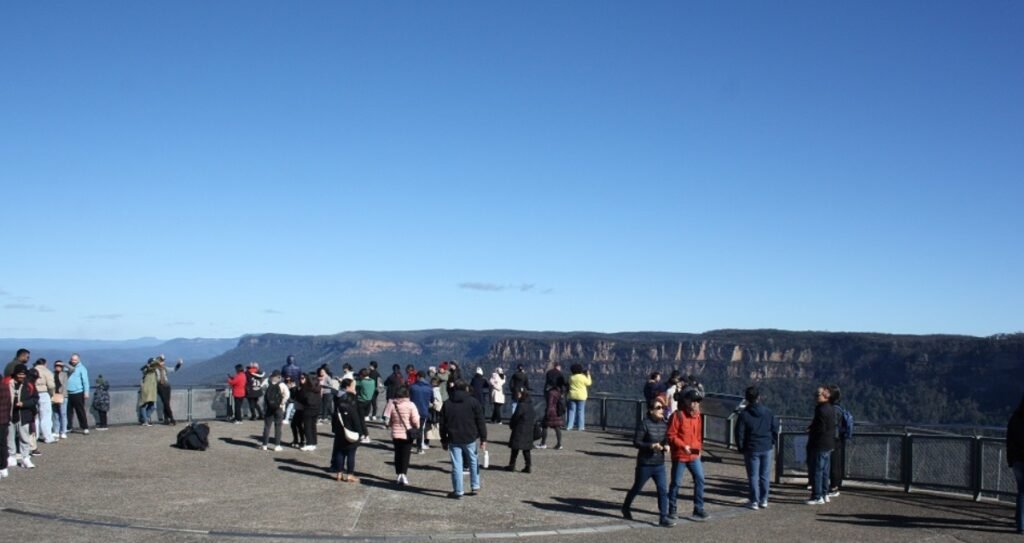
Armidale can feel like four different places in one year. One minute you’re basking in warm sunshine, the next you’re shivering in a frost. If you’re planning a visit, a move, or just curious, you need a clear picture of what the sky does up here.
In this guide, we break down the climate, the seasons, the odd weather events, and what it all means for daily life. By the end, you’ll know when to pack a sweater, when to bring sunscreen, and how climate change might shift the picture.
Table of Contents
- 1. Armidale’s Climate Overview
- 2. Seasonal Weather Patterns
- 3. Common Weather Phenomena
- 4. How the Weather Affects Daily Life
- 5. Climate Change and Armidale Weather
- Frequently Asked Questions
- Conclusion
1. Armidale’s Climate Overview
Armidale sits about 980 m above sea level on the New England Plateau. That height makes the air cooler than the coast and gives the town a distinct four‑season feel. According to Wikipedia, the average high in summer peaks around 27 °C (80 °F) while winter lows can drop to -2 °C (28 °F). The town enjoys clear skies for much of the year, but summer brings most of the rain.
Temperatures swing a lot between day and night. Summer days often top 25 °C, yet evenings can dip below 15 °C. In winter, sunny afternoons might reach 10 °C, but mornings are frequently below freezing. This range is why locals keep both a light jacket and a sun hat handy.
“The weather here changes faster than a train timetable. You never know what you’ll get next hour.”
Rainfall averages about 788 mm annually, with the wettest months being December through February. Even then, a “wet day” only means a 25 % chance of measurable rain. The driest stretch runs from March to October, giving plenty of clear, crisp days for outdoor activities.
Key Takeaway: Armidale’s climate is cool‑temperate, with warm summers, cold winters, and most rain falling in the summer months.
Wind is another piece of the puzzle. The prevailing breeze comes from the west for most of the year, picking up speed in September (about 8.4 mph on average). Calm periods occur from March to early June, giving gentle afternoons perfect for picnics.
Pro Tip: Pack a layered wardrobe, a breathable shirt for summer, a fleece for evenings, and a waterproof shell for the occasional summer thunderstorm.
Bottom line: Armidale’s climate blends warm, relatively dry summers with cold, clear winters, and modest wind that shifts with the seasons.
2. Seasonal Weather Patterns
Spring (September‑November) feels like a fresh start. Days warm quickly, often reaching 20 °C (68 °F) by late October. Nights stay cool, and you’ll see a mix of sunshine and occasional rain showers. Fog can linger in the mornings, especially in valleys, but it usually clears by mid‑morning.
Summer (December‑February) brings the most sunshine of the year. Average highs sit around 27 °C (81 °F), and the sky is mostly clear. Thunderstorms pop up about once a week, delivering brief but heavy rain. This is also the peak time for hail, though most hailstones are the size of peas.
Autumn (March‑May) is often called the best time to visit. Temperatures stay pleasant, highs around 18‑22 °C (64‑72 °F), and rain becomes sporadic. The foliage turns gold and red, making the surrounding hills a photographer’s dream.
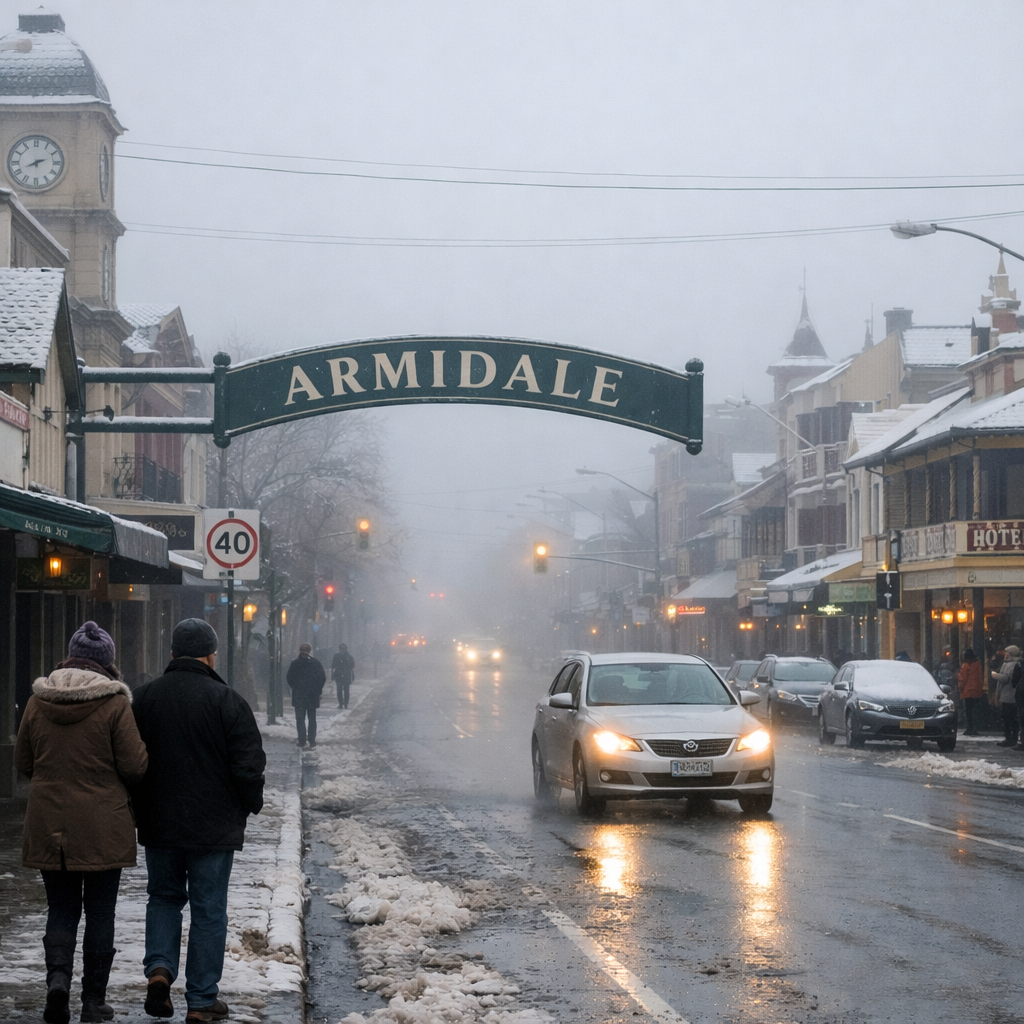
Winter (June‑August) is cold and bright. Daytime highs hover near 10 °C (50 °F), while nights can drop -2 °C (28 °F). Frost is common, and snow flurries have been recorded a few times a decade. Clear skies dominate, giving long, crisp days despite the chill.
78%of September days are clear or partly cloudy
Travellers love the shoulder seasons. If you’re planning a road trip, spring’s wildflowers and autumn’s colours make the drive unforgettable.
Sydney to Armidale Roadtrip, NSW Roadtrips
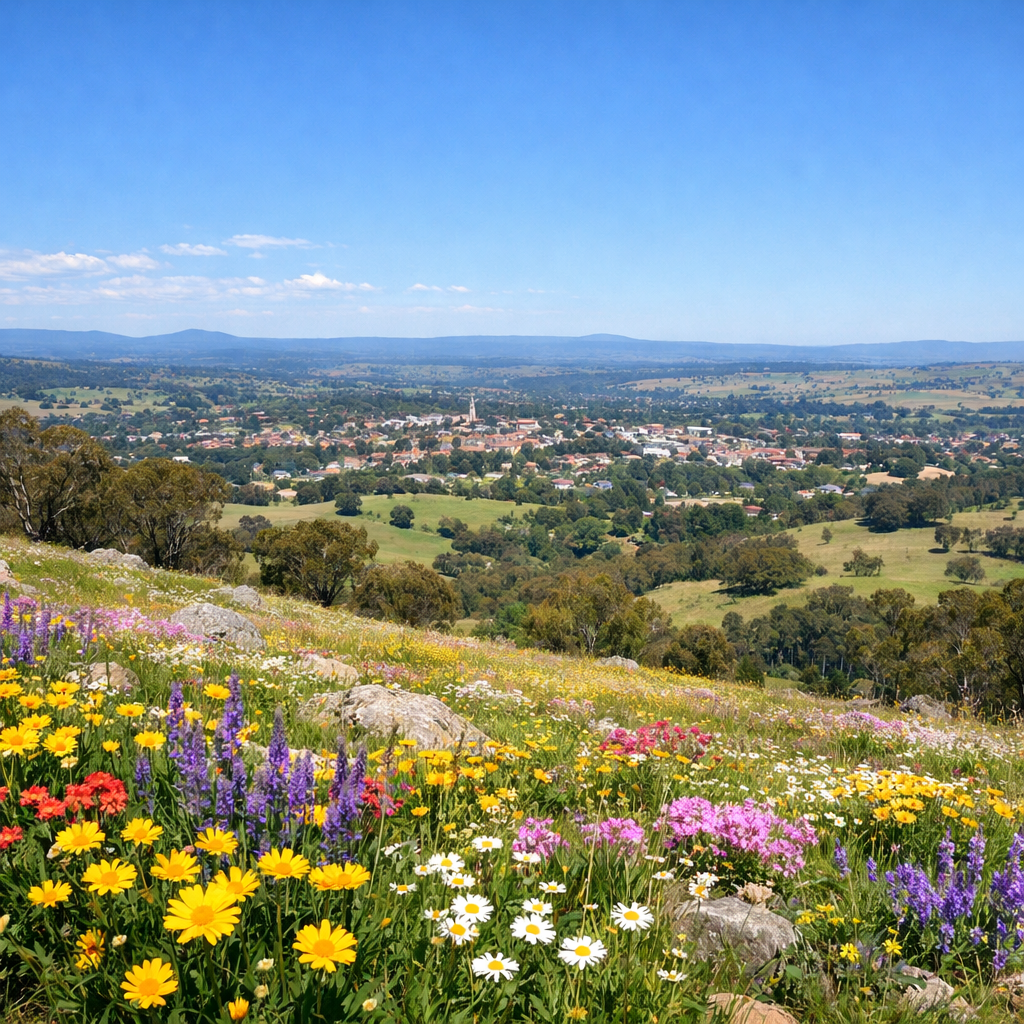
When the road opens in spring, you’ll see the landscape burst into life. The New England Highway winds past rolling hills, and the cool air makes coffee stops feel extra cozy.
 Winter travellers should expect brisk mornings. A hot drink at a local café can be a lifesaver while the sun climbs higher.
Bottom line: Each season offers a distinct weather vibe, so choose your visit time based on the activities you enjoy.
3. Common Weather Phenomena
Thunderstorms are the headline event each summer. Armidale averages 56 thunderstorms per year, but only about seven per cent produce hail. When hail does fall, it can be the size of a golf ball, as seen in the 1996 and 2017 events.
The 1996 hailstorm was the worst on record. Giant hailstones up to 80 mm (cricket‑ball size) hammered the city, breaking windows and damaging roofs. The storm produced wind gusts up to 156 km/h at the airport.
While hail is rare, the area does see occasional snow. Snowfall days average 2.1 per year, usually light dustings that melt quickly. Frost is far more common; the town sees an average of 35 frost days annually.
Fog can be a morning nuisance, especially in winter. It forms in the valley as cold air settles, then lifts once the sun warms the ground. The National Weather Service advises drivers to use low‑beam headlights and reduce speed when visibility drops below 200 m.
Heatwaves are uncommon. The hottest day on record barely crossed 35 °C (95 °F), and that happened only 13 times a year on average. This makes summer feel comfortable compared with many inland Australian towns.
Pro Tip: Keep a sturdy roof cover handy during summer thunderstorms; it can protect patio furniture from sudden hail.
According to Wikipedia, thunderstorms form when warm, moist air rises quickly, creating strong updrafts that can freeze water droplets into hail.
Bottom line: Armidale sees summer thunderstorms with occasional hail, light snow in winter, frequent frost, and fog that can affect driving.
4. How the Weather Affects Daily Life
Morning frost means gardeners often wait until the sun is higher to plant seedlings. In winter, many locals add extra insulation to older weatherboard homes to keep heating bills down. A recent community article notes that ceiling insulation can cut winter heat loss by up to 30 %.
Farmers watch the rain calendar closely. Summer rains feed the grazing lands, while the dry season can stress wheat crops. When a summer thunderstorm hits, it can provide a sudden boost of water that saves a field from drought stress.
Top Armidale NSW Accommodation Options for 2026
Visitors planning outdoor activities should check the forecast for fog. The U.S. National Weather Service recommends using fog lights, slowing down, and keeping a larger distance from the car ahead to stay safe.
In town, the occasional hail can dent cars and break windows. Local businesses keep spare panes on hand for quick repairs during the hail season.
 Key Takeaway:
Weather shapes everything from farming schedules to home heating, and visitors need to plan activities around seasonal quirks.
When the wind picks up in September, kite‑flying festivals pop up along the Dumaresq River. The breezy conditions also make it a prime time for wind‑powered events.
Pro Tip: If you’re staying in an older home, add under‑floor insulation; it can lower winter heat loss by up to 35 %.
Bottom line: Armidale’s weather influences agriculture, tourism, and everyday chores, so adapting to the climate makes life smoother.
5. Climate Change and Armidale Weather
Long‑term data show a subtle warming trend. Over the past three decades, average summer highs have risen by about 0.5 °C, and winter lows have become a degree warmer. These shifts are small but noticeable in a place where frost and snow are part of the identity.
Rainfall patterns are also changing. While total annual rain remains near 788 mm, the distribution is moving toward more intense downpours in summer and drier spells in autumn. This could increase the risk of flash flooding in low‑lying areas.
Heat‑related stress on crops is a growing concern. Wheat varieties that once thrived may need new breeding programs to handle higher temperatures and altered rainfall.
According to the Bureau of Meteorology, the region’s climate normals are updated every ten years, and the latest set shows the warming trend continuing.
+0.5°Crise in average summer high since 1990
Local councils are responding by improving stormwater infrastructure and encouraging water‑wise gardening. Residents are also being advised to upgrade home insulation to cope with milder winters and hotter summer nights.
Key Takeaway: Climate change is nudging Armidale toward hotter summers and altered rain patterns, affecting agriculture and daily life.
Bottom line: While the changes are gradual, they are reshaping the climate profile of Armidale and prompting community adaptation.
Frequently Asked Questions
What are the average summer temperatures in Armidale?
Summer highs usually sit around 27 °C (81 °F) and lows near 13 °C (55 °F). Heatwaves are rare, with only a handful of days exceeding 30 °C each year. The warm season lasts roughly 3.8 months, from late November to mid‑March, making it a comfortable time for outdoor activities.
When does Armidale experience the most rainfall?
The wettest period runs from late October to early March. December tops the list, averaging about 10.6 days with measurable rain. Even then, a “wet day” often means just a brief shower, not a full‑blown downpour.
How often does hail occur in Armidale?
Out of an average of 56 thunderstorms per year, only about seven per cent produce hail. The most severe hailstorms happened in 1996, 2000, 2006, and 2017, with hailstones up to 80 mm in diameter. Most hail events are small and cause minimal damage.
Is snow common in Armidale?
Snow is rare but not unheard of. The town records an average of 2.1 snowfall days per year, usually light dustings that melt quickly. Frost, however, is common, about 35 days a year, and temperatures dip below freezing.
What should travellers pack for a winter visit?
Layered clothing is essential. Bring a warm coat, a hat, gloves, and insulated footwear. A waterproof jacket helps with occasional rain or sleet. Don’t forget sunscreen; the high altitude gives a stronger UV punch even on cold days.
How does climate change affect farming around Armidale?
Warmer winters and hotter summers can stress wheat and barley crops. Changes in rainfall timing mean farmers may face more intense summer storms and longer dry spells in autumn. Adaptation measures include drought‑tolerant crop varieties and improved irrigation efficiency.
Are there any safety tips for driving in fog?
Yes. Use low‑beam headlights, keep a safe following distance, and avoid sudden braking. The National Weather Service advises pulling over safely if visibility drops below 50 m. Staying alert can prevent accidents on the winding mountain roads.
Where can I find up‑to‑date weather forecasts for Armidale?
The Bureau of Meteorology provides the most reliable forecasts. Their site offers hourly updates, radar images, and seasonal outlooks. For short‑term trips, checking the latest forecast the night before you travel ensures you pack the right gear.
Conclusion
Armidale’s weather is a mix of clear, cool winters and warm, mostly dry summers, with spring and autumn offering the most comfortable conditions. Seasonal shifts bring everything from frost to occasional hail, and climate change is nudging the region toward slightly hotter summers and altered rain patterns.
Understanding these patterns helps you plan trips, protect your home, and stay safe on the road. For more on travelling through New England’s valleys, check out our Sydney to Armidale Road trip guide. Happy exploring!
Key Takeaway: Summer is warm and dry, autumn and spring are mild with colourful foliage, and winter is cold but bright.
Related Content on the Website:
Armidale Weather: A Complete Climate Guide
Armidale can feel like four different places in one year. One minute you’re basking in…
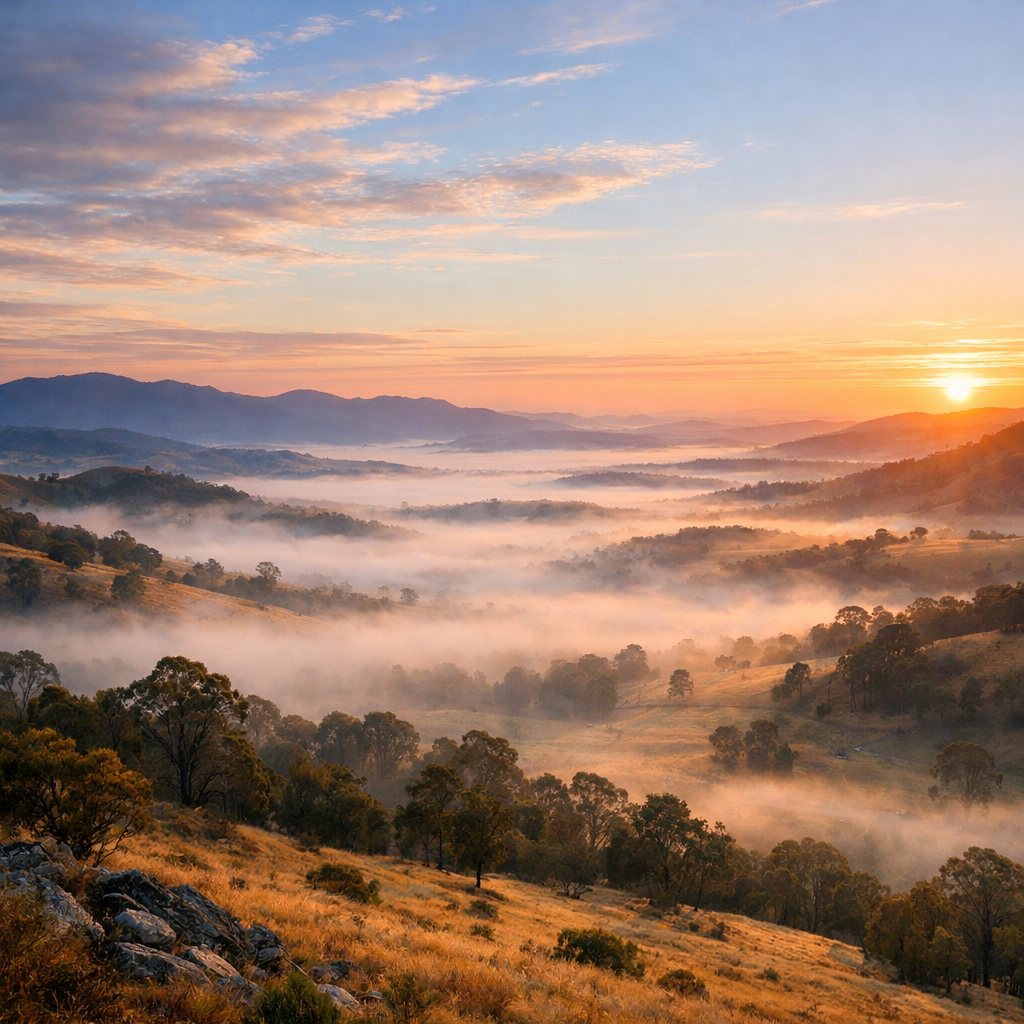
New England region NSW: A Complete Visitor’s Guide 2026
New England region, NSW, looks like a place out of a storybook, yet most travel…
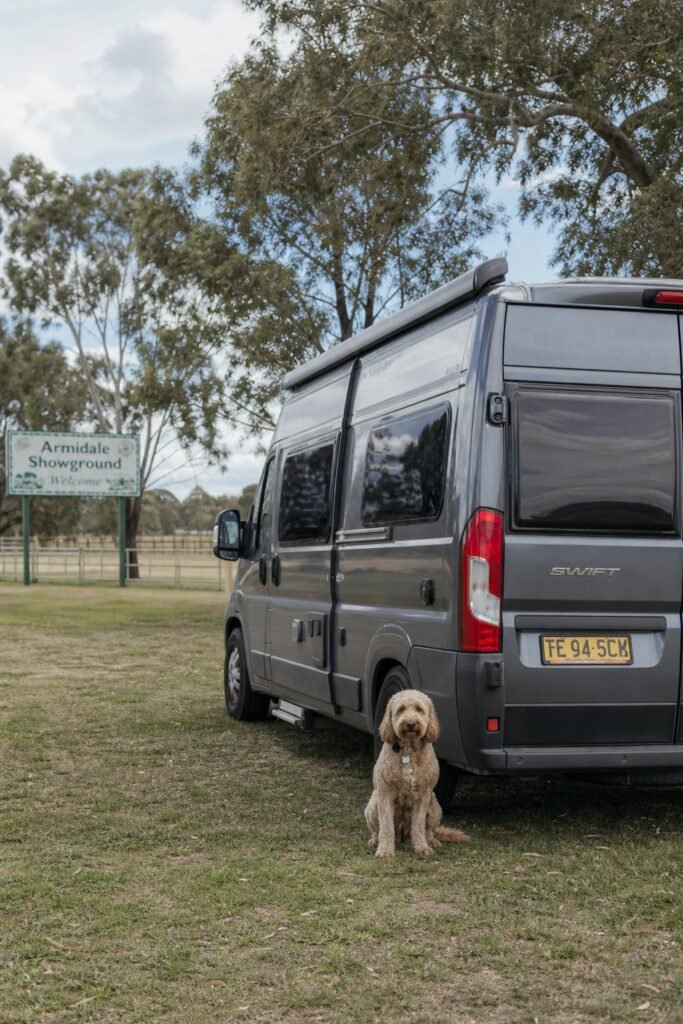
Armidale Camping Guide: Best Spots & Tips for 2026
Hey mates, ready to swap the city buzz for some crisp mountain air? We’re about…
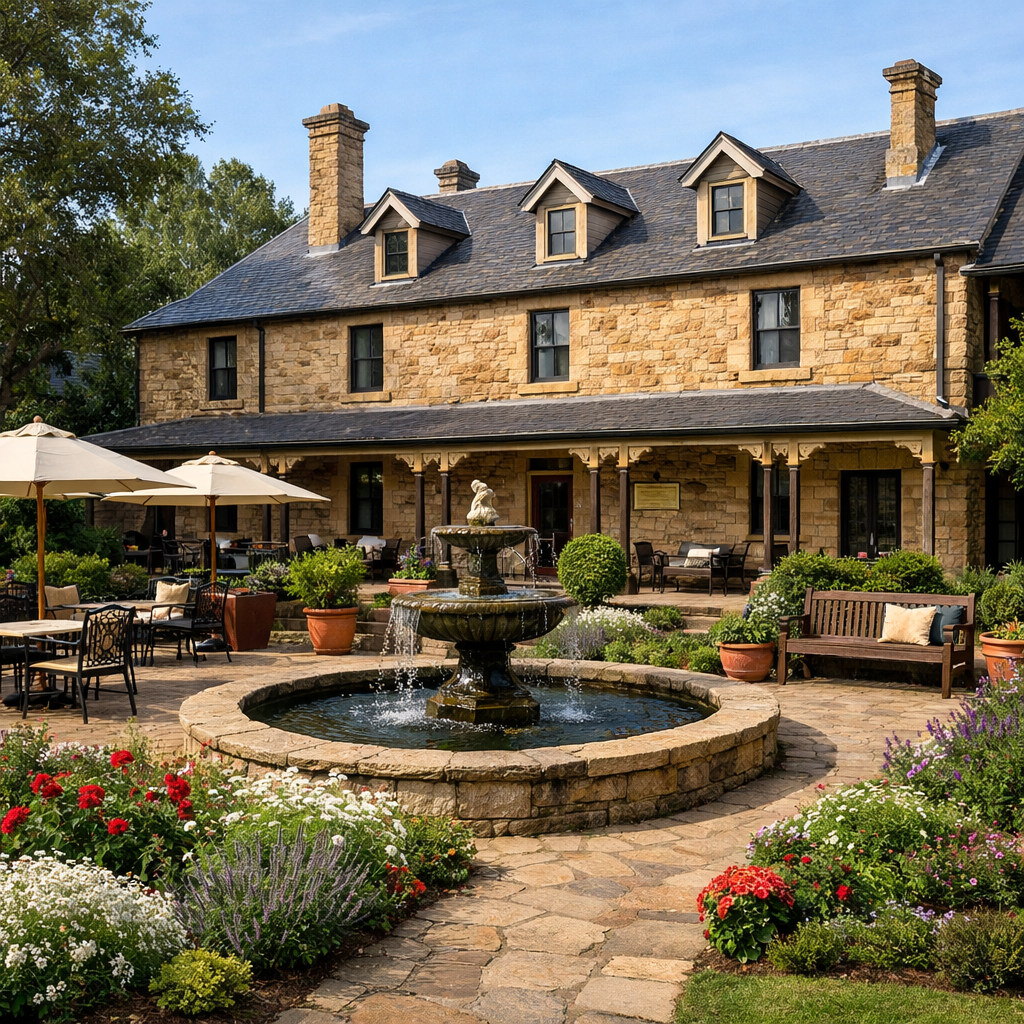
Top Armidale NSW Accommodation Options for 2026
Looking for a place to stay in Armidale? The right spot can make your trip…