New England region, NSW, looks like a place out of a storybook, yet most travel guides skip the hard facts you need to plan a real trip. In this guide, we’ll walk you through the land, the towns, the jobs that keep it alive, its past and the things you can do there. By the end, you’ll have a clear picture of what to pack, where to stay and how to make the most of every kilometre.
Ready? Let’s jump in.
Table of Contents
- Geography and Climate of the New England region, NSW
- Major Towns and Cities in the New England region, NSW
- Economy and Industry in the New England region, NSW
- History and Heritage of the New England region, NSW
- Tourism and Top Attractions in the New England region, NSW
- Frequently Asked Questions About the New England region, NSW
- Conclusion
Geography and Climate of the New England region, NSW
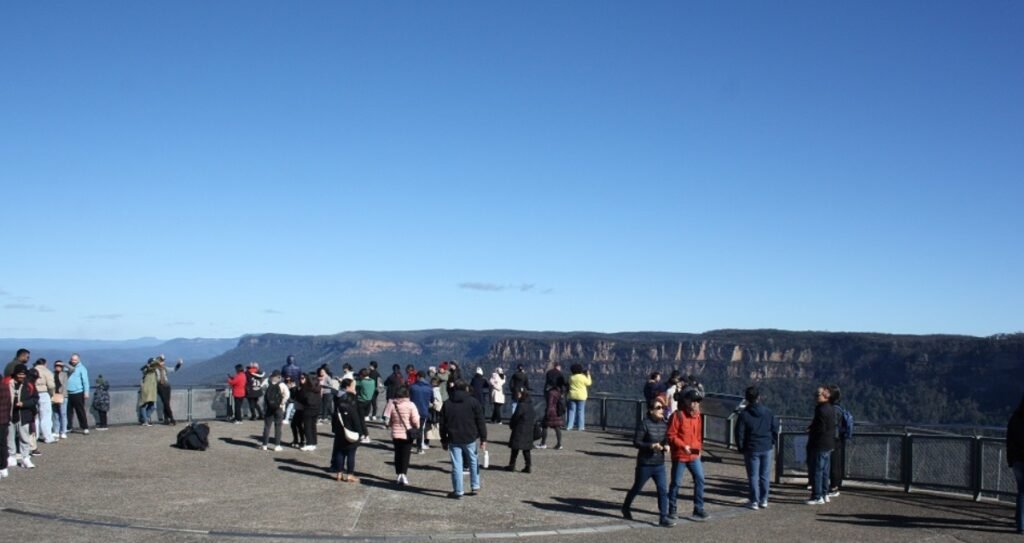
The New England region of NSW sits on the Northern Tablelands, a broad plateau that lifts you a good few hundred metres above sea level. That height means the air feels crisp and the views stretch for miles. You’ll see rolling grasslands, deep gorges and pockets of ancient rainforest that belong to the Gondwana World Heritage Area.
Rainfall comes mainly in spring and summer, while winters can bring frost to the higher spots. Because of the altitude, summer temps are milder than down on the coast, think 20‑25°C instead of 30°C. Winter nights can dip below 0°C, especially in places like Armidale.
When you drive along the Great Escarpment, you’ll spot snow gum forests dotted with bright rosellas. Those trees thrive on the well‑drained soils that the plateau offers.
One of the best ways to feel the climate is to visit New England National Park. The park’s own page notes that you can walk from easy 200 m strolls to multi‑day hikes in pristine wilderness. New England National Park information gives a clear picture of what to expect in terms of weather and terrain.
Pro Tip: Pack a light waterproof jacket even in summer, mountain weather can change fast.
The region’s climate also shapes its agriculture. Cooler nights help wheat and barley mature slowly, giving a richer grain. The same conditions aid fruit growers in the valleys.
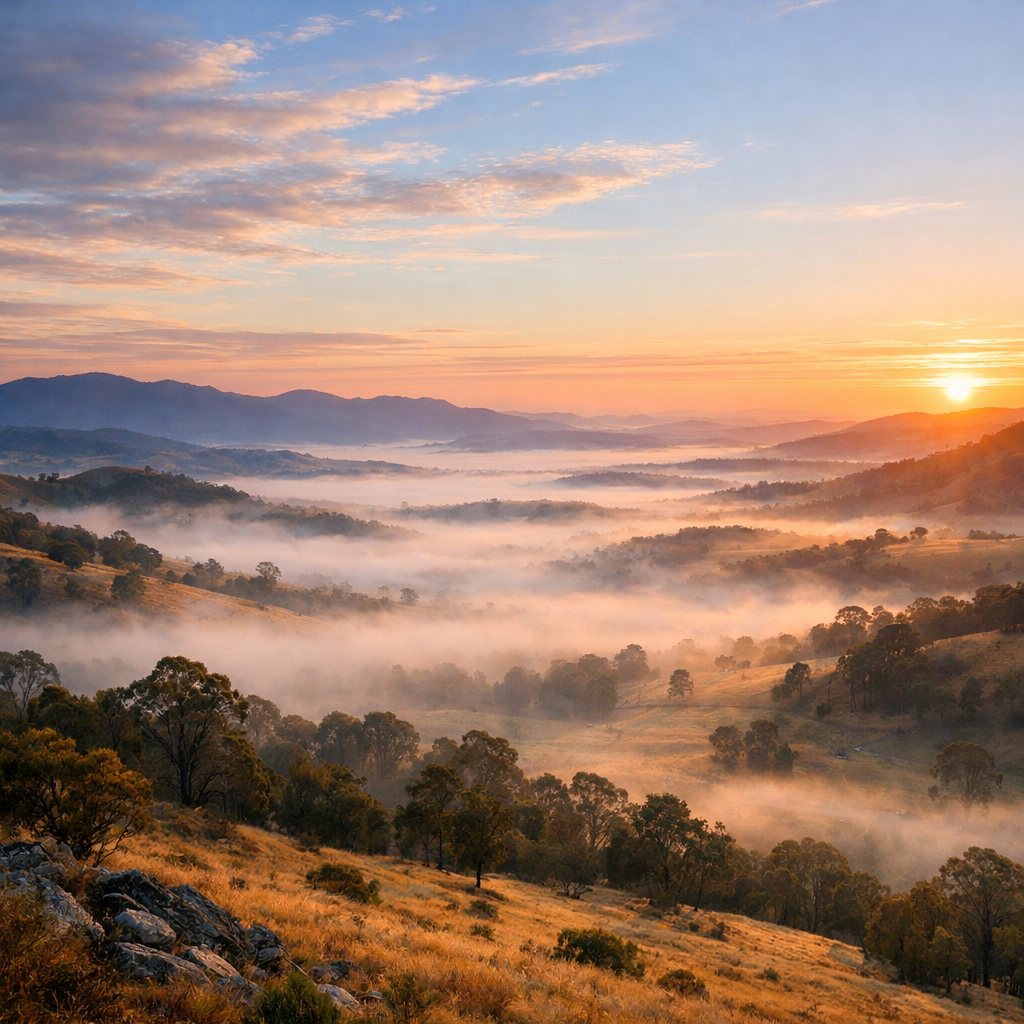
And if you love sunrises, head to a high‑point lookout. The sun rises over valleys that stretch all the way to the coast, a sight you’ll remember.
Key Takeaway: High altitude brings cool, changeable weather and spectacular views across the New England region of NSW.
Bottom line: The geography gives the New England region of NSW its cool climate, stunning scenery and a mix of forest and farmland.
Major Towns and Cities in the New England region, NSW
The New England region of NSW is home to a string of lively towns, each with its own flavour. Armidale is the biggest city‑like hub, known for its university and heritage buildings. Glen Innes lives up to its nickname “Celtic City” with stone circles and a strong Irish vibe.
Inverell, called the Sapphire City, sits by a large lake and offers gem‑mining tours. Moree is famous for its artesian hot springs, a perfect spot to unwind after a long drive.
Other key centres include Tamworth, the country‑music capital, and Narrabri, a grain‑processing stronghold. Tenterfield sits on the edge of the Great Dividing Range and has a rich colonial history.





According to Destination NSW statistics, the region draws 3.2 million visitors who spend a total of $1.2 billion. That economic boost spreads across the towns, from cafés in Armidale to boutique shops in Glen Innes.
Below is a quick guide to what each town offers travellers.
| Town Highlight Best for: | ||
| Armidale | University, historic buildings | Culture lovers |
| Glen Innes | Celtic stones, festivals | History buffs |
| Inverell | Sapphire mining | Adventure seekers |
| Moree | Artesian hot springs | Relaxation |
| Tamworth | Country music | Live music fans |
| Narrabri | Grain processing | Food & agri tours |
| Tenterfield | Heritage sites | History tours |
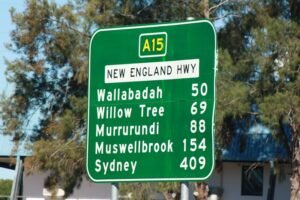
Pro Tip: Use the New England Highway for the most scenic drives between towns.
And if you’re planning a road trip, you’ll love the Sydney to Armidale Roadtrip guide on OzAsiaTraveller, which maps out stops, fuel points and budget tips.
Key Takeaway: Each town in the New England region of NSW brings a unique slice of life, from music to mineral springs.
Bottom line: The mix of towns gives you plenty of options for culture, nature and relaxation.
Economy and Industry in the New England region, NSW
The New England region of NSW is a powerhouse for primary industries. Fertile soils on the tablelands produce a fifth of NSW’s crops, many of which head to Asian markets. Wheat, barley, cotton and a range of pulses grow here thanks to the climate we just covered.
Agribusiness isn’t the only strong sector. The region also hosts a growing renewable‑energy hub. A solar farm near Moree supplies clean power, and plans are afoot for wind farms on the plateau.
Invest Regional NSW highlights that the Moree Special Activation Precinct will link grain, pulse and cotton production with new rail routes and highways, making export easier. Invest Regional data shows the area’s strategic location between Sydney and Brisbane boosts its market reach.
Mining still plays a role, especially coal in the Gunnedah basin and sapphires around Inverell. These resources add diversity to the local economy.
“The New England and North West region is one of Australia’s primary‑industry epicentres,” says the regional development office.
Education fuels the economy, too. The University of New England in Armidale drives research in agriculture, genetics and renewable tech. That knowledge feeds into local firms and attracts talent.
And tourism adds another layer. Visitors spend on accommodation, food and tours, which helps small towns stay vibrant.
Pro Tip: When you visit a farm, ask about their sustainable practices; many are trialling water‑saving tech.
For a deeper look at where to stay while you explore, check out the Top Armidale NSW Accommodation guide. It lists budget‑friendly rooms, boutique stays and family‑friendly options.
Key Takeaway: A strong mix of farming, energy and education drives the New England region of NSW’s economy.
Bottom line: The region’s industries give it resilience and many reasons to visit.
History and Heritage of the New England region, NSW
The story of the New England region of NSW begins long before the first European settlers. The Anaiwan people lived on the tablelands for thousands of years, hunting, gathering and caring for the land.
When settlers arrived in the 1800s, they brought sheep and wheat. That brought conflict, land was taken, and the Anaiwan faced violence and disease. Yet they also showed fierce resistance, keeping cultural practices alive even under pressure.
Recent research from the State Library of NSW sheds light on that complex past. State Library’s study tells how the Anaiwan survived, adapted and kept their stories alive.
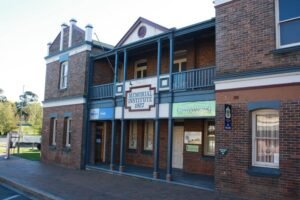
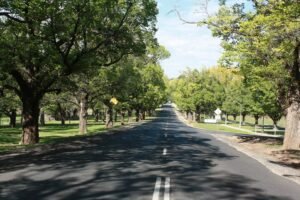
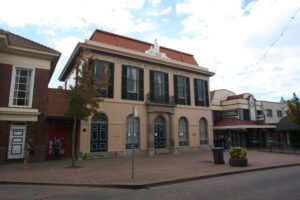
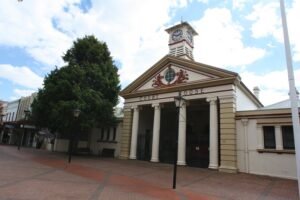
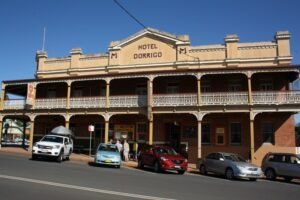
Colonial towns grew around the new farms. Armidale was founded in the 1840s and soon became a centre for education and trade. The railway arrived in the late 1800s, linking the high country to coastal ports.
Heritage sites dot the landscape. The Old Glen Innes Road still shows the original stock route, while the heritage hotel in Tamworth tells a tale of early 20th‑century hospitality.
Preserving this history matters. Museums in Armidale and the Aboriginal Cultural Centre showcase artefacts, art and oral histories.
Pro Tip: Stop by the Aboriginal Cultural Centre in Armidale for a guided story session; it adds depth to any visit.
And if you love walking history, the Green Gully Track offers a four‑day trek that combines wilderness with heritage sites. It’s the only listed activity that gives a clear cost ($900) and duration, highlighting how most guides miss such details.
Key Takeaway: The New England region of NSW blends ancient Aboriginal heritage with colonial stories, many of which you can still see today.
Bottom line: Understanding the past makes the landscape richer and your visit more meaningful.
Tourism and Top Attractions in the New England region, NSW
Travellers come to the New England region, NSW for its mix of nature, culture and food. Here are the top picks you won’t want to miss.
First, the national parks. Oxley Wild Rivers offers dramatic gorges, waterfalls and the famous Dangars Gorge. A hike to the lookout gives a view that stretches to the horizon, perfect for a sunrise photo.
Next, the hot springs at Moree. The artesian baths are warm year‑round and are said to soothe sore muscles after a long bike ride. The town also has a vibrant market on Saturdays.
If you love wine, head to the cool‑climate vineyards around Armidale and Glen Innes. Tasting rooms serve up Shiraz, Pinot Noir and even cool‑climate Riesling.
For a taste of music, the Tamworth Country Music Festival in January draws crowds from across the nation. Even outside the festival, the city’s live music pubs keep the rhythm alive.
Adventure seekers can try the Piney mountain‑bike trail in Armidale State Forest. The 15 km track winds through pine stands and offers both easy sections and challenging climbs.
Family travellers will enjoy Warrabah National Park. It has gentle walks, picnic spots and a chance to see platypus in the creek.
“The best time to start building memories in New England is now,” says a local guide.
When you need a place to rest, the Sydney to Armidale road‑trip guide lists budget‑friendly motels, boutique hotels and glamping sites that fit any itinerary.
Pro Tip: Book a campsite inside a national park early; they fill up fast in summer.
Key Takeaway: The New England region of NSW offers a blend of outdoor thrills, relaxing spas and cultural experiences.
Bottom line: From parks to pubs, the region has something for every traveller.
Frequently Asked Questions About the New England region, NSW
What is the best time of year to visit the New England region in NSW?
The sweet spot is late spring (October‑November) or early autumn (March‑April). Temperatures are mild, the wildflowers are in bloom, and you avoid the winter frost that can make some roads icy. Pack a light jacket and a hat for sunny mornings.
How long should I spend exploring the New England region in NSW?
Four to five days let you hit the highlights without rushing. Spend two days on the high‑country towns, a day for a national park hike and a final day soaking in the hot springs at Moree. If you love trekking, add an extra night for the Green Gully Track.
Are there family‑friendly activities in the New England region of NSW?
Yes. Warrabah National Park offers easy walks and picnics perfect for kids. The artesian spa in Moree has shallow pools safe for children. Many towns host weekend markets with food stalls and live music that keep the whole family entertained.
What transport options are available within the New England region of NSW?
You can drive the New England Highway; it’s well‑maintained and scenic. Daily flights connect Tamworth and Armidale to Sydney. There are also regional bus services and a rail line that stops at Armidale, Moree and Narrabri, making it easy to hop between towns without a car.
Do I need a permit to camp in the national parks?
Most parks require a simple campsite reservation, which you can book online through the NSW National Parks website. Fees are modest, usually under $10 per night. Bring your own firewood and follow the Leave‑No‑Trace rules.
Where can I find local food and wine experiences?
Armidale’s farmers market on the second Sunday of each month showcases fresh produce, cheeses and breads from the region. Glen Innes and Tenterfield have boutique wineries that offer tastings paired with local cheeses. Don’t miss the coffee scene in Uralla, the latte art competition has put it on the map.
Is the New England region in NSW safe for solo travellers?
Yes. Towns are friendly, and the roads are well‑signposted. Stick to main routes, keep your phone charged and let someone know your itinerary. Many hostels and B&Bs cater to solo guests, offering communal kitchens and shared lounges.
What cultural heritage sites should I visit?
Start with the Armidale Regional Art Museum for Australian impressionist works, then head to the Aboriginal Cultural Centre for art and workshops. In Tenterfield, the historic courthouse and the old railway station tell the story of early settlement.
Conclusion
The New England region of NSW is a patchwork of cool high‑country air, historic towns and vibrant natural spots. You’ve learned how the geography shapes the climate, which in turn fuels a strong agricultural base and a growing renewable‑energy sector. You’ve met the towns that give the region its character, walked through its layered history and spotted the top attractions that make a trip unforgettable.
Use the tips and tables in this guide to map out your own itinerary. And when you’re ready to book, check out OzAsiaTraveller’s road‑trip planner, which helps you lock in routes, budget for fuel and find hidden gems along the way.
Enjoy the journey, and let the highlands of New South Wales add a fresh chapter to your travel story.
Key Takeaway: With cool climate, rich history and diverse attractions, the New England region of NSW is a must‑see for any explorer.