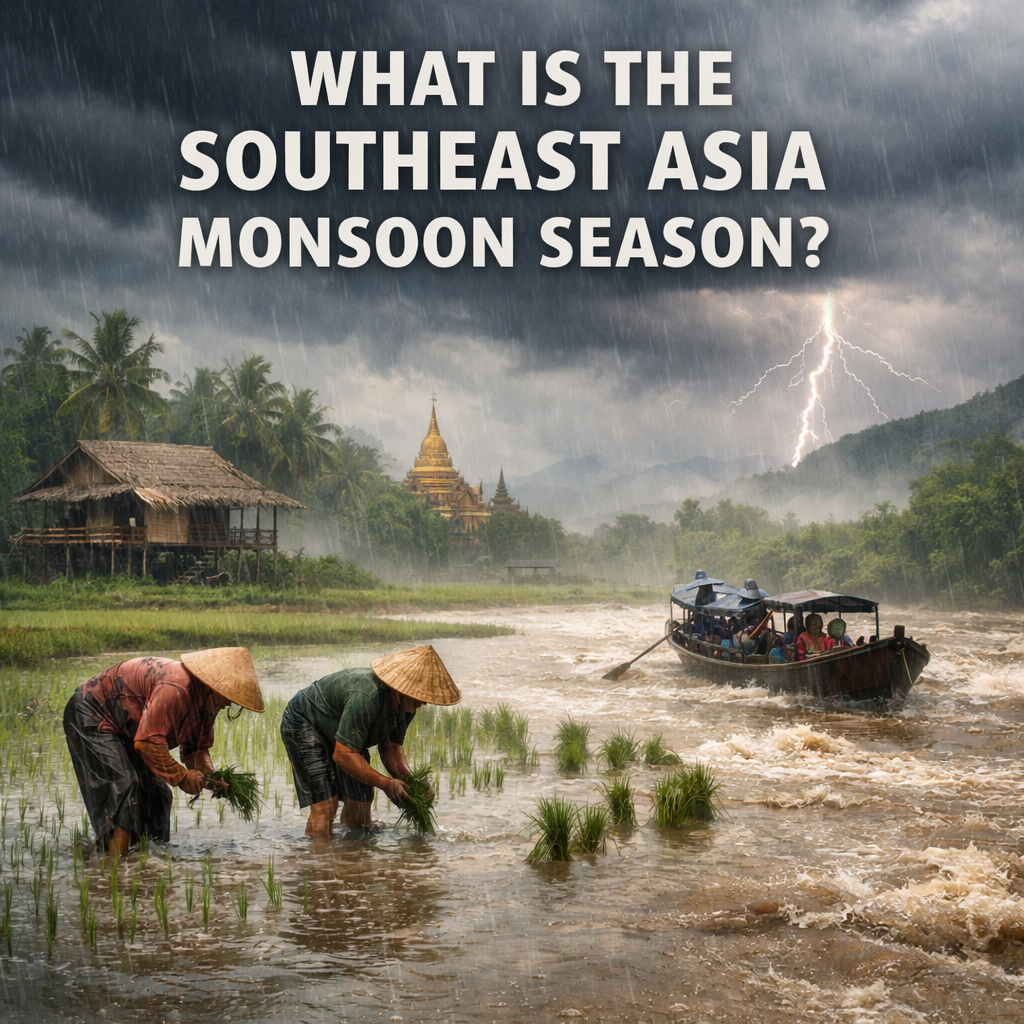
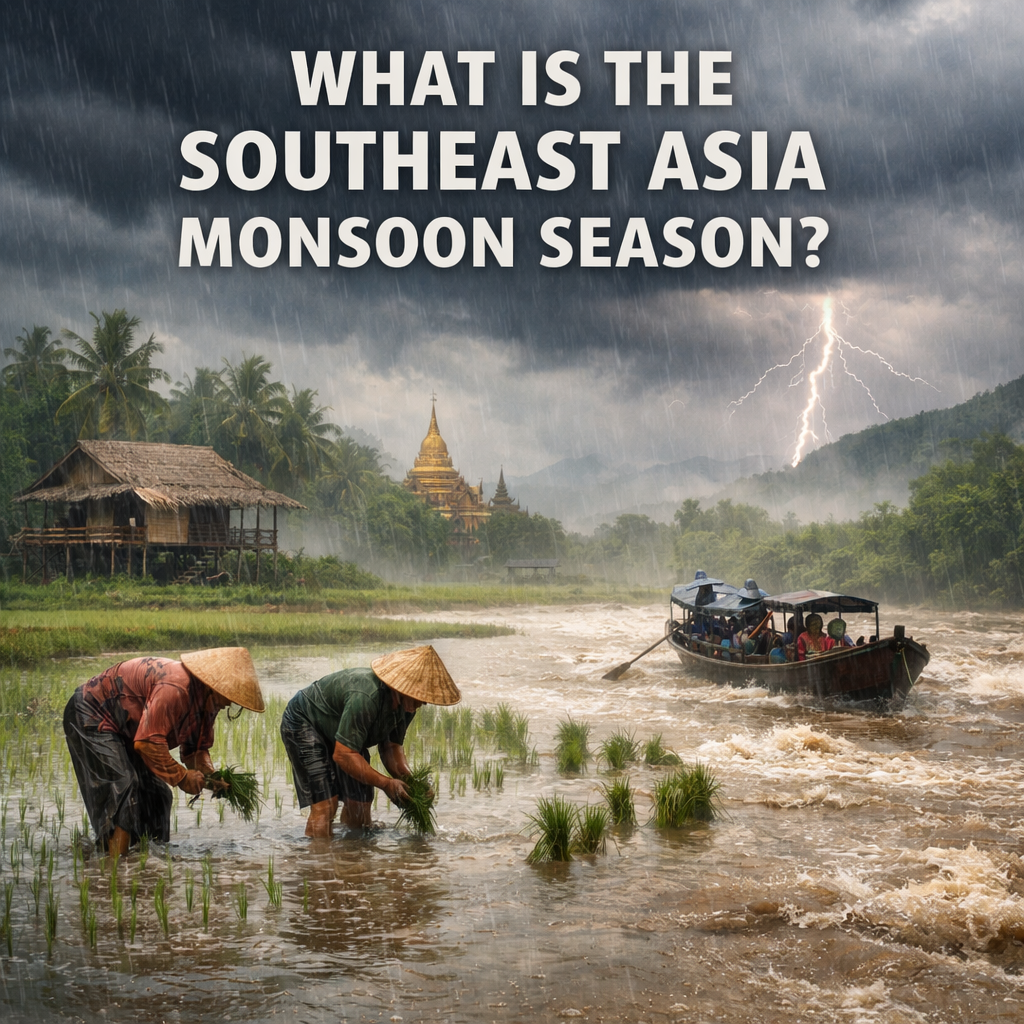
Rain can turn a beach day into a river ride in minutes. That’s the reality of the Southeast Asia monsoon season, and it catches many Aussie travellers off guard. In this guide, we’ll break down what the monsoon really is, how it reshapes weather across the region, why it matters to farms and economies, and how you can stay safe and still enjoy your trip.
Table of Contents
- What Is the Southeast Asia Monsoon Season?
- How the Monsoon Shapes Regional Weather Patterns
- Key Effects on Agriculture and the Economy
- Preparing for the Monsoon: Safety Tips and Travel Advice
- FAQ
- Conclusion
What Is the Southeast Asia Monsoon Season?
The monsoon is a seasonal wind shift that brings heavy rain to parts of Asia. In the north‑east, the wind blows from the continent toward the ocean, pulling moisture inland. In the south‑west, it flips and draws oceanic moisture onto land. That flip creates two distinct rain windows across Southeast Asia.
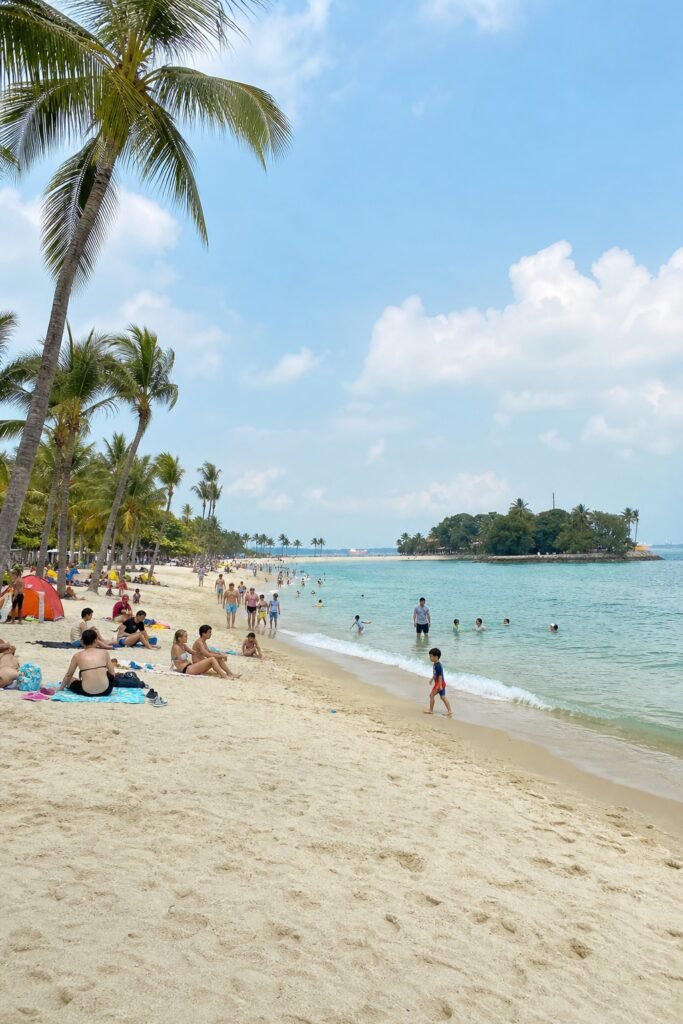
Singapore feels the Northeast Monsoon from November to March. The local weather agency notes that heavy rain warnings are posted on the MSS website during that time (Singapore MSS). Meanwhile, Thailand rides the Southwest monsoon from May through October, a period the U.S. Climate Service lists as the country’s main wet months (Climate.gov). The two patterns don’t line up, so a single trip can cross from dry to drenched as you hop borders.
 Imagine you start in Singapore in December. You’ll see short, intense showers and a humid feel. Then you fly to Bangkok in June, the sky opens up for days, rivers swell, and the landscape turns a deep green. Both places are beautiful, but the timing of your visit changes the vibe dramatically.
Key Takeaway: The monsoon isn’t one block of rain for the whole region; it varies by country and direction of the wind.
Travel planners often miss this split. OzAsiaTraveller highlights the gap, noting that many Australian backpackers assume a single “monsoon season” for all of Southeast Asia. Knowing the exact months for each country lets you pack the right gear and avoid surprise delays.
Bottom line: The Southeast Asia monsoon season consists of two separate wind systems that hit different countries at different times.
How the Monsoon Shapes Regional Weather Patterns
When the monsoon winds arrive, they don’t just bring rain; they stir up storms, floods, and even cyclones. The United Nations reported that a wave of monsoon‑fuelled storms from late 2025 swept across Sri Lanka, Indonesia, Thailand, Malaysia and Vietnam, killing more than 1,600 people and displacing millions (UN News). Those events showed how a stronger monsoon can merge with tropical cyclones to create extreme rainfall.
Warm ocean water fuels the storms. As the sea heats up, more moisture evaporates, and the monsoon clouds grow heavier. In places like southern Thailand, rivers burst their banks and low‑lying coastal towns flood. In Indonesia, landslides follow the relentless downpours, wiping out roads and villages.
These patterns matter for travellers because they affect transport, power and safety. A road that’s fine in the dry season can become a river in a few hours. Flights may be delayed, and ferry schedules can change without warning.
1,600+people killed by monsoon‑linked storms in late 2025
Understanding the timing helps you choose when to travel and how to stay flexible. If you’re heading to Vietnam in November, expect the tail end of the monsoon and be ready for sudden floods. If you’re in the Philippines in July, expect daily afternoon showers but also clear mornings.
Bottom line: Monsoon winds drive heavy rain, floods, and storm systems that can disrupt travel across the region.
Key Effects on Agriculture and the Economy
Farmers rely on monsoon rain to grow rice, the staple food for most of Southeast Asia. The timing of the rains determines planting schedules, harvest dates and overall yields. When the monsoon arrives on schedule, fields flood with water, seedlings sprout, and harvests are plentiful.
But when the rain is erratic, too early, too late, or too intense, crops suffer. Too much water can wash away seedlings; too little can cause drought. The UN report highlighted that over three million people in the region faced food insecurity after the 2025 floods, a direct result of disrupted planting cycles.
Economically, the monsoon fuels tourism in a paradoxical way. The low‑season prices for hotels and tours drop dramatically, offering bargains for budget‑savvy Aussie travellers. However, the same rain can shut down coastal attractions, close national parks, and make inland travel slower.
OzAsiaTraveller sees an opportunity here. The site currently lists monsoon dates but lacks month‑by‑month rainfall data. By adding that detail, the guide could become the go‑to resource for Australians who need precise climate info to plan itineraries.
Pro Tip: Check local market reports or agricultural extensions for up‑to‑date rainfall forecasts before booking a farm‑stay; they often post real‑time data.
Travellers can also support local economies by timing visits to coincide with post‑harvest festivals, when villages celebrate with food, music, and crafts. These events are less crowded and give a genuine cultural glimpse.
Bottom line: The monsoon drives both agricultural cycles and tourism pricing, making timing crucial for both farmers and travellers.
Preparing for the Monsoon: Safety Tips and Travel Advice
Good prep turns a rainy trip into a smooth adventure. First, pack a reliable poncho, waterproof bags, and quick‑dry clothing. The Roaming Renegades guide stresses that a light, packable rain jacket can keep you comfortable during those sudden downpours.
Second, protect your documents. Make photocopies of your passport, visas and insurance papers, and store digital copies in the cloud. A backup plan saves you time if a flood forces you to move quickly.
Third, stay informed. Singapore’s Meteorological Service posts live heavy rain alerts on its website. Thailand’s Department of Disaster Prevention & Mitigation offers real‑time flood maps. Signing up for SMS alerts from local agencies can give you a heads‑up before you head out.
Fourth, plan your routes with flexibility. Choose train or bus lines that have alternate paths, and keep an eye on ferry schedules that may be canceled during high tides.
Here’s a quick safety checklist you can print out:
OzAsiaTraveller recommends a reliable insurance provider; you can compare options on their travel‑insurance guide, Southeast Asia Travel Insurance: Best Providers in 2026. A solid policy can cover medical costs, evacuation and trip interruption caused by floods.
“The rainy season is a magnet for adventure, but only if you’re prepared for the water.”
Finally, remember to stay flexible with your itinerary. If a popular beach is closed, explore inland waterfalls, which are at their fullest during the monsoon.
Key Takeaway: Pack rain gear, backup documents, stay alert to local alerts, and keep insurance handy.
Bottom line: Proper prep and flexible plans let you travel safely and still enjoy the lush monsoon landscape.
FAQ
When does the monsoon start in Singapore?
The Northeast Monsoon usually begins in November and runs through March. During this period, heavy showers are common, especially in the afternoons. Travellers should keep an eye on the Meteorological Service Singapore (MSS) alerts for any sudden changes.
Is it safe to travel to Thailand in July?
July falls squarely in Thailand’s Southwest monsoon. Roads can be slick, and some islands experience higher tides, but most major cities and inland attractions remain open. Pack waterproof gear, check local flood warnings, and consider flexible transport options.
Do I need a special visa for monsoon travel?
No. Visa rules don’t change with the weather. However, some border posts may close temporarily if floods hit a region. Always verify entry requirements and have a backup plan if a crossing is delayed.
How can I keep my electronics dry?
Use zip‑lock bags or a dedicated waterproof case for phones, cameras and chargers. A small dry bag that fits inside your backpack works well. Keep the bag sealed when you’re not using the devices.
What’s the best time for cheap flights during the monsoon?
Travel during the low season, typically May to October for Thailand and November to March for Singapore, often yields cheaper airfares. Booking a few months ahead and being flexible with dates can save you a lot.
Are there any festivals that celebrate the rain?
Yes. The Rocket Festival in Laos and Northern Thailand marks the start of the rainy season. Buddhist Lent (Vassa) is observed across Myanmar, Laos and Thailand during the monsoon months, with many local ceremonies and boat races.
What should I do if a flood blocks my route?
First, stay calm and move to higher ground. Check local news for official evacuation routes. Contact your accommodation for guidance and use your travel insurance helpline if you need assistance. Having a backup itinerary helps you reroute quickly.
Can I still enjoy beaches during the monsoon?
Yes, but plan for early‑morning beach time before afternoon showers. Many beaches are less crowded, and the rain can bring dramatic sunsets. Always watch for strong currents and heed any local warnings.
Conclusion
Understanding the Southeast Asia monsoon season lets you turn rainy days into unforgettable moments. You now know why Singapore and Thailand experience different rain windows, how the monsoon drives agriculture and tourism, and what gear and plans keep you safe. When you’re ready to map out a route, check out OzAsiaTraveller’s Top 7 Southeast Asia Backpacking Routes for 2026 for detailed itineraries that factor in the wet season.
Travel smart, stay flexible, and enjoy the lush green scenery that only the monsoon can bring.