Backpacking in Southeast Asia feels like stepping into a story you can write yourself. The region packs cheap travel, wild parties, quiet temples, and endless beaches into one loop. In this guide you’ll get seven full itineraries, a budget breakdown, packing hacks, visa help, health tips, and timing advice. By the end you’ll know which route fits your time, cash, and vibe, and you’ll have the tools to book it today.
Table of Contents
- Classic Banana Pancake Trail Route
- Off‑the‑Beaten‑Path Route: Myanmar, Laos & More
- Budget Breakdown & Daily Costs by Country
- Packing Essentials for Southeast Asia
- Visa Requirements & Important Documents
- Health and Safety Tips for Backpackers
- Best Time to Visit and Route Planning Tips
- Frequently Asked Questions
- Conclusion
Classic Banana Pancake Trail Route
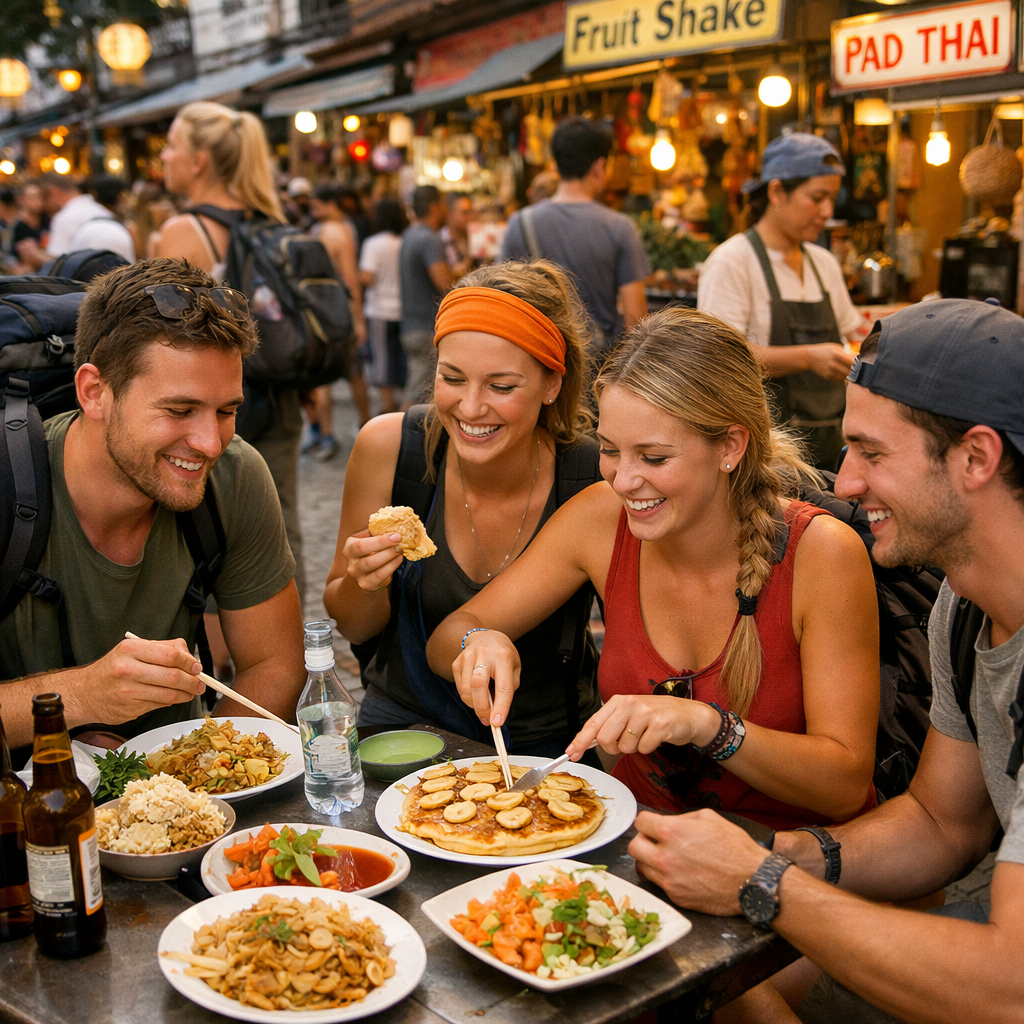
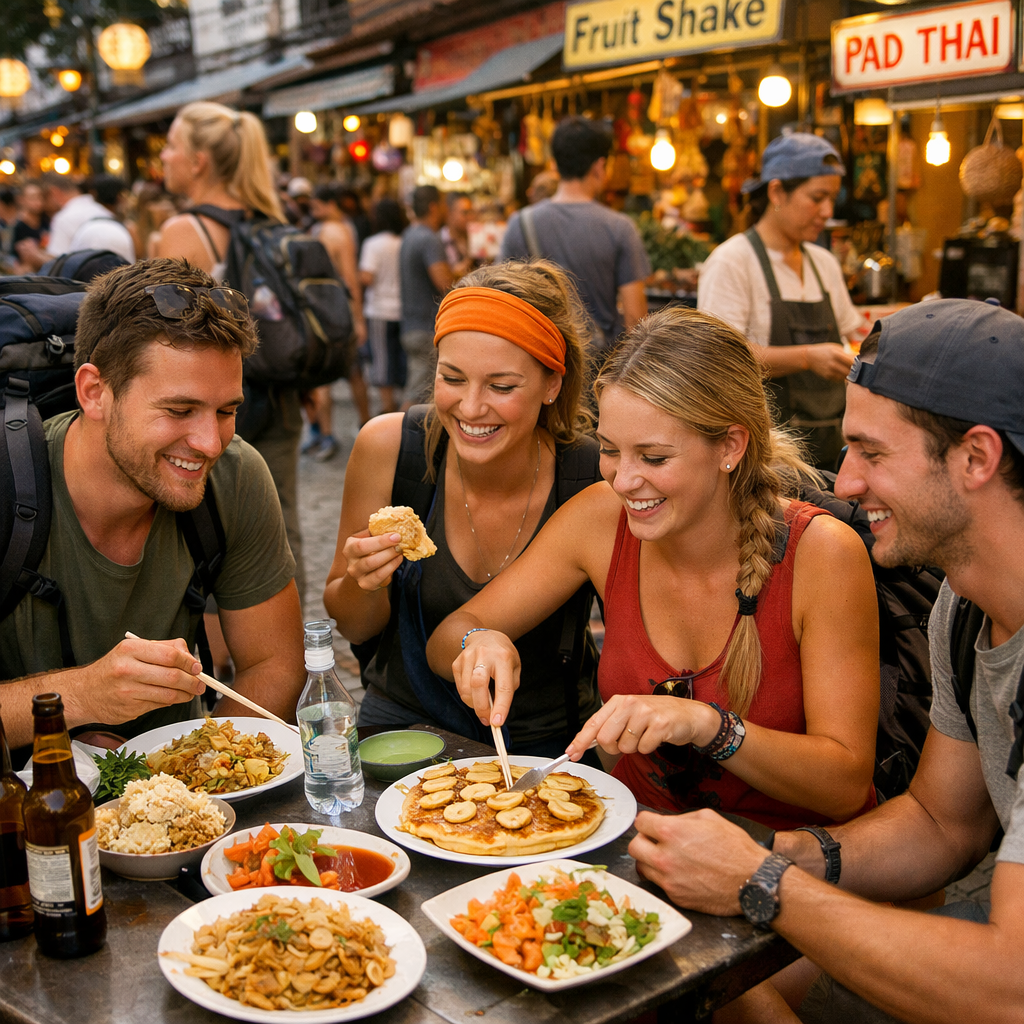
The Banana Pancake Trail is the name many first‑time backpackers hear. It stretches from Bangkok up through Laos, Cambodia, and Vietnam, hitting the most social hostels and nightlife hubs. The classic loop can be done in 28 days, which matches the research that calls it a “starter itinerary” for new travellers. Wikipedia notes the trail got its name from the many stalls that serve fried banana pancakes to tourists.
Start in Bangkok. Spend three days exploring temples, markets, and the river. Grab a train or bus north to Chiang Mai, where you can take a cooking class, rent a scooter, and visit an ethical elephant sanctuary. From Chiang Mai, head east to the small town of Pai, a chill spot with hot springs and mountain views.
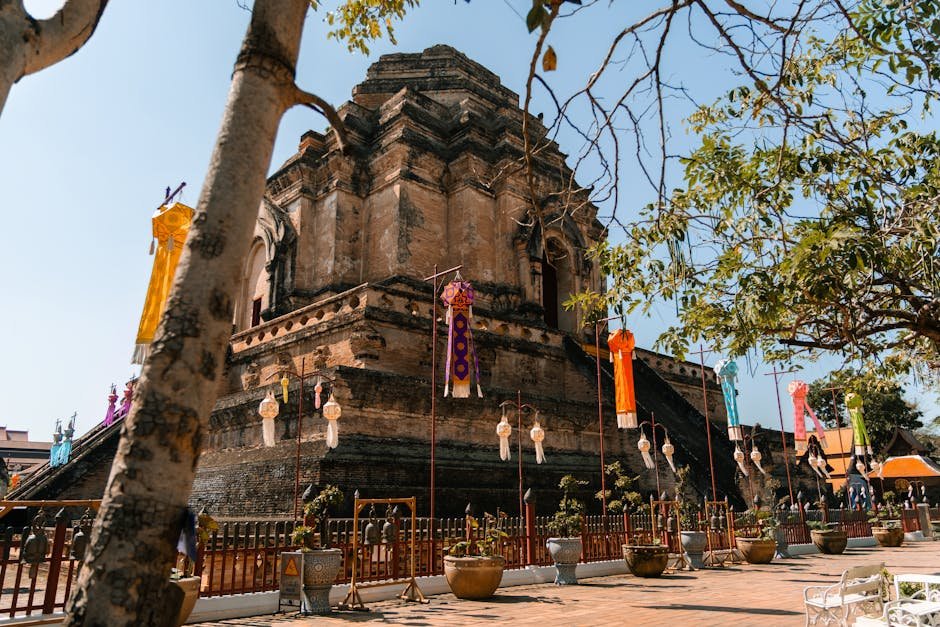
Chiang Mai
Pro Tip: Buy a one‑day bus pass in Chiang Mai. It lets you hop on any city bus for a flat fee, saving both time and money.
Next, cross the border into Laos via the slow boat from Chiang Khong to Huay Xai. The two‑day river ride is a rite of passage and offers a chance to chat with other backpackers. In Luang Prabang, spend a few days at the night market and don’t miss the Kuang Si waterfalls.
Continue south to Vang Vieng for tubing on the Nam Song River, then head to the Four Thousand Islands on the Mekong. This stretch is perfect for relaxing on a hammock while watching freshwater dolphins.
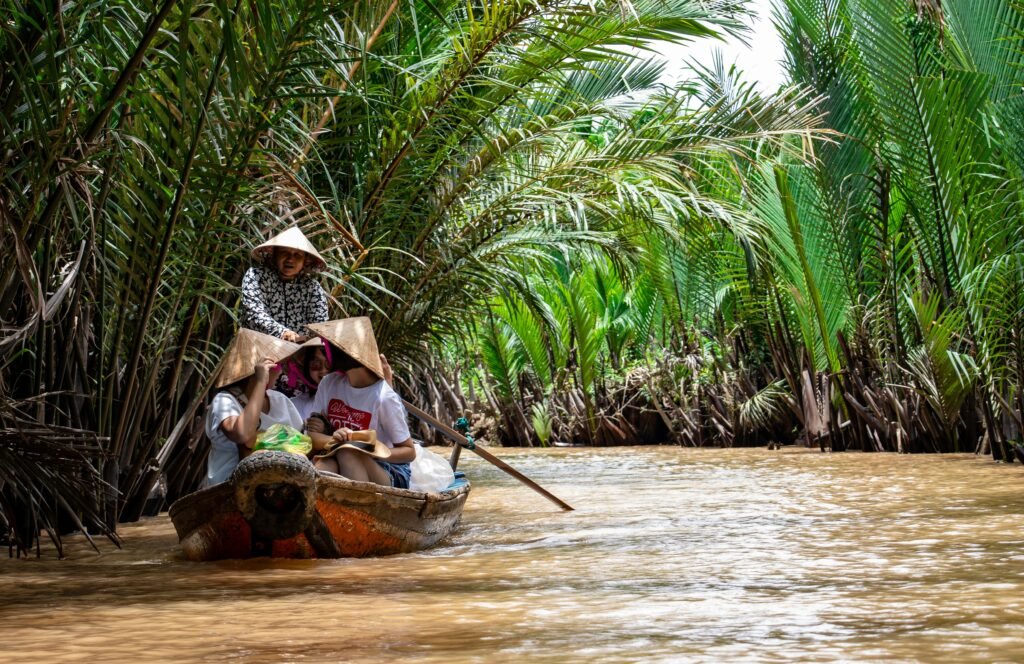
Mekong Delta
Cross into Cambodia at the border near Stung Treng. Siem Reap is your next stop, wake up early for sunrise at Angkor Wat, then rent a bike to explore the temple complex at your own pace. After Angkor, hop to Phnom Penh for a gritty look at the country’s recent history.
Finally, cross into Vietnam at the Moc Bac border. Ho Chi Minh City (Saigon) welcomes you with bustling markets and motorbike traffic. Take a bus up the coast, stopping at Mui Ne, Nha Trang, Da Lat, Hoi An, Hue, and finally Hanoi. End your journey with a cruise through Ha Long Bay.
Key Takeaway: The classic Banana Pancake Trail packs the most social stops into a month‑long loop, making it ideal for first‑time backpackers.
Bottom line: The 28‑day Banana Pancake Trail gives you the biggest party‑scene hits and temple highlights without a long commitment.
 Regenerate
Off‑the‑Beaten‑Path Route: Myanmar, Laos & More
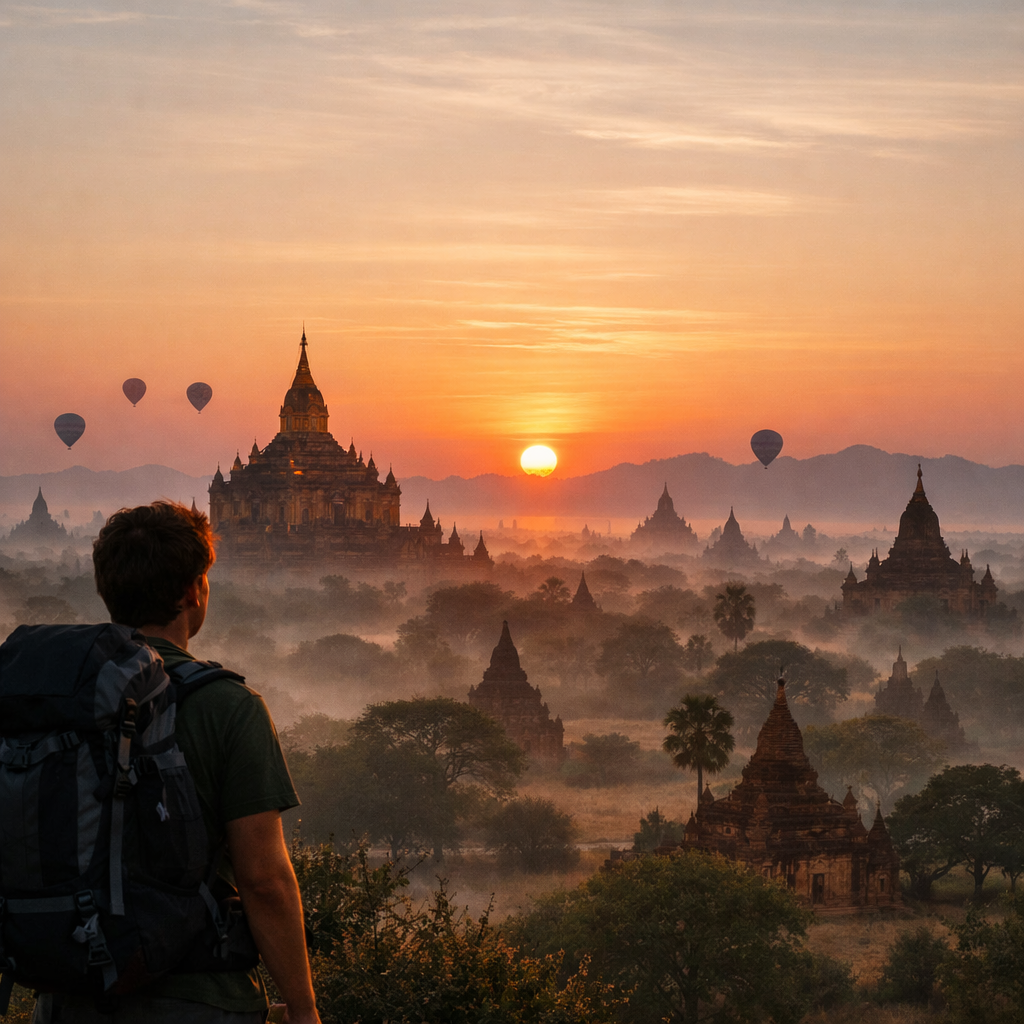
If you want to dodge the crowds, look east to Myanmar and north‑west to Laos. This route adds hidden gems like Bagan’s sunrise, the limestone karsts of Hsipaw, and the remote villages of the Golden Triangle. It stretches 45‑60 days, giving you time to explore without the rush of the classic trail.
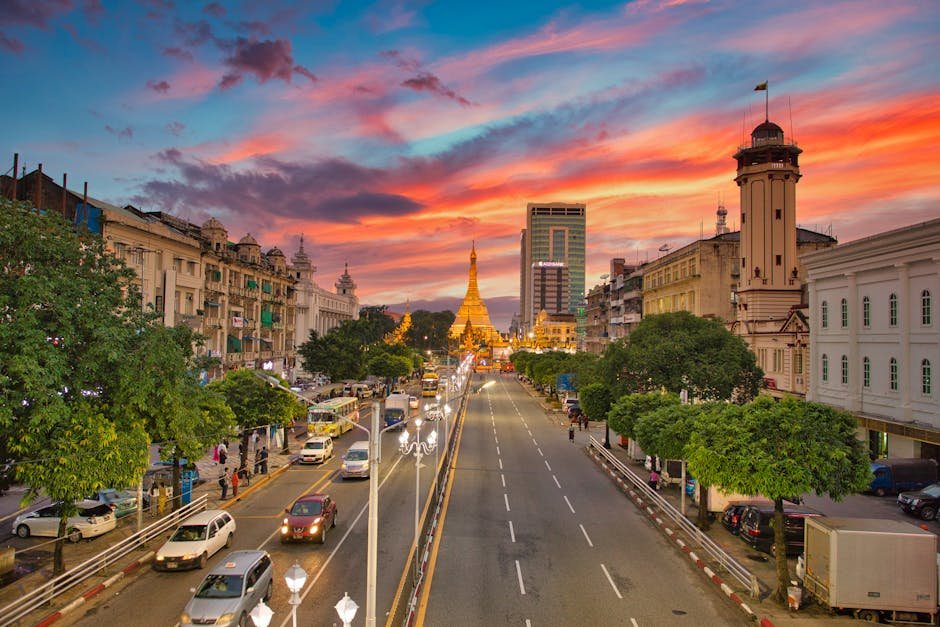
Yangon
Fly into Yangon, Myanmar’s largest city. Spend two days in the colonial district, then catch a night bus to Bagan. Rent a bike to circle the plains and watch sunrise over more than 2,000 pagodas, a view that feels like stepping back in time.
From Bagan, head north to Mandalay, then cross the border into the Thai town of Mae Sot. Use this as a base to trek the hill‑tribe villages of Hsipaw. The trek takes four days and offers tea‑plant terraces, waterfalls, and homestays where you can learn to cook local dishes.
85%of solo travelers say off‑the‑path routes boost confidence
After Hsipaw, travel south into Laos via the Golden Triangle. Stop at Luang Namtha for a community‑based ecotourism experience. Join a guided trek through the Nam Ha National Protected Area, and you’ll spot gibbons, wild orchids, and learn about sustainable tourism.
Continue to the Bolaven Plateau in southern Laos. Here you can tour coffee farms, visit waterfalls, and stay in bamboo huts that blend into the jungle.
Wrap up your adventure by heading east into Vietnam via the border at Lao Bắc. Spend a few days in Hanoi before heading south to the coastal town of Quy Nhơn, where you can snorkel without the crowds of more famous beaches.
Bottom line: The off‑the‑beaten‑path route trades crowds for authentic encounters and longer travel days.
Budget Breakdown & Daily Costs by Country
Knowing how much you’ll spend each day helps stop surprise money woes. The research shows that most backpackers budget around $35 USD per day, which is about A$50 in 2026. That number comes from a 9‑month backpacking diary that tracked meals, hostels, and transport across the region.
Here’s a quick look at average daily costs for common backpacking stops. All figures are in Australian dollars and assume you stay in a dorm bed, eat street food, and use buses or trains.
| CountryHostel (Dorm)Meal (Street) Transport Daily Total | ||||
| Thailand | A$8‑12 | A$5‑8 | A$5‑7 | A$20‑27 |
| Vietnam | A$7‑10 | A$4‑7 | A$4‑6 | A$18‑23 |
| Cambodia | A$6‑9 | A$3‑5 | A$4‑6 | A$15‑20 |
| Laos | A$5‑8 | A$3‑5 | A$3‑5 | A$13‑18 |
| Myanmar | A$7‑11 | A$4‑6 | A$5‑8 | A$18‑25 |
| Malaysia | A$9‑12 | A$5‑8 | A$5‑7 | A$22‑27 |
| Philippines | A$10‑14 | A$6‑9 | A$6‑9 | A$24‑32 |
Why does the cost vary? Island nations like the Philippines need ferries, which raise transport fees. Mountain towns in Laos have cheaper food because locals grow their own rice.
Pro Tip: Use a local SIM with data. It costs about A$5 for a month and lets you find last‑minute hostel deals on apps.
When you add a few splurges, a night market dinner, a guided tour, or a night bus, your daily spend can rise by A$10‑15. Keep a small emergency buffer in case you need a quick flight home.
Key Takeaway: A solid budget plan of A$20‑30 per day covers most of Southeast Asia; add A$10 for occasional comforts.
Bottom line: Knowing daily costs lets you set a realistic budget and avoid running out of cash.
Ready to map your perfect trip? Try OzAsiaTraveller free →
Packing Essentials for Southeast Asia
What you pack can make or break your trip. A light pack means you can hop on any bus, and you won’t be stuck lugging heavy gear through crowded markets. Wikipedia defines backpacking as travelling with a single bag that carries everything you need.
Here’s a checklist that works for most routes:
- 40 L backpack with rain cover
- Daypack for daily outings
- Quick‑dry clothing: 3‑4 t‑shirts, 2 pairs of shorts, 1 pair of lightweight pants
- Swimwear (one modest, one sporty)
- Lightweight rain jacket or poncho
- Travel towel (microfiber)
- Reusable water bottle + filter straw
- Basic first‑aid kit (plasters, antiseptic wipes, pain relievers)
- Portable charger and universal adapter
- Secure money belt and two backup debit cards
Don’t forget a small lock for hostel lockers and a set of zip‑tie cords; they come in handy for fixing broken zippers or securing gear on a bus roof.
Pro Tip: Pack a lightweight scarf. It can shield you from dust, double as a modest cover for temple visits, and keep you warm on night buses.
When you’re on the road, you’ll find that you can wash most clothes in a sink with a travel‑size detergent. Hang them to dry on a balcony or a hostel rope line. This habit keeps your pack light.
Key Takeaway: Stick to versatile, quick‑dry items and a few tech basics to stay comfortable and mobile.
Bottom line: A smart packing list lets you travel light, stay organised, and adapt to any situation.
Visa Requirements & Important Documents
Visas are a common snag for backpackers, especially when you hop borders often. Each country has its own rules, and they can change fast. The Southeast Asia Backpacker guide warns that staying up‑to‑date saves you time and money at the border.
Here’s a quick look at the most common visa types for Australian passport holders:
- Thailand: Visa‑free 30 days on arrival. If you need more time, apply for a 60‑day extension at an immigration office (A$30 fee).
- Vietnam: E‑visa for 30 days, applied online before you travel. Costs about A$70.
- Cambodia: Visa on arrival for 30 days (A$35). You can also get an e‑visa in advance.
- Laos: Visa on arrival for 30 days (A$30). Extendable for another 30 days at a local office.
- Myanmar: e‑Visa for 28 days (A$50). Must apply at least a week before departure.
- Malaysia: Visa‑free for up to 90 days, no paperwork needed.
Key documents you should always have copies of:
- Passport (keep a digital scan on your phone)
- Two passport‑size photos (many borders ask for them)
- Travel insurance policy (print a hard copy) – read our guide to the best Southeast Asia travel insurance providers.
- Proof of onward travel, a printed flight or bus ticket, shows you’ll leave the country.
Many border agents will ask for proof of funds. A quick screenshot of your bank balance (A$500+) usually satisfies them.
Pro Tip: Store a PDF of every visa receipt in a cloud folder. If a border officer asks for proof, you can pull it up instantly.
Key Takeaway: Keep digital and paper copies of visas, photos, and insurance to breeze through checkpoints.
Bottom line: Proper visa prep avoids delays, extra fees, and missed connections.
Health and Safety Tips for Backpackers
Staying healthy on the road means a bit of planning before you leave. The World Health Organisation recommends certain vaccinations for Southeast Asia, including hepatitis A, typhoid, and Japanese encephalitis for rural trips.
Here’s a health checklist you can print out:
- Vaccinations: Hepatitis A & B, Typhoid, Japanese Encephalitis (if venturing into jungles).
- Insect repellent with at least 20 % DEET.
- Water purification tablets or a filter bottle.
- Oral rehydration salts for any stomach upset.
- Basic first‑aid kit (plasters, antiseptic wipes, pain relievers).
Drink only sealed bottled water or filtered tap water. Avoid ice in drinks unless you know the water source is safe.
70% of travellers report minor stomach issues without proper water precautions
When it comes to safety, keep your belongings close. Use a lock on your hostel locker and store your passport in a hidden money belt.
Scams are common in tourist hubs. Research typical scams before you arrive, for example, overly cheap tuk‑tuk rides or “free” tours that end in a hard sell.
Pro Tip: Set a daily alarm on your phone to remind you to lock your bag before you sleep.
“Safety isn’t about being scared, it’s about being prepared.”
Key Takeaway: Good hygiene, smart vaccinations, and lockdown habits keep most health and safety issues at bay.
Bottom line: A little prep before you go protects your health and your wallet while you explore.
Best Time to Visit and Route Planning Tips
The climate in Southeast Asia varies, but most countries have a dry season from November to February and a wet season the rest of the year. Wikipedia notes that even the wet season brings plenty of sunny windows between showers.
Here’s a quick guide to the best months per country:
- Thailand: Cool dry months, November to February.
- Vietnam: North, October to March; South, December to April.
- Cambodia: Dry season, November to March.
- Laos: Dry season, November to February.
- Myanmar: Cool, dry, November to February.
- Philippines: Dry, December to May.
If you can’t travel in the peak dry months, the shoulder season (April‑June) offers lower prices and fewer crowds. Pack a poncho and be ready for short rain bursts.
Pro Tip: Use a spreadsheet to map out each country’s climate window and align it with local festivals for a richer experience.
When you plan your route, think about transport hubs. Bangkok, Ho Chi Minh City, and Kuala Lumpur have cheap flight connections that let you skip long bus rides if you’re short on time.
Key Takeaway: Travelling in the shoulder season saves cash and still offers good weather, especially for backpackers on a budget.
Bottom line: Match your route to the dry windows, but don’t fear the rain; it can be a quiet, cheap travel time.
Frequently Asked Questions
What is the ideal length for a Southeast Asia backpacking route?
The ideal length depends on your time and budget. Research shows the classic Banana Pancake Trail fits into 28 days, while more expansive loops can stretch to 90‑180 days. For most Australian backpackers, a 4‑week itinerary hits the highlights without burning through cash, and a 3‑month trip lets you add side trips like Myanmar or the Philippines.
Do I need a visa for every country on the route?
Not always. Australians get visa‑free entry to Thailand, Malaysia, and Singapore for short stays. Vietnam, Cambodia, Laos, and Myanmar require e‑visas or visa‑on‑arrival. Always check the latest rules on the embassy website before you leave, and keep a printed copy of any e‑visa approval.
How much money should I budget per day?
A safe daily budget is A$25‑30 for cheap hostels, street food, and buses. In pricier spots like Koh Phi Phi or Singapore, plan for A$45‑50 a day. Adding a few splurges, a night market dinner or a guided trek, will push the total up by about A$10‑15.
What’s the best way to stay connected to the internet?
Buy a local SIM card in each country. In Thailand, a 30‑day data pack costs around A$5. In Vietnam and Cambodia, you can get a similar plan for A$4‑6. Keep your SIM in a protective case and use messaging apps to stay in touch with family.
Can I travel safely as a solo female backpacker?
Yes. Most solo women report feeling safe in hostels that have good reviews and 24‑hour security. Stick to well‑lit streets at night, keep your valuables locked, and let a friend know your daily itinerary. The health‑and‑safety guide notes that female travellers rarely face harassment in the main backpacker hubs.
How do I handle money and currency exchange?
Carry a mix of cash (USD or AUD) and two debit cards. Use ATMs in cities for the best rates, but avoid standalone machines in remote villages. Exchange a small amount before you leave Australia, then top up with local cash as you go.
Is travel insurance worth it?
Absolutely. Look for a policy that covers medical evacuation, adventure sports, and trip cancellation. Australian backpackers often choose a plan with A$10 million coverage for peace of mind. Read the fine print to see if pre‑existing conditions are excluded.
What should I pack for the rainy season?
A lightweight rain jacket, quick‑dry shirts, and waterproof dry sacks for electronics are essential. Pack a small microfiber towel that dries fast, and bring a foldable daypack that you can toss in a locker if it gets soaked.
Conclusion
There’s no one‑size‑fits‑all Southeast Asia backpacking route, but the seven itineraries here give you a solid menu to choose from. Whether you chase the classic party trail, wander off the beaten path, or balance cost with comfort, you now have the numbers, the gear list, the visa map, and the health checklist to make it happen.
OzAsiaTraveller builds each itinerary with Australian backpackers in mind, offering clear budgets, up‑to‑date visa info, and local tips you won’t find on generic blogs. Start planning your route today, grab the free guide, and turn the dream of a Southeast Asia adventure into reality.
Ready to take the next step? Explore OzAsiaTraveller’s full suite of itineraries and tools, and book your first hostel with confidence.
Key Takeaway: Adding Myanmar and remote spots in Laos gives you a quieter, culturally rich route that many miss.