

If there’s one place in Southeast Asia that could genuinely keep you eating from sunrise to well past midnight — and have you planning your next meal before you’ve finished the current one — it’s Penang. Widely regarded as the food capital of Malaysia (a bold claim in a country that takes eating very seriously), Penang street food has earned a global reputation that draws travellers from Australia, Europe, and beyond, all in pursuit of that perfect bowl of laksa or a plate of wok-charred noodles eaten at a plastic table on the footpath. If you’re heading to this incredible island and want to eat like a local, this Penang food guide is for you.
Why Penang Street Food Is Unlike Anything Else in Asia
Penang’s culinary identity wasn’t built overnight. Centuries of trade, migration, and cultural blending have layered flavour upon flavour into what is now one of the most diverse food scenes in the world. The island’s position as a historic trading port brought together Malay, Chinese, Indian, and colonial British influences, and those communities didn’t just coexist — they cooked together, borrowed from each other, and created something unique.
One of the most fascinating results of this cultural melting pot is Nyonya (Peranakan) cuisine, born from the intermarriage of Chinese immigrants and local Malays. Nyonya dishes are complex, aromatic, and deeply satisfying — a beautiful collision of Chinese technique and Malay spicing. You’ll find Nyonya restaurants tucked into the charming old laneways of Georgetown, where the food feels as much a part of the heritage as the colonial shophouses surrounding you.
But what really sets Penang apart is the culture around eating. Locals don’t just eat three meals a day — they eat six. Breakfast, a mid-morning snack, lunch, an afternoon snack, dinner, and a late-night supper. Hawker stalls operate at different hours, with certain dishes traditionally tied to specific times of day: Hokkien Mee in the morning, Char Kuey Teow at night, and Nasi Kandar when the midnight craving hits. Coming to Penang without a food plan is a missed opportunity. Coming with one? Absolute magic.
The Dishes You Absolutely Cannot Leave Without Trying
Before we talk about where to eat, let’s talk about what to eat. Here’s a breakdown of the essential Penang street food dishes every visitor should have on their list:
| Dish | What It Is | Best Time to Eat |
|---|---|---|
| Assam Laksa | Spicy, sour fish broth with thick noodles — sardines and mackerel, no coconut milk | Lunch or afternoon |
| Char Kuey Teow | Stir-fried flat rice noodles with shrimp, egg, and cockles, cooked in a screaming-hot wok | Evening |
| Hokkien Mee | Egg and rice noodles in a rich, deep prawn broth with pork and prawns | Morning |
| Curry Mee | Spicy coconut broth with noodles, tofu, and blood cubes — sounds confronting, tastes incredible | Morning or lunch |
| Chee Cheong Fun | Silky rice noodle rolls doused in thick shrimp paste sauce — very Penang, very good | Breakfast |
| Roti Canai | Flaky, buttery Indian flatbread served with curry or dhal | Breakfast |
| Nasi Lemak | Fragrant coconut rice in banana leaf with sambal, anchovies, and boiled egg | Breakfast |
| Cendol | Shaved ice dessert with coconut milk, green jelly noodles, and palm sugar | Afternoon |

Penang Laksa
A few notes from personal experience: Penang Assam Laksa is genuinely unlike any other laksa you’ll find across Malaysia. Forget the creamy, coconut-forward broths of KL or Singapore — this version is intensely sour, funky from the fish, and deeply addictive. It’s one of those dishes that divides people on the first spoonful but converts them by the third.
And if someone tells you to skip the Char Kuey Teow because it’s “too touristy” — ignore them. The best versions, cooked by a hawker who has been working the same wok for thirty years, are smoky, slightly charred, and absolutely worth every calorie.
Best Street Food Locations & Hawker Centres in Penang
Georgetown is your ground zero. Most of Penang’s legendary hawker culture is centred here, woven into the streets of a UNESCO World Heritage Site that rewards slow, curious wandering. Wear comfortable shoes, bring cash, and follow the crowds.
Georgetown’s Must-Visit Food Streets
Penang Road is perhaps the most famous strip for food, and for good reason. This is where you’ll find iconic spots like the Famous Laksa stall, Famous Char Kuey Teow, and the much-loved Famous Teochew Chendul — a Cendol institution that draws long queues most afternoons. Yes, it’s touristy. Yes, it’s still worth it.
Kimberly Street is a favourite among food lovers who want something a little more off the beaten path. The standout here is Duck Kway Chap — a rustic noodle soup served with various duck parts, braised tofu, and offal in a dark, fragrant broth. It sounds intense, and it is, in the best possible way.
Chulia Street offers a diverse lineup of hawker stalls and is great for an evening wander when the heat softens and the food vendors are in full swing.

A popular street in Georgetown, Penang
Carnavon Street is known for solid, no-fuss classics including wonton noodles that have regulars returning every morning without fail.
Local Favourites Away from the Tourist Trail
If you want to eat where Penang residents actually eat, venture a little further:
- Cecil Street Market — Fewer tourists, serious local credentials. Go hungry.
- New Lane Hawker Centre — A neighbourhood staple with traditional dishes and a relaxed local vibe.
- Chowrasta Market — Arrive before 10 a.m. for the freshest produce, snacks, and breakfast bites. This market has genuine old-school Penang character.
- Air Itam Morning Market — Worth the early alarm. The morning market atmosphere here is vibrant and the food is exceptional.
- Pulau Tikus Hawker Center — Head here specifically for Ban Chang Kuih, a warm peanut-and-banana pancake that is criminally underrated as a street food snack.
- Presgrave Street Hawker Center — A great all-rounder away from the tourist zone, with excellent Hokkien Mee and rotating local specials.
- Sungai Pinang Food Court Paradise — A real local hub blending Malay classics with Indian dishes and a few unique finds you won’t spot on any tourist map.

Seafood is a popular choice for visitors to Penang
Gurney Drive: Sunset + Street Food
No Penang food guide would be complete without mentioning Gurney Drive. This seafront promenade transforms in the late afternoon as hawker stalls fire up their woks and the sea breeze rolls in. Char Kuey Teow, rojak (a tangy fruit and vegetable salad tossed in shrimp paste), and grilled stingray are all worth ordering here. Timing your visit around sunset turns dinner into an event.
Don’t Forget Batu Ferringhi
Most people know Batu Ferringhi as Penang’s beach strip, but there’s great food here too. The roadside stalls and local warungs (small casual eateries) along the main road serve up excellent mee goreng sotong (squid fried noodles) and grilled satay, particularly in the evenings when the night market gets going. It’s a good reminder that great Penang street food exists beyond Georgetown.

A night market in Batu Ferringhi
Practical Tips for Eating Your Way Through Penang
Here’s the honest, no-fluff advice you need before you go:
- Bring cash. Most hawker stalls and traditional street food vendors are cash only. ATMs are plentiful in Georgetown, but don’t rely on tapping your card at a hawker centre.
- Go early or go late. Midday in Penang can be brutally hot. The best eating windows are early morning (7–10 a.m.) for breakfast stalls and markets, and late afternoon through evening when dinner hawkers get started.
- Follow the queues. A long line outside a modest-looking stall is always a good sign. Penangites are opinionated about their food and they vote with their feet.
- Explore the back alleys. Georgetown’s UNESCO-listed streets are full of hidden food gems tucked into narrow laneways and behind unassuming doorways. Slow down and wander.
- Don’t skip the dessert. Cendol, especially from a vendor who makes their own gula melaka (palm sugar) syrup, is one of the most refreshing things you’ll eat in Southeast Asia. Seek it out on a hot afternoon.
- Try everything once. Some dishes — like Curry Mee with blood cubes — might look unfamiliar. Trust the process. Penang street food has been refined over generations, and most things that look unusual taste extraordinary.
Getting to Penang
If you’re flying from within the region, there are direct flights from Singapore and Bangkok into Penang International Airport (Bangkok is about 1 hour 45 minutes on Thai Airways or Thai AirAsia). From Kuala Lumpur, buses from the main terminal take around 5 hours for roughly RM 40 — a comfortable, budget-friendly option on Malaysia’s excellent road network. For a more scenic option, the train and ferry combination is a lovely way to arrive.
Penang also makes a brilliant stop on a broader Malaysian itinerary. The charming city of Ipoh in Perak is just a couple of hours away and has its own impressive food scene worth exploring if you have time.
For a full overview of Malaysia’s best destinations, it’s hard to go past Penang as your first stop — but it’s equally hard to leave.
Final Thoughts on Penang Street Food
Penang street food isn’t just about the food itself — it’s about the whole experience. The sizzle of a wok at six in the morning, the steam rising from a bowl of laksa set down in front of you at a marble-topped kopitiam table, the satisfaction of finding a dish so good you go back for it twice in the same day. This is what food travel is supposed to feel like.
If Penang is on your radar for 2026, do yourself a favour: give yourself more days than you think you need, build your itinerary around meal times, and be genuinely open to eating things you’ve never heard of. The island will reward you generously.
Hungry for more? Check out our full guide to things to do in Penang for everything beyond the food — street art, temples, heritage walks, and the beautiful beaches of Batu Ferringhi await. And if you’re planning a wider Malaysian adventure, our Malaysia destinations guide is the perfect place to start.
Related Content:
Penang Hill: Complete Guide to Bukit Bendera & The Habitat
Imagine standing above the clouds, watching the first light of morning wash over George Town’s…
Kek Lok Si Temple Penang: Everything You Need to Know Before You Visit
Perched dramatically on a hillside in Air Itam, Kek Lok Si Temple Penang is the…
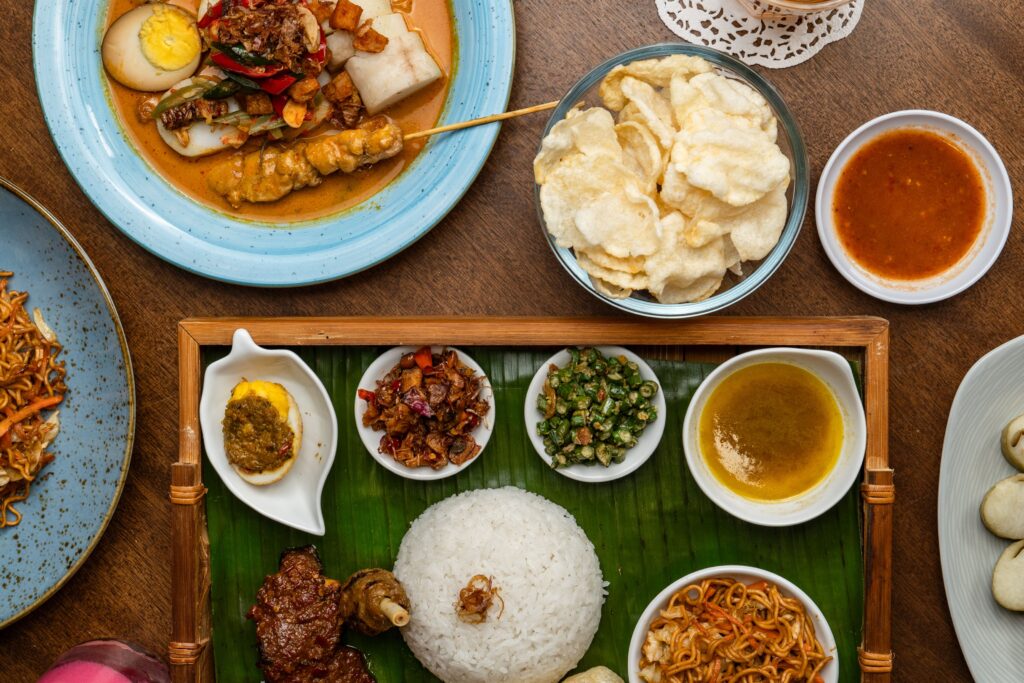
Nyonya Cuisine in Penang: A Guide to Peranakan Food & Where to Eat It
Peranakan Culture in Melaka: Baba & Nyonya Heritage Museum Guide
I went to Melaka expecting good food and old shophouses. What I didn’t expect was…

Bangkok BTS, MRT Guide & Airport Transfers Explained
Bangkok BTS Guide Bangkok’s traffic has a reputation for a reason — a trip that…

Bangkok Day Trips: Ayutthaya, Ko Kret & Amphawa for First-Timers
Bangkok Day Trips A few days into any Bangkok trip, the traffic, the heat, and…

