Nyonya Heritage Musuem Melaka

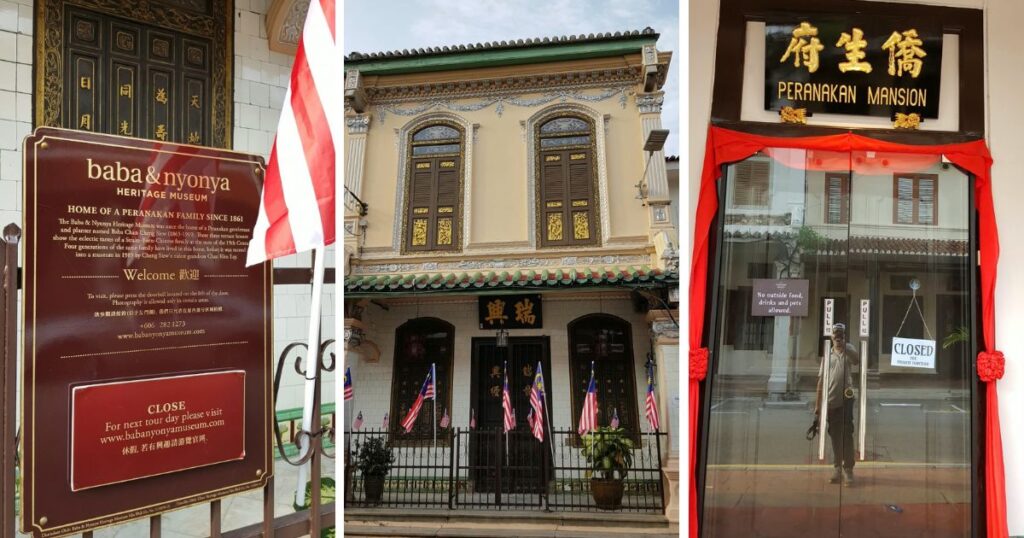
I went to Melaka expecting good food and old shophouses. What I didn’t expect was to spend an hour inside one family’s home, learning how a whole culture grew out of two worlds meeting. Baba & Nyonya Museum Melaka was definitely worth a visit shedding light on rich cultural history of Melaka. 

Who are the Peranakan?

From as early as the 16th century, migrants from China who settled in Malaya began to adopt local customs and married into local communities. The result was a hybrid culture called Peranakan. Men are addressed as Baba and women as Nyonya. Over generations that blend shaped the food, dress, language and homes you still see around Melaka today.

The Baba & Nyonya Heritage Museum

The museum is housed in a family home made up of three terrace lots that the Chan family bought in 1861. Four generations lived there before it opened as a museum in March 1985, and the family still runs it today.

Walking through, you are guided through late 19th and early 20th century life in the home of Baba Chan Cheng Siew (1865-1919). The eclectic taste on show gives you a feel for the opulence fashionable in Peranakan homes before the Second World War.


Plan your visit

  1. Where: Jalan Tun Tan Cheng Lock, in Melaka’s UNESCO World Heritage old town, a short walk from Jonker Walk. (Confirm the street number and walking time in a map app.)
  2. Tickets: adult (13 and over) RM25, child (up to 12) RM15. Visitors in costume pay a RM100 surcharge. Tickets are sold online at the museum’s site or at the entrance.
  3. Hours: about 10:00 to 16:15 on weekdays and 10:00 to 16:45 on weekends. (Check the museum’s site before you go.)
  4. Families: an activity kit with activity cards for children aged 5 to 12 costs RM10.
  5. Groups: groups of 15 or more need to book at least one month ahead. Mandarin guided tours are available on request.

A tip from my own trip

On the day I went to the nearby Peranakan Mansion, the door had a red ribbon across it and a sign saying closed for a private function. It is a good reminder that heritage venues in Melaka can close at short notice for events. Check opening status the same day, and have a backup stop in mind.

Make it a Nyonya day

Pair the museum with a Nyonya meal in the old town. See my guide to Nyonya and Peranakan food in Melaka for where to eat.

historical shophouse in jonker walk melaka

Enjoying a unique historical experience in Jonker Walk Melaka

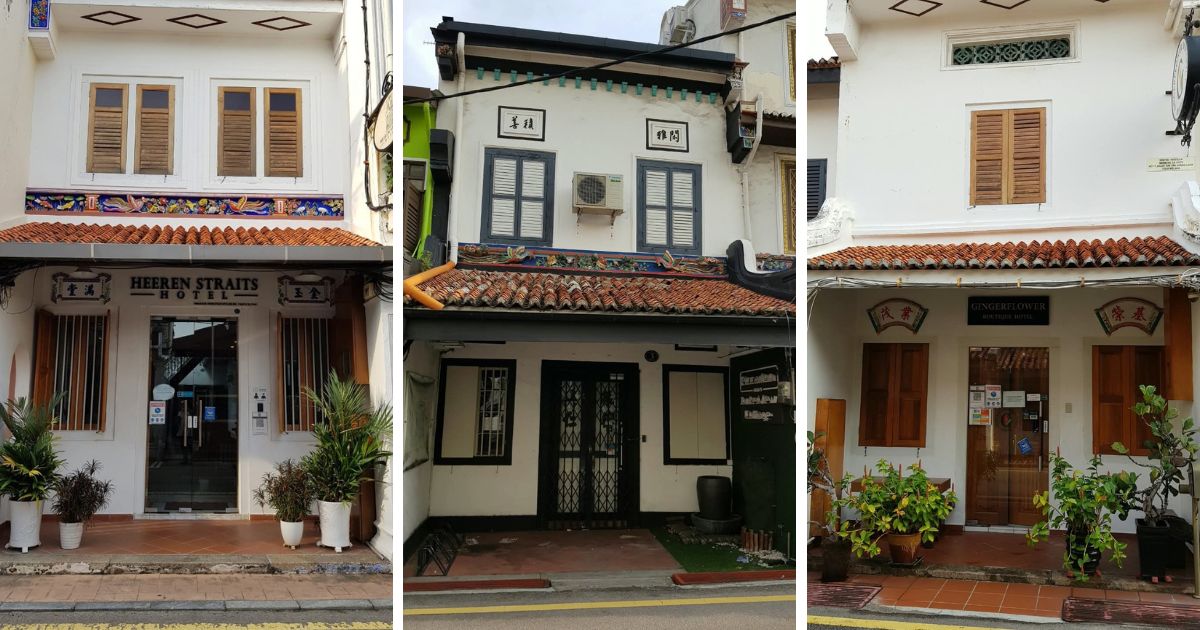
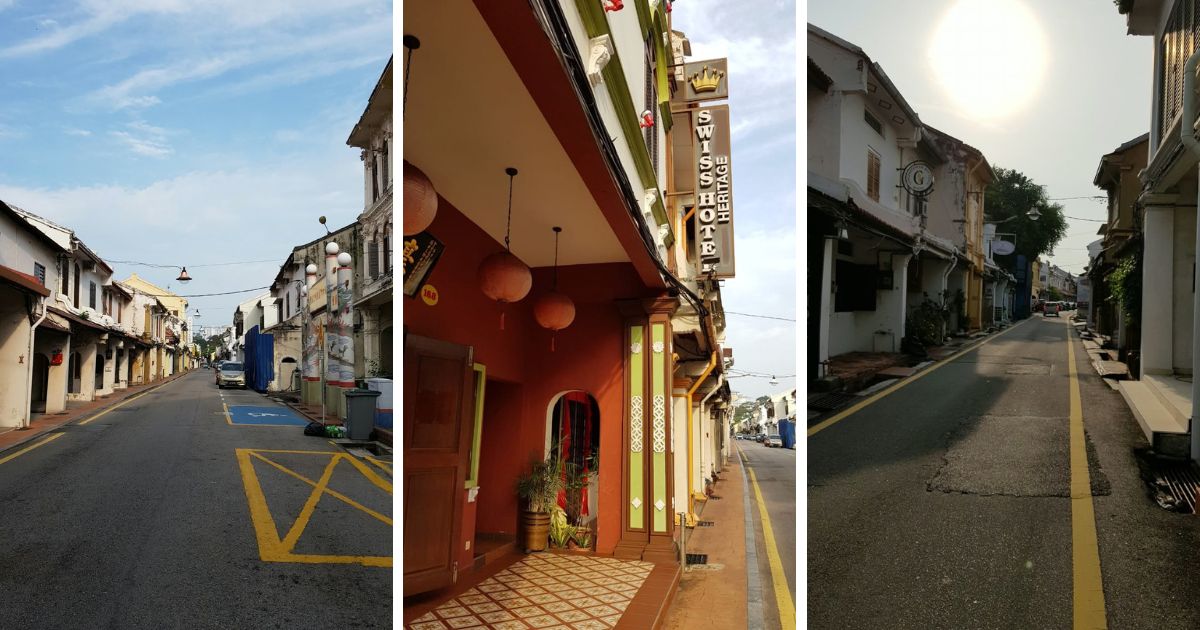
Jonker Walk is more than just a lively street in Melaka—it is a living showcase of the city’s rich cultural and architectural heritage. The neighbourhood is filled with beautifully preserved historic shophouses, many of which have been lovingly transformed into boutique hotels and guesthouses, allowing visitors to experience the charm of staying inside a piece of Melaka’s history.

I particularly enjoyed this unique experience and highly recommend it to travellers who want to explore Melaka beyond its famous attractions. Staying in one of these heritage buildings gives you a chance to wake up surrounded by old-world architecture while being right in the heart of the vibrant Jonker Walk neighbourhood.

What makes these shophouses even more fascinating is that many have their own stories to tell. Behind the traditional façades are generations of family history, with some properties tracing their roots back several centuries. Walking through the narrow streets and admiring these buildings offers a fascinating glimpse into Melaka’s multicultural past and the lives of the families who once called them home.

historical shophouses in melaka

What Makes Melaka Such an Interesting Place to Visit?

Located along the Strait of Malacca, Melaka is one of Malaysia’s most fascinating destinations and a wonderful addition to any trip to Kuala Lumpur. Its strategic location made it an important trading port for centuries, attracting merchants, travellers and settlers from different parts of Asia, the Middle East and Europe.

This constant exchange of people and cultures shaped Melaka into the wonderfully diverse city it is today. Its history can be seen everywhere—from colourful heritage buildings and traditional shophouses to historic landmarks, places of worship and bustling streets. The cultural mix has also created a fascinating food scene, combining different culinary traditions, flavours and cooking styles.

What I particularly enjoy about Melaka is the way its old and new worlds exist side by side. You can spend the morning wandering through historic streets and exploring centuries-old buildings, then enjoy modern shopping malls, contemporary cafés, luxury hotels and beautifully designed mosques later in the day. There is plenty to keep couples, solo travellers and families entertained.

Melaka can easily be visited as a day trip from Kuala Lumpur, but I would recommend staying longer if you have the time. Spending a night or two allows you to experience the city after the day-trippers leave and gives you more time to explore its heritage streets, food, markets and waterfront.

If you are planning a trip to Kuala Lumpur, I strongly suggest adding Melaka to your Malaysia itinerary. It is a destination where history, culture, architecture and food come together to create an experience that is very different from modern Kuala Lumpur.

Leave a Comment

Your email address will not be published. Required fields are marked *

Scroll to Top