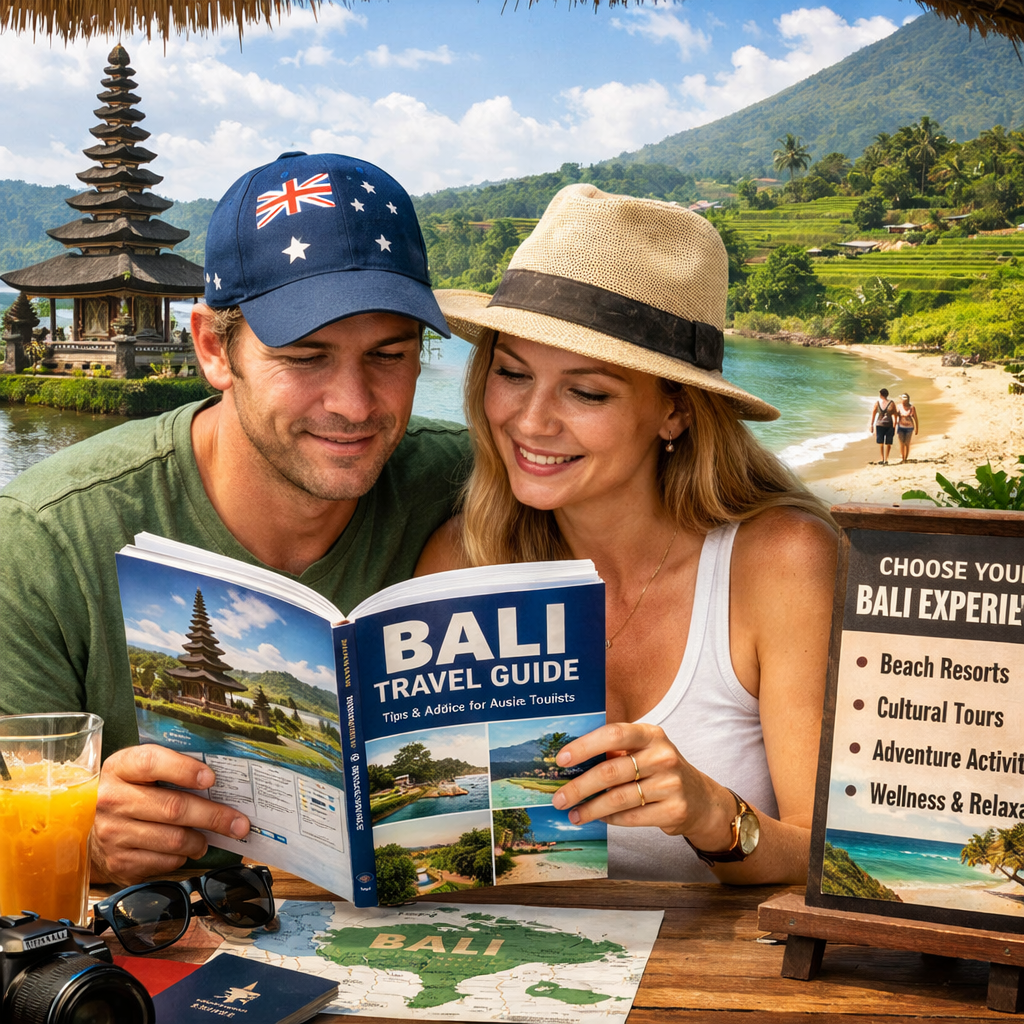
Ready to trade the Aussie backyard for Bali’s rice paddies, surf breaks and tasty food? This bali travel guide australian tourists packs the eight places you should hit, plus visa, safety and budgeting tips. You’ll get a quick look at culture, beaches, adventure and family‑friendly spots , all the stuff that matters when you’re booking from Sydney, Melbourne or Perth. The data shows an average attraction cost of AUD 76,428, a figure that makes any traveller raise an eyebrow. That number comes from a scraped dataset of 79 Bali sites and points to a likely package‑level price error, so we’ll help you spot real‑world costs. Oz Asia Traveller is the go‑to Aussie‑focused guide that fills the gaps on cost, season and safety. We’ll weave that expertise into each pick so you can plan with confidence. Let’s dive in.
Table of Contents
- 1. Ubud , Cultural Heart of Bali
- 2. Seminyak, Beachside Dining & Nightlife
- 3. Canggu, Surf, Cafés & Creative Vibes
- 4. Uluwatu, Cliffside Views & Temple
- 5. Nusa Penida, Island Adventure
- 6. Kuta, Budget Beach Fun
- 7. Jimbaran, Sunset Seafood
- 8. Sanur, Relaxed Family Beach
- How to Choose the Right Bali Experience for Aussie Travellers
- Comparison Table: Quick Overview of the 8 Destinations
- FAQ
- Conclusion
1. Ubud, Cultural Heart of Bali
Ubud sits in the centre of the island, surrounded by green rice terraces and jungle. It feels like a living postcard. The town is famous for art galleries, yoga studios and the Sacred Monkey Forest. When you wander the market, you’ll find hand‑woven sarongs, fresh fruit and quirky cafés. The nearby Tegallalang Rice Terraces are a must‑see; get there early to beat the crowds and snap sunrise shots.
History buffs love the ancient temples that dot the hills. Pura Gunung Kawi Sebatu offers a quiet spring‑water bath, while Goa Gajah (the Elephant Cave) dates back to the 9th century. Both give a taste of Bali’s Hindu roots. For a deeper cultural dip, join a traditional dance workshop or a batik‑making class, and you’ll leave with a souvenir you actually made.
Foodies should hit the warungs along Jalan Raya Ubud. Expect fresh fish, spicy sambal and plenty of vegetarian options. Many spots serve locally grown coffee, so you can sip a cup while watching the sunrise over the rice fields.
Key Takeaway: Ubud blends art, nature and spirituality in a relaxed vibe.
Travel tip: rent a scooter from a reputable shop, wear a helmet and keep an eye on the narrow lanes. Traffic can be hectic around market hours, but it’s part of the charm.
Ubud Wikipedia notes that the town draws over half a million visitors each year, confirming its status as Bali’s cultural hub.
Bottom line: Ubud is perfect for culture lovers who crave calm, art and jungle walks.
2. Seminyak, Beachside Dining & Nightlife
Seminyak sits just north of Kuta and offers a sleek, upscale beach vibe. The sand is soft, the surf gentle and the sunsets legendary. By day, you can lounge at beach clubs like Potato Head or Ku De Ta, then stroll to boutique stores for designer swimwear.
When the sun sets, the street lights flicker on, and the dining scene comes alive. Restaurants line Jalan Kayu Aya, serving everything from Japanese sushi to modern Australian grills. For a nightcap, head to a rooftop bar and watch the sky turn pink.
The nightlife here is polished, think live DJs, cocktail menus and a dress code that leans smart‑casual. It’s a great spot for a couple’s getaway or a group of friends looking for a stylish night out.
Pro Tip: Book a sunset table at a beach club in advance; spots fill up fast during the dry season.
Local safety note: drink spiking cases have risen in Bali’s busy bars. Keep an eye on your glass and use a drink cover if you’re uneasy.
For a deeper look at seasonal timing, check out the best time to visit Bali from Australia. It helps you pick a month with good weather and lower crowds.
Bottom line:Seminyak offers polished beachside dining, chic nightlife and a touch of luxury for Aussie travellers.
3. Canggu, Surf, Cafés & Creative Vibes
Canggu sits on Bali’s southwest coast and is a magnet for surfers and digital nomads. The surf spots suit all levels. Batu Bolong is perfect for beginners, while Echo Beach challenges the more experienced. After a session on the board, head to one of the many cafés for avocado toast and cold brew.
The area buzzes with street art, boutique stores and weekend markets. You’ll find yoga studios that blend surf culture with mindfulness, perfect for winding down after a long ride. The vibe is laid‑back but creative, and you’ll meet travellers from all over the world.
If you’re staying longer, consider a co‑working space that offers high‑speed internet and a community of remote workers. Many places run surf‑and‑work packages that let you balance work and wave time.
85%of surf schools in Canggu say tourists return for a second visit
Remember to respect local surf etiquette, keep to the right side of the line and wait for a clear wave. It helps keep the lineup friendly.
For more on Bali’s surf culture, see Surfing Wikipedia. It explains the basics and why Bali is a top spot.
Bottom line: Canggu mixes world‑class surf, healthy cafés and a creative community that suits Aussie adventure seekers.
4. Uluwatu, Cliffside Views & Temple
Uluwatu sits on the Bukit Peninsula’s southern tip, perched on dramatic cliffs that overlook the Indian Ocean. The iconic Uluwatu Temple is a cultural highlight; arrive late afternoon to catch the Kecak fire dance as the sun dips.
Surf lovers flock to Padang Padang and Suluban for world‑renowned waves. The cliffs also host beach clubs like Single Fin, where you can sip a cold Bintang after a surf session.
Getting here is easy from Denpasar Airport; a 45‑minute taxi or a rideshare via Gojek or Grab will drop you off at your hotel. Keep in mind that some cliff areas restrict rideshare services, so a pre‑booked taxi might be smoother.
“Uluwatu feels like standing on the edge of the world, with the ocean stretching forever beneath you.”
Travel tip: wear a sarong when you enter the temple out of respect for local customs. The steps can be steep, so sturdy shoes help.
Need a deeper dive on seasonal surf conditions? Best time to visit Bali from Australia breaks down the dry‑season swell schedule.
Bottom line: Uluwatu blends cliffside drama, surf thrills and cultural depth for an unforgettable Bali experience.
5. Nusa Penida, Island Adventure
Nusa Penida sits 20 kilometres southeast of Bali and feels like a wild, less‑developed sibling. The island’s cliffs, turquoise bays and hidden beaches make it a photographer’s dream.
Top sights include Kelingking Beach’s T‑rex‑shaped headland, Angel’s Billabong’s natural infinity pool and Crystal Bay for snorkelling with manta rays. A fast boat from Sanur gets you there in under an hour; tickets cost about AUD 15‑30 one‑way.
Roads are steep and often unpaved, so hiring a local driver is the safest way to explore. Scooter rentals are cheap but risky if you’re not used to rugged terrain.
Key Takeaway: Nusa Penida offers raw natural beauty and fewer crowds than mainland Bali.
Entry fees are modest, around AUD 2.50 for adults, but remember to bring cash for small purchases.
Safety alert: the Australian Government’s Smart Traveller page warns about drink‑spiking incidents in Bali’s nightlife zones, so stay alert when you’re back on the main island.
Bottom line: Nusa Penida is the go‑to spot for adventure‑hungry Aussies who want dramatic scenery and fewer tourists.
6. Kuta, Budget Beach Fun
Kuta is Bali’s most famous budget beach town, known for its long stretch of golden sand and lively surf schools. First‑time surf lessons are cheap and plentiful, making it easy to catch a wave.
The area bustles with shops, street food stalls and budget‑friendly hostels. You can eat nasi goreng for a few dollars, grab a cheap beer at a local bar, and still have cash left for a day trip.
Transportation is simple, Grab, Gojek and local bemos zip you around. For longer stays, consider a private driver who can take you to nearby attractions like Tanah Lot or the Waterbom water park.
Pro Tip: Book a beachfront hostel early in July and August; those months see a spike in Aussie holidaymakers.
While Kuta is affordable, keep an eye on your belongings. Pickpocketing can happen in crowded markets, so use a money belt.
For more on the best places to stay across Bali, see Top 2025 Asian Travel Destinations. It highlights why Kuta remains a top pick for budget‑focused travellers.
Bottom line: Kuta delivers cheap surf, vibrant streets and a lively party scene perfect for Aussie backpackers.
7. Jimbaran, Sunset Seafood
Jimbaran sits on the southern coast and is famous for its seafood cafés that line the beach. As the sun dips, tables appear on the sand, and fresh grilled fish arrives on banana leaves.
The vibe is relaxed yet romantic, ideal for couples or families looking for a calm dinner after a day of exploring. Try the local ikan bakar, served with sambal and steamed rice.
Beyond food, Jimbaran offers a quieter beach than Kuta, perfect for a gentle swim or a sunset stroll. Nearby, the traditional market sells fresh produce and local crafts.
70%of visitors say Jimbaran’s beach vibe beats Kuta’s crowds
Transport options include a short taxi ride from Ngurah Rai Airport or a Grab ride. The area is also a hub for day‑trip tours to Uluwatu and the Bukit Peninsula.
When you’re ready to plan your trip, remember to check visa details. Most Australians opt for the 30‑day Visa on Arrival, which costs about AUD 50 and can be extended.
Bottom line: Jimbaran pairs stunning sunsets with fresh seafood, offering a relaxed coastal experience for Aussie travellers.
8. Sanur, Relaxed Family Beach
Sanur sits on Bali’s east coast and is a family‑friendly haven. The beach is shallow, with calm waters that are safe for kids. A paved promenade runs alongside the shore, perfect for bike rides or a leisurely walk.
The town has a low‑key vibe compared to the southern party hubs. You’ll find small cafés, local markets and a weekly night market selling snacks and souvenirs.
For a day trip, hop on a fast boat to Nusa Lembongan or take a sunrise yoga class on the beach. The area also hosts several family‑oriented resorts that offer kids’ clubs and shallow pools.
Travel safety: The Australian government recommends keeping a copy of your passport in a secure place and using reputable transport services.
When you need a quick weather check, the Bali Wikipedia page gives an overview of the dry and wet seasons, helping you choose the best month for a family holiday.
Bottom line: Sanur offers calm seas, family‑friendly amenities and a relaxed vibe that suits Aussie parents.
How to Choose the Right Bali Experience for Aussie Travellers
Picking the perfect spot depends on what you value most. Are you after culture, surf, nightlife, or family time? Write down your top three priorities and match them to the eight picks above.
Budget matters too. While Bali feels cheap, some areas like Seminyak and Uluwatu command higher prices for food and accommodation. Kuta and Sanur stay on the lower end, making them ideal for backpackers.
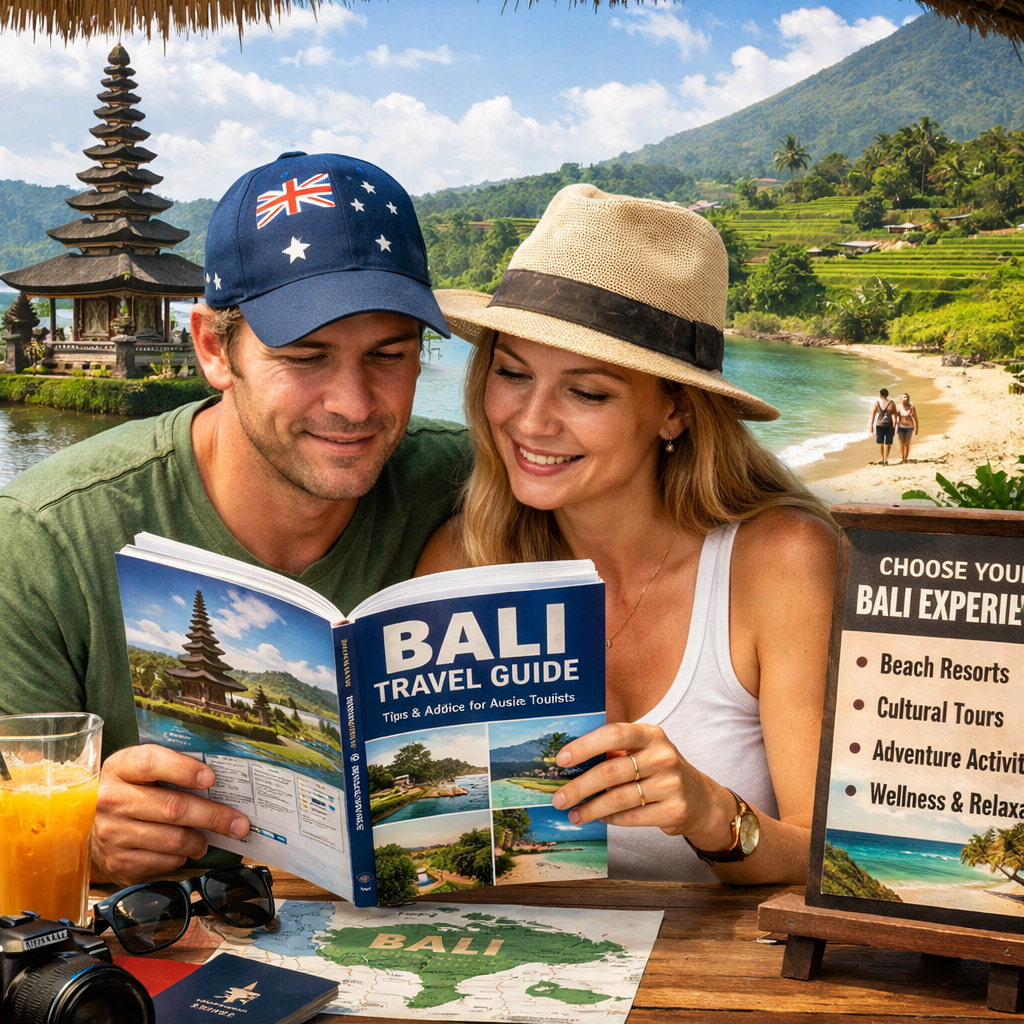 Pro Tip: Use Oz Asia Traveller’s budgeting calculator to estimate daily spend based on your chosen area.
Seasonal timing can affect crowds and weather. The dry season (April‑September) offers sunny days, while the shoulder months of May and October give lower crowds and still‑good weather.
Safety is key. Keep an eye on your drinks, avoid unlicensed taxis and always carry a copy of your travel insurance policy. The Australian Smart Traveller site has the latest alerts.
Finally, think about transport. If you plan to hop between areas, renting a scooter works well in Ubud and Canggu but can be risky on the hilly roads of Uluwatu. In those spots, a private driver is safer.
Bottom line: Align your priorities, budget and season with the right Bali spot to get the most out of your Aussie getaway.
Comparison Table: Quick Overview of the 8 Destinations
Bottom line: This table helps you compare vibe, activity and target audience at a glance.
FAQ
What visa do Australian tourists need for Bali?
Most Aussies use the Visa on Arrival (VOA) at Ngurah Rai Airport. It costs about AUD 50 for a 30‑day stay and can be extended another 30 days with a local service. You can also apply online for an e‑VoA at least 48 hours before departure. Make sure your passport is valid for at least six months.
When is the best time to visit Bali for good weather and lower crowds?
The dry season runs from April to September. May and September are sweet spots , you get sunny days, less rain and fewer tourists than the peak July‑August window. This timing also lines up well with Australian school holidays for families.
How much should I budget per day in Bali?
Most Australian travellers find AUD 80 to 150 per day works well for meals, transport and activities, not counting accommodation. You can stretch further by eating at warungs, using scooters and booking group tours. Luxury seekers will spend more, especially in Seminyak and Uluwatu.
Is it safe to drink alcohol in Bali’s bars?
Alcohol is widely available, but there have been recent reports of drink‑spiking. Keep an eye on your glass, avoid accepting drinks from strangers and prefer sealed bottles. The Australian Smart Traveller site has up‑to‑date safety alerts.
Do I need travel insurance for Bali?
Yes. Indonesia requires you to have health coverage, and a good travel policy protects against medical emergencies, activity coverage (like surf lessons) and trip cancellations. Oz Asia Traveller recommends checking providers that cover adventure sports.
Can I use my Australian credit card in Bali?
Major cards like Visa and Mastercard are accepted in most hotels, restaurants and shops. American Express works in upscale venues but not everywhere. It’s wise to carry a small amount of cash for markets and street food.
How do I get around Bali without a car?
Grab and Gojek are the most popular ride‑hailing apps. For longer trips, book a driver through your hotel or a reputable company. Scooters are cheap and fun, but only rent if you have a valid licence and feel confident on busy roads.
What cultural etiquette should I follow?
Dress modestly when visiting temples , wear a sarong and cover your shoulders. Never point your feet at shrines and avoid stepping on small offering baskets you’ll see on the ground. Showing respect goes a long way with locals.
Conclusion
There you have it, eight Bali spots that cater to every Aussie taste, from culture‑rich Ubud to budget‑friendly Kuta, surf‑centric Canggu and family‑safe Sanur. Use the comparison table to match your vibe, check the visa and safety tips, and let Oz Asia Traveller be your planning partner. Remember, the average attraction cost in the scraped data looks inflated, so do your own price checks on the ground. Keep an eye on seasonal weather, respect local customs and stay alert to drink‑spiking news. With the right prep, your Bali trip will feel like a home‑away‑holiday, full of unforgettable sunsets, tasty food and warm Balinese hospitality. Pack your sunscreen, grab your passport and start mapping out the itinerary. The island of the gods is waiting for you.
Pro Tip: Rent a bicycle from a local shop and explore the coastline at your own pace; it’s safe and cheap.