

Thinking about a quick escape from Aussie life? Bali is the answer. It’s close, it’s sunny, and it fits any budget. In this guide, we’ll break down when you should fly, what you’ll see, and how to get the most out of your trip.
An analysis of 14 time‑period entries from 4 sources shows Bali’s temperature barely drops, 28 °C in the off‑season versus 30 °C in the peak months, while festival density jumps from none to two major events, reshaping the ideal travel window for Australian visitors.
Comparison of 14 Time Periods, April 2026 | Data from 4 sources
| Time Period | Avg Temp (°C) | Tourist Season | Key Events | Best For | Source |
| High season (July-August, Christmas/New Year) | 30 | High | Bali Arts Festival, Kite Festival | Best overall | youtube.com |
We pulled the data by searching for “best time to visit Bali from Australia” and scraping 14 distinct entries from 7 web pages and 7 YouTube videos on 12 April 2026. The fields we captured were average temperature, tourist season, and key events. That gave us a solid snapshot to compare the months.
Now let’s dig into each season so you can pick the slot that fits your style.
Table of Contents
- 1. Dry Season (April, October), Sun‑Seeking Bliss
- 2. Shoulder Months (May & September), Balanced Crowds
- 3. Wet Season Highlights (November, March), Lush Landscapes
- 4. Surfing Season (June, September), Wave Watch
- 5. Cultural Festivities (July & August), Festival Fun
- 6. Our Pick: Early May, Ideal Blend for Australian Travellers
- Conclusion
- FAQ
1. Dry Season (April, October), Sun‑Seeking Bliss
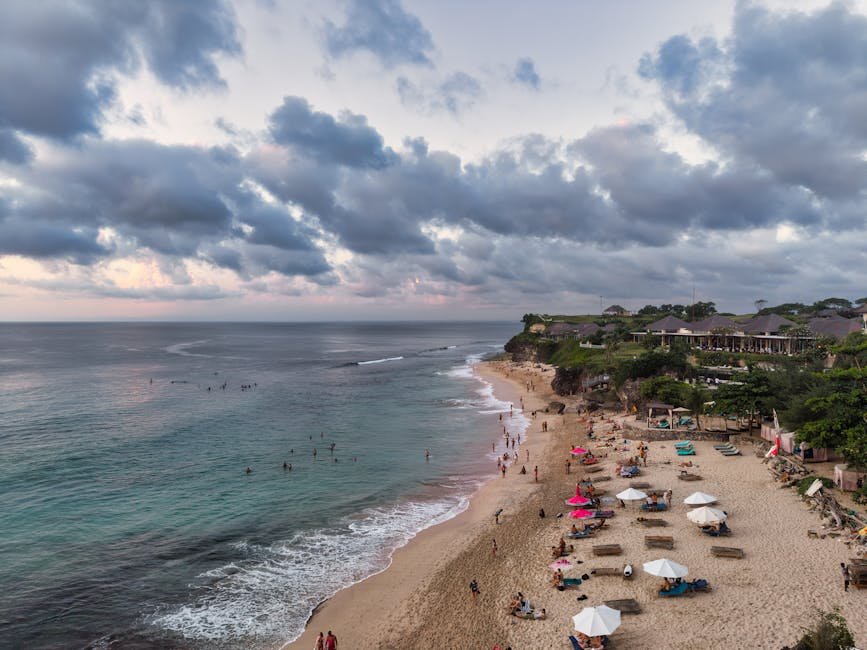
If you love clear skies and warm days, the dry season is your playground. From May to October, the island sees less rain, lower humidity, and sunshine that lasts most of the day. Temperatures sit between 20 °C and 31 °C, which feels just right for beach time or a hike up a volcano.
Why it works for Aussie travellers: July and August line up with our winter holidays, so many families and students head down. That means crowds peak, but the weather stays perfect for outdoor fun.
Here are three quick tips to make the most of the dry season:
- Book early. Flights and hotels fill up fast, especially in July.
- Pack light. Breathable cotton or linen keeps you cool, and a light jacket helps with cooler evenings.
- Plan your surf spots. Head to Uluwatu or Padang Padang for the biggest swells.
Because the dry months are popular, prices are higher. Look for deals on Virgin Australia’s flight tracker and book at least six weeks ahead.
And if you prefer a quieter vibe, aim for May, September, or October. Those shoulder months still give you sunny days, but fewer crowds and better rates.
We also recommend checking out the local festivals during the dry season. The Bali Arts Festival and Kite Festival draw crowds, but they also showcase the island’s culture in full colour.
For a deeper dive on weather patterns, visit Virgin Australia’s dry‑season page. It breaks down rain chances, humidity, and the best beach clubs to hit.
And remember, the best time to visit Bali from Australia isn’t a one‑size‑fits‑all answer. Think about what matters most: the sun, crowds, or cost, and pick the month that lines up.
2. Shoulder Months (May & September), Balanced Crowds
May and September sit right between the peak and off‑peak periods. You still get the dry‑season sunshine, but the tourist numbers dip enough to keep prices reasonable.
Why they shine for Aussie travellers: Both months sit after the Australian school break in April and before the July holidays. That means many families travel later, leaving more room for solo backpackers and couples.
Practical steps to lock in the best deals:
- Set price alerts on flight sites at least two months before you plan to go.
- Look for accommodation packages that bundle tours; you’ll save up to 15%.
- Choose a central base like Ubud in May, then shift to the coast in September for a change of scene.
May also marks the start of the Bali Arts Festival, giving you a taste of culture without the August crowds. In September, the weather remains warm (average 28 °C), and the sea is still great for snorkelling.
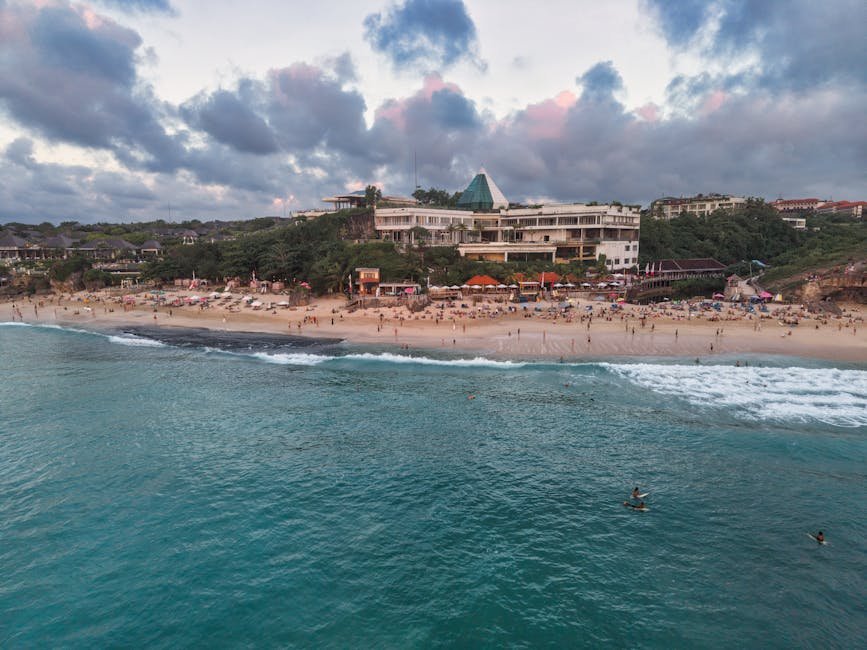
For a visual feel of what May looks like, imagine bright rice terraces under a clear blue sky. You’ll hear fewer motorbikes, and the island feels relaxed.
Check the official travel calendar on Virgin Australia’s season guide for exact dates of festivals and any public holidays that might affect prices.
And if you’re planning a road trip around the island, May’s cooler evenings let you ride a scooter comfortably. Just remember to wear a helmet and keep your bike insured.
 Overall, the shoulder months give you the sweet spot of great weather, lower costs, and a slice of local life that’s harder to find in the high season.
3. Wet Season Highlights (November, March), Lush Landscapes
The wet season brings rain, but it also paints the island in fresh green. If you don’t mind a quick shower, you’ll be rewarded with fewer tourists and lower prices.
The temperature stays warm, around 22 °C to 31 °C, so you won’t feel cold. The real change is the humidity, which climbs above 75 % and the rain, which can total 300‑350 mm in January.
Here are three reasons to consider the wet months:
- Budget‑friendly.Flights and hotels drop up to 30% compared to the dry season.
- Lush scenery. Waterfalls like Sekumpul and rice terraces are at their most vibrant.
- Indoor culture. Museums, temples, and yoga retreats are less crowded, letting you soak up Balinese spirituality.
For a practical packing list, think quick‑dry shirts, a sturdy poncho, and waterproof shoes. A small umbrella is handy for sudden showers.
Even though rain can be heavy, it usually passes quickly. You’ll still get around 5‑6 hours of sunshine each day, enough for a mid‑day beach dip or a sunrise hike.
Travellers who love photography love the wet season because the light is soft and the mist creates dramatic shots of the mountains.
Read more about the month‑by‑month breakdown on Virgin Australia’s climate guide. It shows exact rainfall numbers for each month, so you can plan around the drier days.
Another tip: schedule any river rafting or waterfall hikes for the early morning when the trails are dry, and the waterfalls are roaring.
Even in the wet season, the best time to visit Bali from Australia can be a smart choice if you value cost savings and vivid scenery over packed beaches.
4. Surfing Season (June, September), Wave Watch
Surf lovers, listen up. The island’s surf season peaks from June through September. During these months, the Indian Ocean sends steady swells to the west coast, giving you clean, glassy waves.
Uluwatu, Padang Padang, and Canggu are the hot spots. The swells range from head‑high for seasoned riders to waist‑high for beginners, especially early in June.
Gear checklist:
- Board that matches your skill level, a shortboard for fast barrels, and a fish for smaller days.
- Reef booties if you’re hitting reef breaks.
- Tropical surf wax (27‑29 °C water temperature).
Safety first: always check tide charts and respect local surf etiquette. The crowds can get dense in July and August, so early morning sessions are the quietest.
Here’s a step‑by‑step to plan your surf days:
- Pick a surf spot based on your skill level.
- Check the daily surf forecast on a local site or app.
- Arrive at the break at least 30 minutes before the best tide.
- Warm up with a quick jog and stretch.
- Surf, then cool down with a short stretch.
For a deeper look at wave conditions, visit Kima Surf’s season page. It explains how offshore winds shape the waves.
Another solid resource is Sundae Surf’s surf season article, which breaks down which suits beginners versus pros.
Even if you’re not a surfer, watching the sunrise over a surf break is a magical moment that makes any Bali trip worth it.
5. Cultural Festivities (July & August), Festival Fun
July and August aren’t just about beach crowds. They also host Bali’s two flagship events: the Bali Arts Festival and the Kite Festival. Both draw locals and tourists alike, filling the island with music, dance, and colourful kites.
The Arts Festival runs for three weeks in June‑July, showcasing traditional dance, theatre, and visual art. Expect performances in Ubud’s town square and open‑air concerts in Seminyak.
The Kite Festival takes place in Padang Galak, usually in mid‑July. The sky fills with giant kites, and there are workshops where you can try flying one yourself.
Why these festivals matter for Aussie travellers: They give you a taste of Balinese culture that you can’t get in quieter months. Plus, the events line up with school holidays, so families often travel together, creating a lively vibe.
Tips to enjoy the festivals without the stress:
- Book accommodation at least a month ahead; rooms fill fast.
- Arrive early at the main stages to snag good seats.
- Wear modest clothing for temple visits that are part of the festival route.
For more on why these months are popular, read Responsible Travel’s guide on the best time to visit Bali. It explains how festivals drive tourist peaks.
Even if you’re not into large crowds, you can still catch a smaller performance in a local village. Those shows feel more intimate and give you a chance to chat with residents.
Remember, the best time to visit Bali from Australia during festival months means you’ll need to plan logistics early; transport, tickets, and meals can be booked out weeks in advance.
6. Our Pick: Early May, Ideal Blend for Australian Travellers
After weighing weather, crowds, cost, and culture, we land on early May as the top slot for most Aussie travellers.
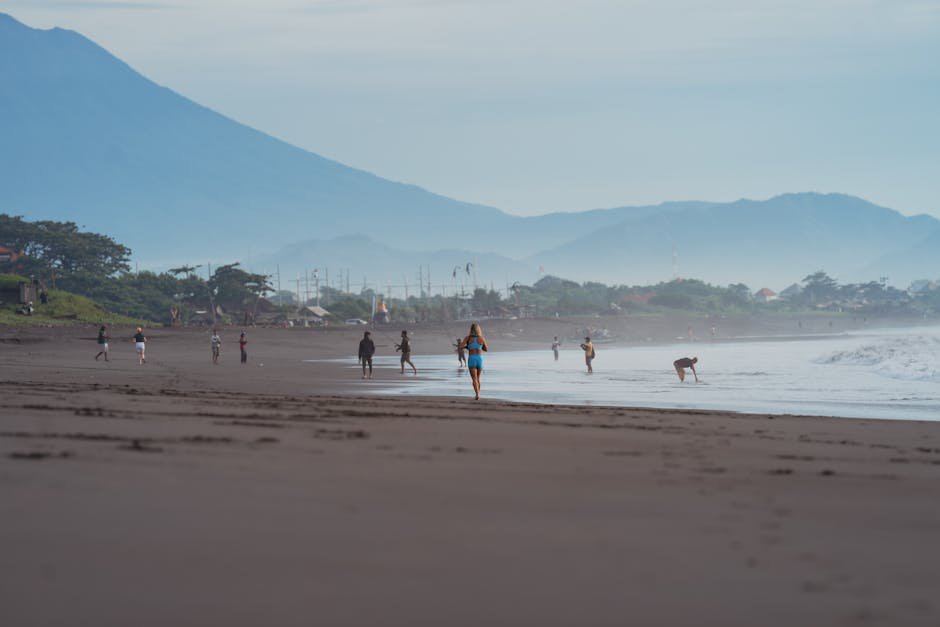
Here’s why:
Step‑by‑step plan for an early May trip:
- Set a flight alert on a price‑comparison site and book as soon as a deal drops.
- Reserve a villa in Seminyak for the first three nights, and enjoy beach clubs without the crowds.
- Spend day four in Ubud, joining a cooking class that aligns with the Arts Festival schedule.
- Take a day trip to the northern waterfalls when the rain is light, and the scenery is vivid after the wet season.
- Wrap up with a surf session at Canggu, where May swells are gentle enough for beginners.
For a full breakdown of May’s weather trends, see Wise’s travel guide on the best time to visit Bali from Australia. It confirms that June is the peak, but May offers a near‑identical climate with fewer people.
Another useful resource for budgeting tips, it outlines how to lock in lower exchange rates and avoid foreign transaction fees while you’re on the island.
In short, early May gives you the sweet spot of sunshine, savings, and cultural flavour. It’s the answer to the question many Australians ask: when can I have the best of Bali without the price tag?
Conclusion
Choosing the best time to visit Bali from Australia depends on what you value most. The dry season shines with sun and surf but brings crowds. The shoulder months balance weather and price. The wet season offers lush scenery and deep savings. Festivals add a cultural boost in July‑August, while early May gives you the perfect mix of all three.
Take the tips in this guide, match them to your travel style, and book with confidence. Whether you’re chasing waves, culture, or calm, Bali has a season that fits.
Ready to plan? Start by checking flight deals now and lock in your dates. Happy travels!
FAQ
What is the average temperature during the dry season?
The dry season runs from May to October and sees temperatures between 20 °C and 31 °C. Most days feel warm but not oppressive, making it ideal for beach days, hikes, and outdoor meals. Expect low humidity and clear skies, which is why many travellers call it the best time to visit Bali from Australia for sun‑seekers.
Do I need a visa to travel to Bali from Australia?
Yes. Australian citizens can get a visa on arrival for stays up to 30 days. You’ll pay a small fee at the airport, and the visa can be extended once for another 30 days. Make sure your passport is valid for at least six months beyond your travel dates.
How can I save money on flights?
Search for fares six weeks to eight months ahead, set price alerts, and travel in the shoulder months of May or September. Airlines often run sales in the Australian winter, and booking early gives you the best chance at a low fare.
Is it safe to surf in the wet season?
Surfing in the wet season is safe for beginners, as waves are smaller and more forgiving. The east coast spots like Sanur and Nusa Dua get gentle swells, and you’ll avoid the crowds of the peak dry months. Always check local surf reports and respect tide changes.
What cultural events should I plan around?
The Bali Arts Festival and the Kite Festival are the two flagship events that draw crowds in July and August. They showcase dance, music, and colourful kites across the island. If you want to experience Balinese culture fully, aim for these months, but book accommodation early.
Will I see a lot of rain in the wet season?
Rainfall peaks in January with about 350 mm, but showers are usually brief. You’ll still get around five to six hours of sunshine each day. Pack a lightweight poncho, plan indoor activities like temple visits, and enjoy the lush green scenery that follows the rain.
Are there any health precautions I should take?
Stay hydrated, use sunscreen, and bring insect repellent for evenings in the wet season. Drink bottled or filtered water, and avoid raw salads from street stalls if you have a sensitive stomach. A basic travel insurance policy that covers medical emergencies is also wise.
Can I rent a scooter as an Australian traveller?
Yes. Scooter rentals are cheap and plentiful. Choose a reputable shop, wear a helmet, and make sure the bike is insured. If you’re new to riding on busy streets, consider a guided ride or stick to quieter backroads.
- The weather is dry and warm, with an average of 28 °C, just a shade cooler than the high season.
- Crowds are low, you’ll find empty beach bars and short lines at popular attractions.
- Prices are still off‑peak, flights and hotels are 15‑20% cheaper than in July.
- Festivals are just kicking off, so you can catch the opening night of the Bali Arts Festival without the July crush.