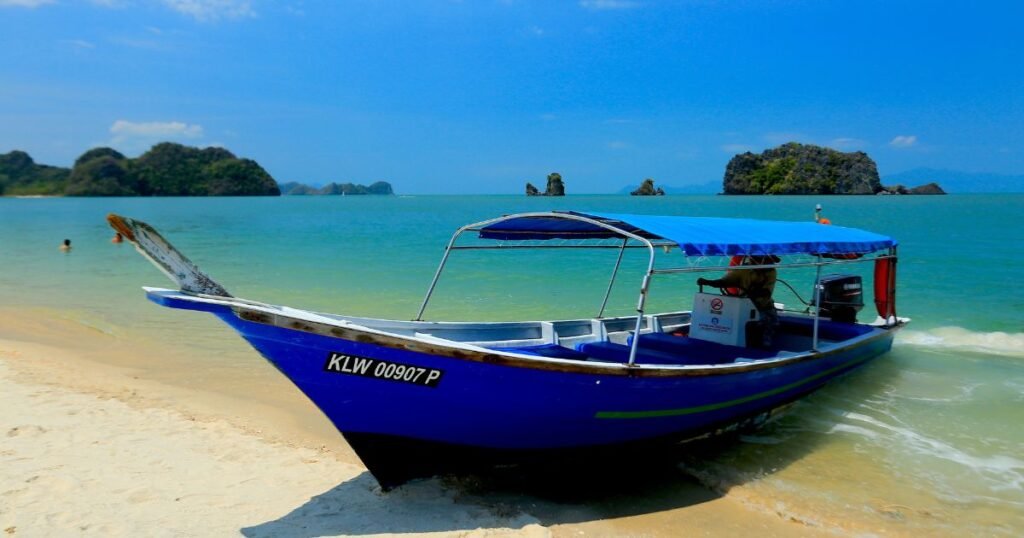
Imagine stepping off a small ferry onto an island where the pace of life slows right down, the seafood is sensationally fresh, and the beaches are blissfully uncrowded. No towering resort complexes, no heaving tourist crowds — just swaying palms, warm turquoise water, and the gentle hum of a traditional fishing village going about its day. That’s Pangkor Island in a nutshell, and honestly? It might just be Malaysia’s most underrated escape. If you’re planning a trip and looking for the best things to do in Pangkor Island, you’ve landed in exactly the right place.
Sitting just off the west coast of Peninsular Malaysia, Pangkor is a short 15–30 minute ferry ride from the mainland town of Lumut — and yet it feels worlds away from the rush of Kuala Lumpur or even the busy streets of Georgetown in Penang. It’s the kind of destination that rewards travellers who venture beyond the well-worn tourist trail, and we reckon it deserves a serious spot on your Malaysia travel itinerary.
Things to Do in Pangkor Island: Beaches, Culture, and Everything In Between
Pangkor isn’t huge — you can circle the island in a day — but what it lacks in size it more than makes up for in variety. Whether you’re after a lazy sun-soaked afternoon on the sand, a fascinating cultural detour, or an active day out on the water, this little island delivers.
Explore the Beaches (And Pick Your Favourite)
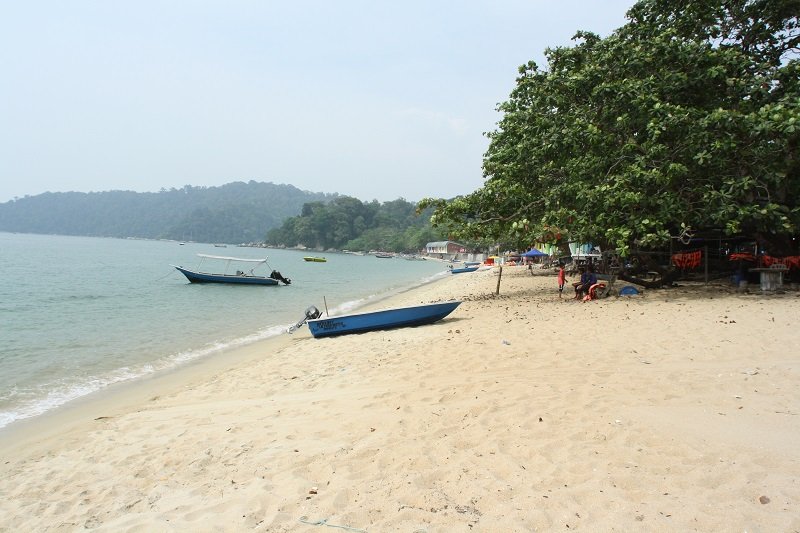
The beaches are the obvious drawcard, and Pangkor has several that each offer their own distinct vibe.
- Teluk Nipah Beach is the most popular with travellers and for good reason — it’s great for swimming, lined with guesthouses and seafood joints, and comes alive in the evening with fire shows on the sand.
- Pasir Bogak Beach is slightly more developed and a solid choice if you want easy access to restaurants and beach activities.
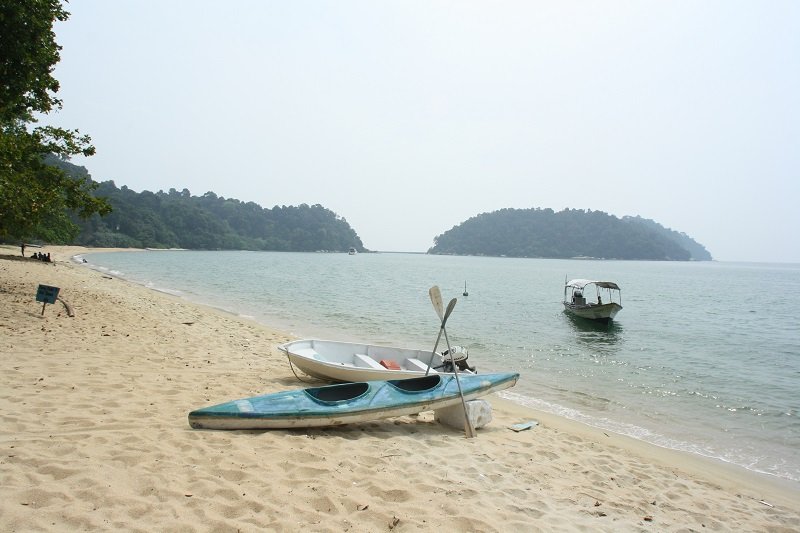
- Coral Beach is the one to head to if you’re after peace and quiet. It’s the most secluded spot on the island, and at low tide you can reportedly walk across to tiny Giam Island — a real highlight if the timing works out.
- Teluk Batik Beach and Pantai Teluk Ketapang round out the options, both worth a visit if you’re doing a full island loop.
Our honest advice? Don’t just plant yourself at one beach all day. Pangkor is small enough that beach-hopping is genuinely easy — especially if you hire one of the pink taxi vans available at the jetty (more on that below).



Visit the Masjid Al-Badr — Pangkor’s Floating Mosque
One of the most visually striking things to do in Pangkor Island is visiting the Masjid Al-Badr, a beautiful mosque built in 2016 that sits on stilts over the water. The effect is stunning — especially at sunrise or sunset when the light catches the white walls and reflects off the sea below.
Inside, there are over 1,000 Arabic engravings decorating the walls, making it as impressive architecturally as it is spiritually significant. As with all mosques in Malaysia, dress respectfully — cover your shoulders and knees, and you’ll be warmly welcomed.
Step Back in Time at the Dutch Fort
History lovers, this one’s for you. The Dutch Fort (Kota Belanda) is a 17th-century colonial relic that tells the story of Pangkor’s surprisingly significant past. The Dutch built it to control the booming tin trade coming out of the Malay Peninsula — and while it’s now largely in ruins, the remaining walls are atmospheric and well worth exploring.
It’s a nice counterpoint to Pangkor’s beach-and-seafood reputation, and a reminder that this quiet little island was once a place of serious strategic importance.
Discover Fu Lin Kong Temple
Tucked away on the island is the Fu Lin Kong Temple, a Taoist place of worship that’s been standing for over 100 years. What makes it particularly memorable — and frankly quite delightful — is the miniature replica of the Great Wall of China built into the temple gardens. It sounds quirky, and it is, but it’s also genuinely charming.
The Lin Je Kong Temple is another cultural stop worth adding to your list if you have time. Together, these sites reflect the strong Chinese community history that has shaped so much of Peninsular Malaysia’s cultural fabric — something you’ll also discover in depth if you spend time in Penang or Ipoh.
Get Out on the Water
If you’re an active traveller, Pangkor’s surrounding waters are your playground. The island offers:
- Snorkelling and kayaking around the coastline
- Island-hopping tours to nearby smaller islands
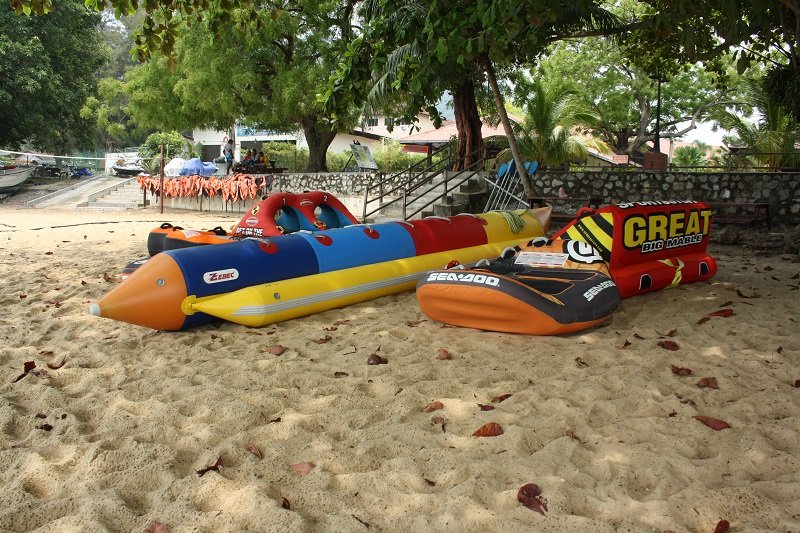
- Jet skiing for those who want a bit of adrenaline with their ocean views
The snorkelling around Pangkor won’t rival the Perhentian Islands on the east coast, but it’s still a lovely way to spend a morning — and the island-hopping trips give you a real sense of just how beautiful this stretch of coastline is.
Feed the Hornbills at Sunset
This one is a genuine hidden gem. Near Teluk Nipah Beach, locals gather most evenings — usually around 6:30–7:00 PM — to feed the wild hornbills that come in at dusk. It’s free, it’s magical, and it’s the kind of unexpected wildlife encounter that you’ll be telling people about for months. Don’t miss it.
Visit a Fishing Village and Sample the Local Snacks
Pangkor’s identity is deeply tied to the sea, and a visit to one of the island’s traditional fishing villages gives you an authentic window into that way of life. Watch the boats come in, chat with the locals if you can, and keep an eye out for seafood processing factories where you can sample fish satay and other local snacks. It’s a world away from anything you’d find at a tourist stall, and the flavours are outstanding.
Where to Stay on Pangkor Island
Accommodation on Pangkor runs the full spectrum — from simple guesthouses to one of the most luxurious private island resorts in all of Southeast Asia.
| Type | Options | Notes |
|---|---|---|
| Budget / Mid-range | Hotel the Island, Pangkor Pop Ash Hotel, Hotel Nelayan, Nipah Bay Villa, Kejora Garden Resort | All well-located for beach access |
| Eco / Boutique | Alun Retreat | Unique container-style rooms, solar-powered, great for eco-conscious travellers |
| Upscale Nearby | DoubleTree by Hilton Damai Laut (Lumut) | On the mainland but a solid splurge option with spa and themed pools |
| Luxury | Pangkor Laut Resort | Private island, 5-star villas, ancient rainforest setting, private ferry — genuinely world-class |
Pangkor Laut Resort deserves a special mention. This is the resort that put Pangkor on the international map — it’s a private island unto itself, featuring luxury villas perched over the water or nestled in ancient jungle, gourmet dining, and the kind of stillness that’s genuinely hard to find anywhere else. It requires a minimum two-night stay and comes with a price tag to match, but if you’re celebrating something special, few places in Malaysia come close.

Where to Eat: Fresh Seafood and Local Favourites
Food on Pangkor Island is simple, honest, and incredibly fresh. Being a fishing community at heart, the seafood is the obvious star of the show — grilled fish, steamed prawns, chilli crab — it’s all here and most of it costs a fraction of what you’d pay back home.
Some well-regarded spots to check out include:
- Restoran Pasir Bogak and Chao Sheng Seafood Restaurant for fresh local seafood
- Sandy Spoon for a more relaxed café-style setting
- Fook Heng Kopitiam for a classic Malaysian breakfast with kopi and toast
- Island Curry House for a solid curry fix
- Fisherman’s Cove for a scenic spot with views to match the food
How to Get to Pangkor Island
Getting to Pangkor is straightforward and genuinely affordable.
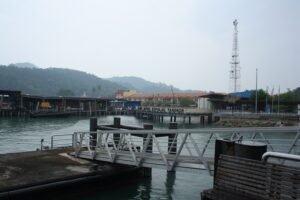


The main access point is the Marina Island Jetty Complex in Lumut, which is approximately 250 km from Kuala Lumpur, 90 km from Ipoh, and 180 km from Penang. From Lumut, regular ferries make the crossing in 15–30 minutes.
- Adult ferry ticket: RM 10.80 one way
- Child ferry ticket: RM 5.00 one way
If you’re coming from KL, you can catch a bus or drive to Lumut and then hop on the ferry. It’s also a natural stop to build into a wider West Coast Malaysia road trip — particularly if you’re already exploring Ipoh or heading up toward Penang.
Once on the island, the pink taxi vans stationed at Pangkor Jetty are your best friend. You can hire one for a full day of island exploration, which is genuinely the most convenient and affordable way to get around.
Practical Tips for Visiting Pangkor Island in 2026
- Stay at least one night. A day trip is doable, but you’ll barely scratch the surface. Two nights gives you the chance to properly relax and explore.
- Hire a pink taxi van. It’s the easiest way to circle the island and hit multiple beaches and attractions in a day. Agree on a price upfront.
- Time your hornbill visit. Head to the Teluk Nipah Beach area at around 6:30–7:00 PM for the free hornbill feeding. It’s one of Pangkor’s best experiences and costs nothing.
- Explore at low tide. At low tide, you can walk from Coral Beach toward Giam Island — check the tide times before you go.
- Visit temples and mosques respectfully. Dress modestly — covered shoulders and knees — and visit during off-peak hours to enjoy them in peace.
- Bring cash. While Pangkor is developing, it’s still a small island and not everywhere accepts cards. ATMs are limited, so withdraw before you arrive.
- Check the weather. The west coast of Malaysia is generally best visited between November and March, when the sea is calmer and rain is less likely.
Pangkor Island: The Perfect Malaysian Island Escape
There’s something genuinely refreshing about a destination that hasn’t been overrun by mass tourism — and right now, Pangkor Island is still that place. The things to do in Pangkor Island range from lazing on secluded beaches and feeding wild hornbills at dusk, to exploring centuries-old forts and temples, eating extraordinary seafood, and — if your budget stretches — checking into one of Southeast Asia’s finest private island resorts. It’s a destination that works for solo travellers, couples, families, and anyone who simply wants to slow down for a few days in a beautiful corner of Malaysia.


Best of all, Pangkor slots beautifully into a broader Malaysian adventure. It pairs perfectly with a stop in Ipoh to the north — one of Malaysia’s most underrated cities — or a longer stay exploring the cultural riches of Georgetown and Batu Ferringhi in Penang.
Ready to start planning? Head over to our Malaysia destination guide for more inspiration, itinerary ideas, and tips on making the most of this incredible country. Malaysia really does have it all — and Pangkor Island is one of its best island destinations.
Related Content:
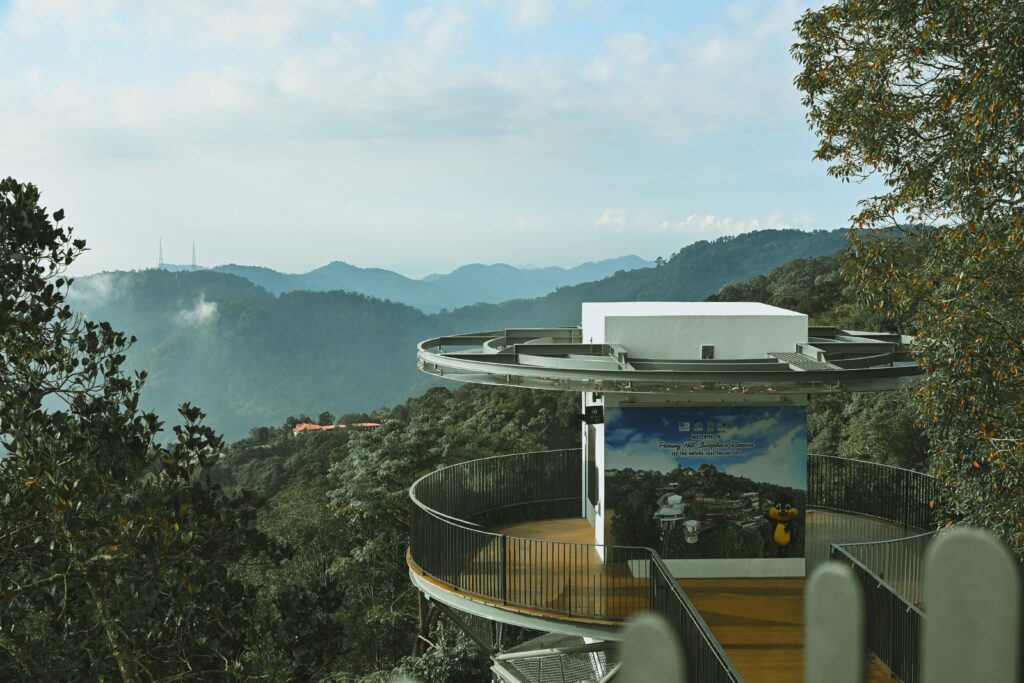
Penang Hill: Complete Guide to Bukit Bendera & The Habitat
Imagine standing above the clouds, watching the first light of morning wash over George Town’s…
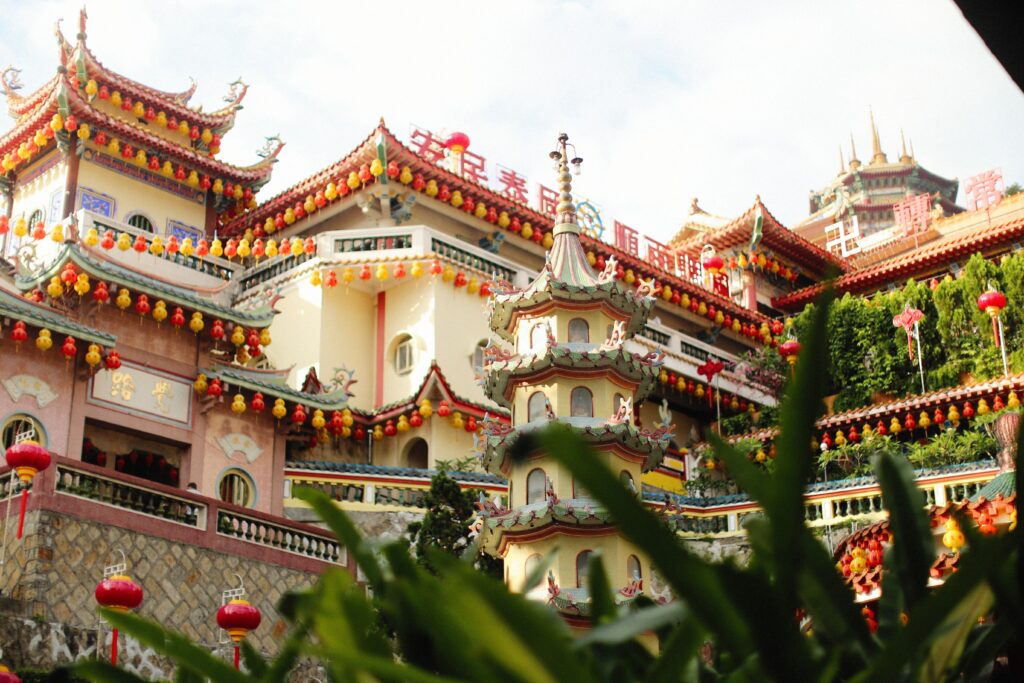
Kek Lok Si Temple Penang: Everything You Need to Know Before You Visit
Perched dramatically on a hillside in Air Itam, Kek Lok Si Temple Penang is the…
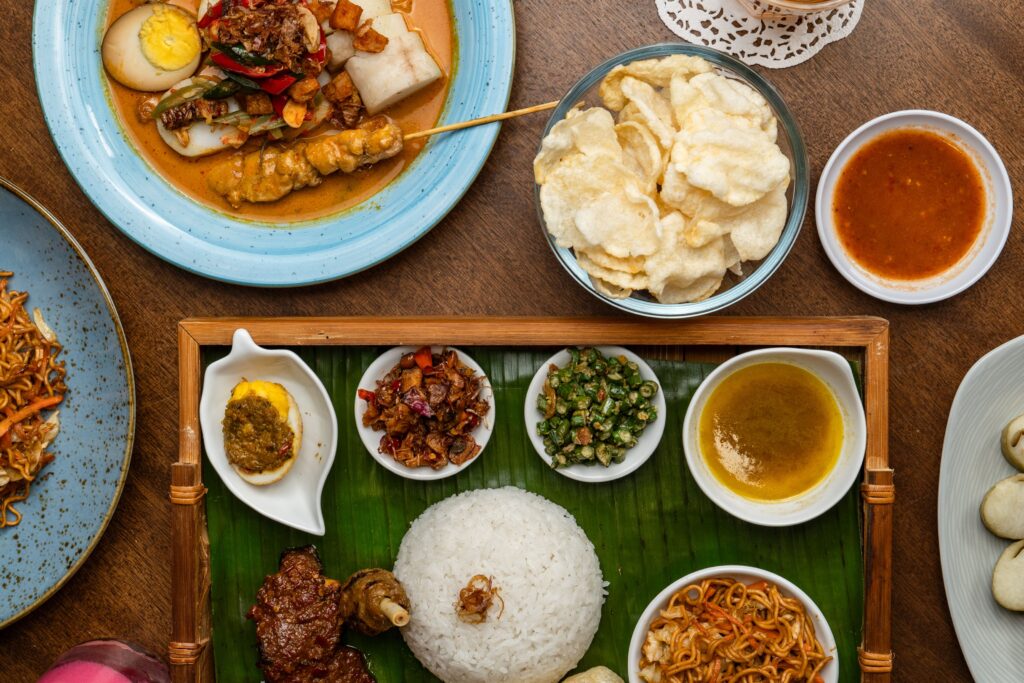
Nyonya Cuisine in Penang: A Guide to Peranakan Food & Where to Eat It
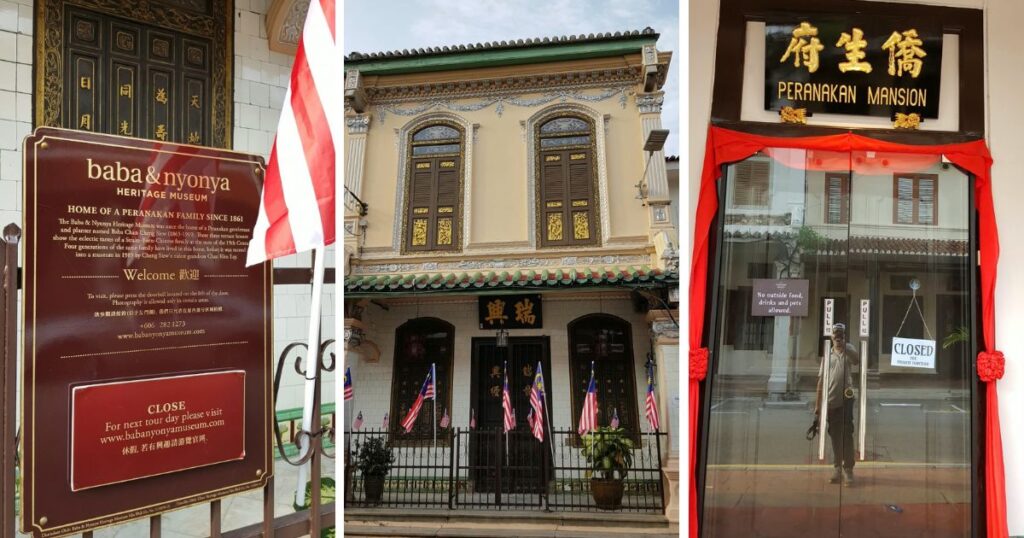
Peranakan Culture in Melaka: Baba & Nyonya Heritage Museum Guide
I went to Melaka expecting good food and old shophouses. What I didn’t expect was…

Bangkok BTS, MRT Guide & Airport Transfers Explained
Bangkok BTS Guide Bangkok’s traffic has a reputation for a reason — a trip that…

Bangkok Day Trips: Ayutthaya, Ko Kret & Amphawa for First-Timers
Bangkok Day Trips A few days into any Bangkok trip, the traffic, the heat, and…
Penang Hill: Complete Guide to Bukit Bendera & The Habitat
Imagine standing above the clouds, watching the first light of morning wash over George Town’s…
Kek Lok Si Temple Penang: Everything You Need to Know Before You Visit
Perched dramatically on a hillside in Air Itam, Kek Lok Si Temple Penang is the…
Nyonya Cuisine in Penang: A Guide to Peranakan Food & Where to Eat It
Peranakan Culture in Melaka: Baba & Nyonya Heritage Museum Guide
I went to Melaka expecting good food and old shophouses. What I didn’t expect was…
Bangkok BTS, MRT Guide & Airport Transfers Explained
Bangkok BTS Guide Bangkok’s traffic has a reputation for a reason — a trip that…
Bangkok Day Trips: Ayutthaya, Ko Kret & Amphawa for First-Timers
Bangkok Day Trips A few days into any Bangkok trip, the traffic, the heat, and…
Penang Hill: Complete Guide to Bukit Bendera & The Habitat
Imagine standing above the clouds, watching the first light of morning wash over George Town’s…
Kek Lok Si Temple Penang: Everything You Need to Know Before You Visit
Perched dramatically on a hillside in Air Itam, Kek Lok Si Temple Penang is the…
Nyonya Cuisine in Penang: A Guide to Peranakan Food & Where to Eat It
Peranakan Culture in Melaka: Baba & Nyonya Heritage Museum Guide
I went to Melaka expecting good food and old shophouses. What I didn’t expect was…
Bangkok BTS, MRT Guide & Airport Transfers Explained
Bangkok BTS Guide Bangkok’s traffic has a reputation for a reason — a trip that…
Bangkok Day Trips: Ayutthaya, Ko Kret & Amphawa for First-Timers
Bangkok Day Trips A few days into any Bangkok trip, the traffic, the heat, and…