Best Time to Visit Thailand: Month-by-Month Guide
There’s a moment on every Thailand trip when you either think “wow, this weather is perfect” or “why didn’t anyone warn me about this humidity?” — and which one you get largely comes down to timing. We’ve had both experiences, sometimes on the same trip, and it taught us that figuring out the best time to visit Thailand isn’t just a nice-to-know detail; it’s the difference between a holiday that flows effortlessly and one where you’re sheltering under a market stall waiting out a downpour with your flip-flops full of water. The good news? Thailand is a year-round destination, and once you understand how its three seasons actually work, you can pick a window that suits your budget, your bucket list, and your tolerance for crowds.
This guide breaks Thailand’s climate down month by month, tells you what’s actually happening on the ground during each season, and helps you match your trip dates to what matters most to you — whether that’s cheap flights, empty beaches, or front-row seats to Loi Krathong.
Understanding Thailand’s Three Seasons
Unlike Australia, Thailand doesn’t really have four seasons — it has three, and they’re defined by rainfall and heat rather than temperature swings. Once this clicks, planning gets a lot easier.
- Cool and dry season (November–February): The most comfortable stretch of the year, and understandably the busiest.
- Hot season (March–April): Still dry, but the heat cranks up noticeably, especially inland.
- Rainy/monsoon season (May–October): Warm, wet, and lush, with rainfall intensity varying by region.
Here’s the thing though — Thailand is a big country, and weather doesn’t behave identically in Bangkok, Chiang Mai, and Phuket at the same time. Broadly, this three-season pattern holds nationwide, but the south (think Phuket, Krabi, Koh Samui) can see rain patterns shift slightly compared to the north. Keep that in mind if you’re bouncing between regions on one trip.
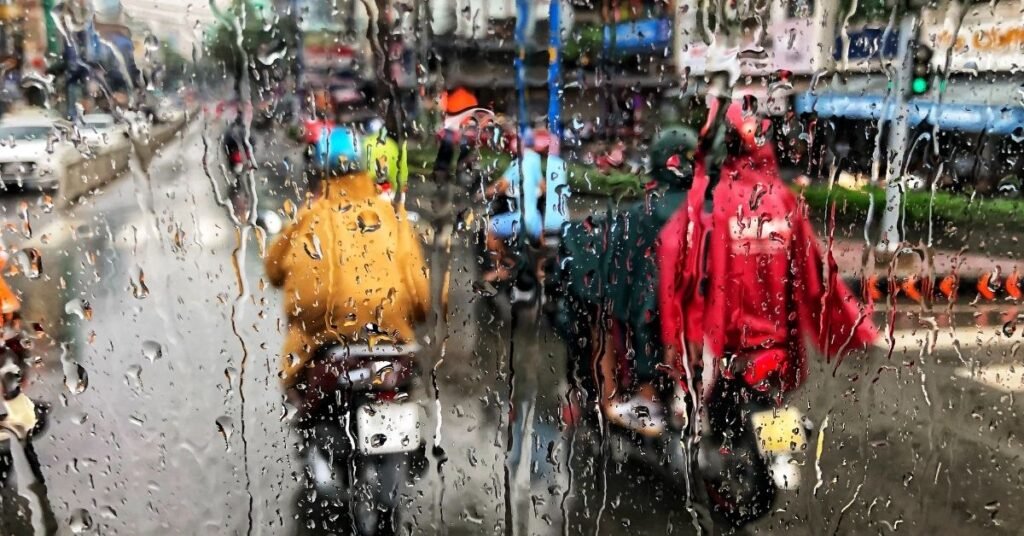
A rainy day in Bangkok
Best Time to Visit Thailand: The Month-by-Month Breakdown
November to February: Peak Season, Peak Comfort
If you ask us straight up, November through February is the best time to visit Thailand for most travellers. Temperatures sit in a very manageable 29-34°C range, humidity drops, skies are clear, and rainfall is minimal. It’s the sweet spot for pretty much everything — lounging on beaches, hiking through jungle in the north, wandering temple complexes without melting, and island hopping without a poncho in your daypack.
This is also when Thailand’s calendar gets genuinely festive. Loi Krathong in November sees thousands of glowing lanterns released into rivers and skies across the country — it’s one of those experiences that photos never quite do justice. Head north in February and you’ll catch the Chiang Mai Flower Festival, when the city bursts into colour with floral parades and elaborate displays (our Chiang Mai guide covers this season in more detail if you’re planning around it).
The catch, unsurprisingly, is that everyone else knows this too. Flights and accommodation climb to their highest prices of the year, and popular spots like the Grand Palace in Bangkok or the Phi Phi Islands can feel more crowded than you’d like. Book ahead — well ahead if you’re travelling around Christmas or New Year.

Travelling to Thailand in peak season
March to April: Hot, Bright, and Getting Busy With Water
March and April extend the dry weather but dial up the heat considerably — this is when Thailand earns its reputation for being genuinely, properly hot. It’s still a good window for beach time (arguably the best time for actually being in the water rather than just near it), but midday temple-hopping in Bangkok can feel punishing.
April is impossible to talk about without mentioning Songkran, Thailand’s world-famous water festival marking the traditional New Year. If you don’t mind being drenched by strangers with water guns on every street corner, it’s an absolute riot and one of the most fun times to be in the country. If you’d rather stay dry, plan your movements carefully or consider a different month altogether.

A clear day in October on Karon Beach, Phuket
October: The Shoulder Season Sweet Spot
If we had to pick an underrated month, it’s October. This is the tail end of the rainy season, and while you might still catch a shower or two, the landscape is at its most lush — waterfalls are running full, the countryside is vividly green, and everything feels rejuvenated after months of rain.
October also comes with real practical upside: fewer tourists, noticeably lower accommodation rates, and a more relaxed, authentic pace to your trip. You’ll also catch some genuinely interesting cultural moments, including the Vegetarian Festival in Phuket (a striking, sometimes intense event involving processions and elaborate rituals) and the beginnings of Chiang Mai’s lantern festivities. For travellers wanting a taste of peak-season beauty without the peak-season price tag or crowds, October is well worth considering.

A boat tour to Phi Phi Island in October
May to September: Low Season, Big Value
Here’s where a lot of first-time visitors get nervous, and we get it — “monsoon season” doesn’t sound appealing on paper. But the reality is more nuanced. Rain in Thailand during this period tends to arrive in short, heavy bursts rather than all-day washouts, especially earlier in the season (May and June). By August through October, rainfall becomes more consistent and widespread.
What you get in exchange is significant:
- Noticeably lower prices on flights and hotels
- Fewer tourists, meaning shorter queues and more breathing room at popular sites
- Lush, vivid landscapes — genuinely gorgeous for photography
- A more low-key, local pace of life
If your holiday plans lean toward spas, markets, cooking classes, museums, and long lunches rather than beach days, the wet season is honestly a smart, budget-friendly choice. Just build some flexibility into your itinerary and pack accordingly.
Seasonal Pricing and Crowds at a Glance
Here’s a quick snapshot to help you weigh up your options:
| Season | Months | What to Expect |
|---|---|---|
| High Season | November–April | Best weather, biggest crowds, premium prices |
| Shoulder Season | October & late April | Balanced costs, moderate crowds, decent weather |
| Low Season | May–September | Lowest prices, fewest tourists, regular rainfall |
Best Time to Visit Thailand for Specific Interests
Different priorities call for different timing. Here’s how we’d break it down:
- Beach and island lovers: Aim for November to April, particularly if you’re heading to spots like Phuket or the Phi Phi Islands — check out our guide to the best things to do in Phuket for ideas on what to pack your days with once you’re there.
- Budget travellers: May to September delivers the biggest savings, especially on accommodation.
- Festival chasers: November (Loi Krathong) and April (Songkran) are unmissable if you can time your trip around them.
- Trekking and nature lovers: October’s lush landscapes are hard to beat, and the cooler months from November to February are far more comfortable for hiking than the hot season.
- First-time visitors wanting it “easy”: November to February, hands down — the weather does you a lot of favours.
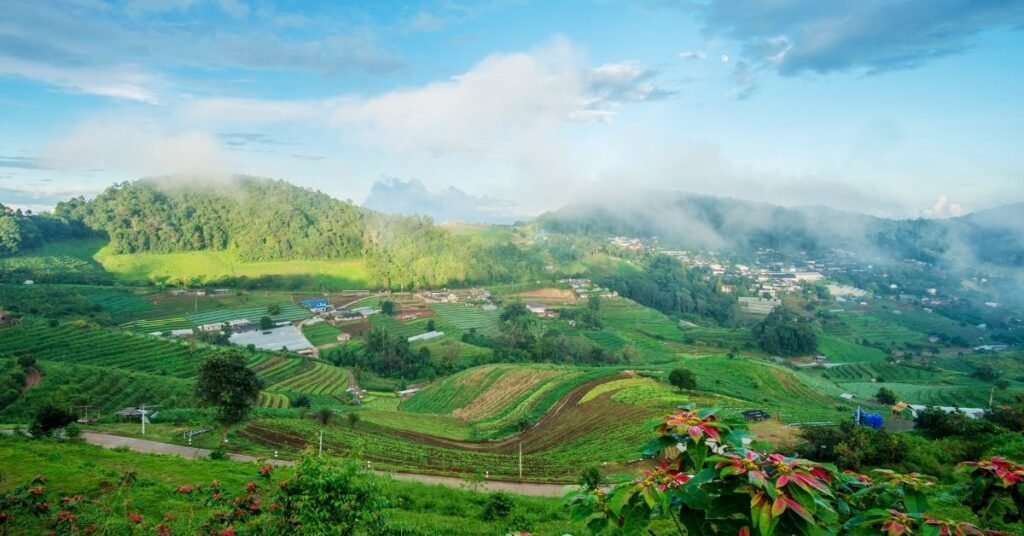
Chiang Mai Thailand
Practical Tips for Timing Your Trip
A few honest, practical notes we wish someone had told us before our first Thailand trip:
- Book accommodation early for November–February travel. Prices rise sharply and popular guesthouses in places like Georgetown-style old towns and beach resorts fill up months in advance.
- Pack for the season, not just “hot country” generally. For the cool/dry months, bring breathable fabrics, a hat, sunglasses, and high-SPF sunscreen. For October or the rainy season, prioritise quick-dry clothing, a decent insect repellent, and a waterproof bag for your phone and camera.
- Regional weather varies — check before you commit to a route. The south (Phuket, Krabi) and the north (Chiang Mai) don’t always follow identical rainfall patterns, so if your itinerary spans both, do a quick check closer to your travel dates.
- Songkran travellers, plan your logistics. Roads and public spaces get genuinely wild during the water festival — factor in extra time for getting around, and protect your electronics.
- Shoulder season is underrated for value. If flexible dates matter more to you than guaranteed sunshine, October deserves serious consideration.
- Always have a rain-day plan in wet season. Museums, cooking classes, spa treatments, and indoor markets make excellent backups when the skies open up.
Final Thoughts on the Best Time to Visit Thailand
At the end of the day, there’s no single “correct” answer to the best time to visit Thailand — it really depends on what kind of trip you’re after. Want guaranteed sunshine, festival vibes, and postcard-perfect island days? Go November to February and book early. Chasing value, fewer crowds, and lush green scenery? October or the low season months will treat you well. Either way, Thailand rewards visitors in every season — it’s just a matter of knowing what you’re walking into.
If you’re still mapping out your itinerary, have a browse through our Thailand destination hub for more region-specific guides, or dive straight into our best things to do in Phuket if beaches and island-hopping are already on your radar. Happy planning — and safe (and sunny, or at least dry-ish) travels!