Discover the Enchanting Intramuros in Manila
As I delve into the rich tapestry of history that surrounds Intramuros, I find myself captivated by its origins. Established in the late 16th century, this fortified district in Manila was constructed by the Spanish colonial government as a means to protect the city from foreign invasions. The name “Intramuros,” which translates to “within the walls,” aptly describes its purpose and design.
The walls, made of stone and brick, were not merely a defensive structure; they symbolised the power and authority of Spain in the Philippines. I can almost envision the bustling streets filled with traders, soldiers, and settlers, all contributing to the vibrant life that thrived within these walls. As I explore further, I learn that Intramuros was not just a military stronghold but also a cultural hub.
It became the centre of governance, education, and religion during the Spanish era. The establishment of various institutions, such as the San Ignacio Church and the University of Santo Tomas, marked their significance in shaping Filipino society. However, the history of Intramuros is not without its tragedies.
The devastation brought about by World War II left much of the area in ruins, leading to a significant loss of its historical architecture. Yet, even in destruction, there was resilience. The post-war reconstruction efforts aimed to restore Intramuros to its former glory, allowing me to appreciate both its past and its ongoing journey toward revitalisation.
Key Takeaways
- Intramuros is the oldest district and historic core of Manila, Philippines, built during the Spanish colonial period.
- The architectural marvels of Intramuros include the iconic Fort Santiago, San Agustin Church, and Casa Manila, showcasing Spanish colonial architecture.
- Cultural and historical landmarks in Intramuros include the Baluarte de San Diego, Plaza de Roma, and the Manila Cathedral, each with its own unique historical significance.
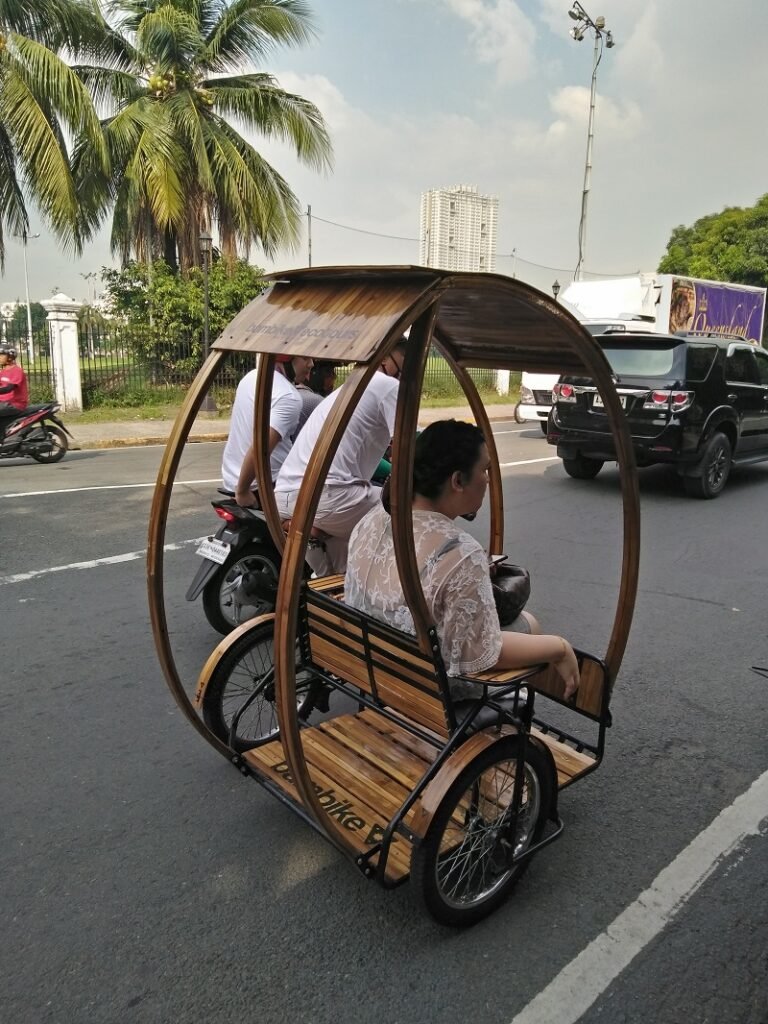
- Modern attractions in Intramuros today include the newly restored Puerta Real Gardens, the Light and Sound Museum, and the popular Bambike Ecotours.
- Must-visit museums in Intramuros include the Casa Manila Museum, the San Agustin Museum, and the newly opened Museo de Intramuros, all offering a glimpse into the rich history and culture of the area.
Architectural Marvels
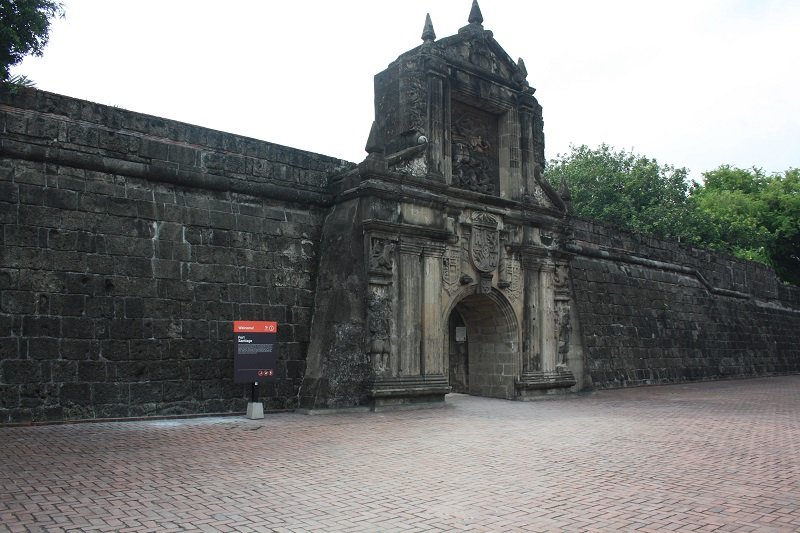
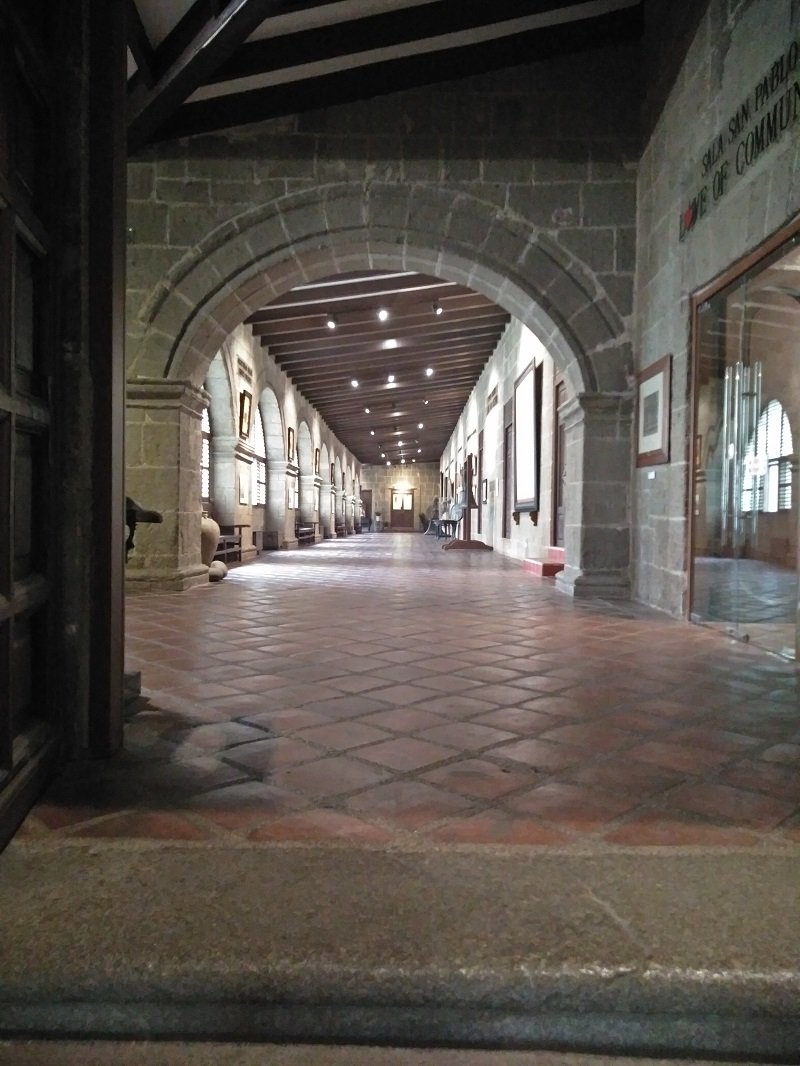
Walking through Intramuros, I am immediately struck by the architectural marvels that stand as testaments to its storied past. The intricate designs of the buildings reflect a blend of Spanish colonial influences and local craftsmanship. One cannot help but admire the imposing structure of Fort Santiago, which served as a military defence and later as a prison for national hero José Rizal.
The fort’s walls whisper tales of bravery and sacrifice, and as I stand on its grounds, I feel a deep connection to the history that unfolded here. Another architectural gem that captures my attention is the San Agustin Church, a UNESCO World Heritage Site. Its baroque façade and ornate interiors are nothing short of breathtaking.
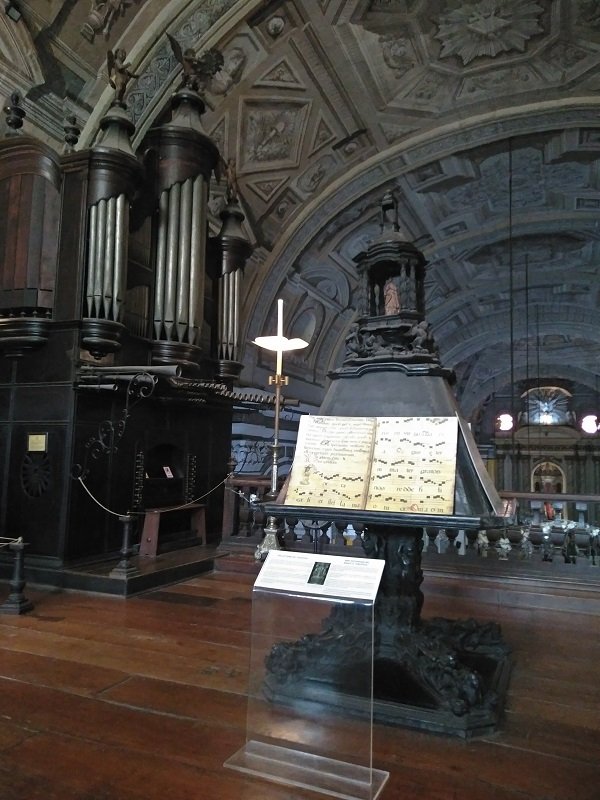
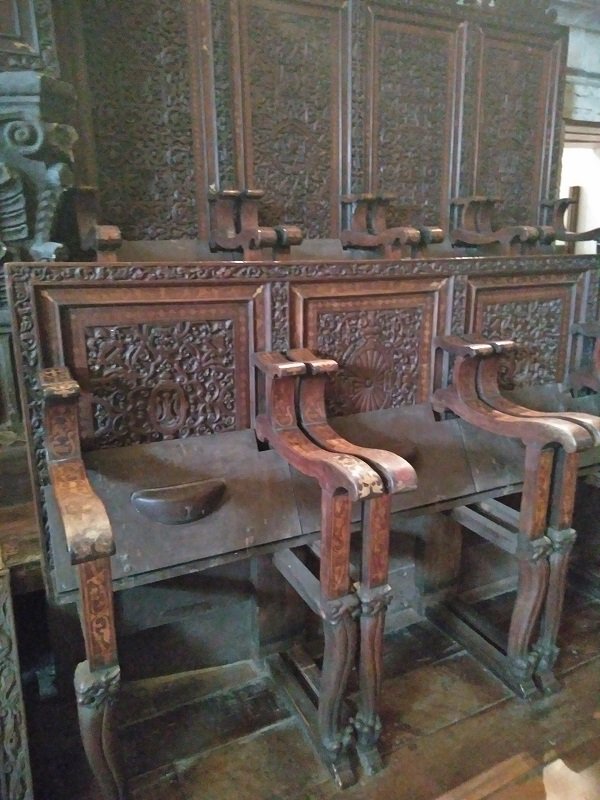
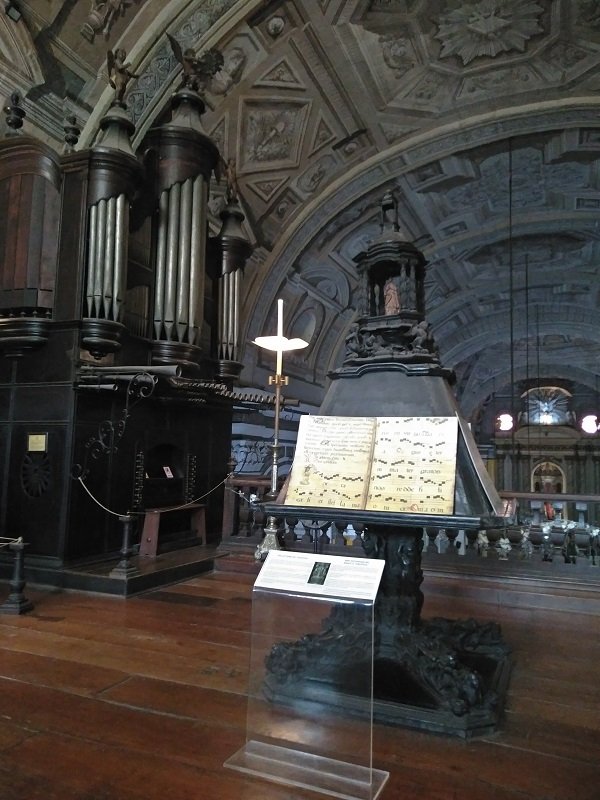
As I step inside, I am enveloped by an atmosphere of reverence and tranquillity. The church’s rich history is palpable; it has witnessed countless weddings, baptisms, and significant events throughout the centuries. The craftsmanship displayed in its wooden altars and intricate ceiling paintings leaves me in awe, reminding me of the dedication and artistry that went into creating such a magnificent structure.
Cultural and Historical Landmarks
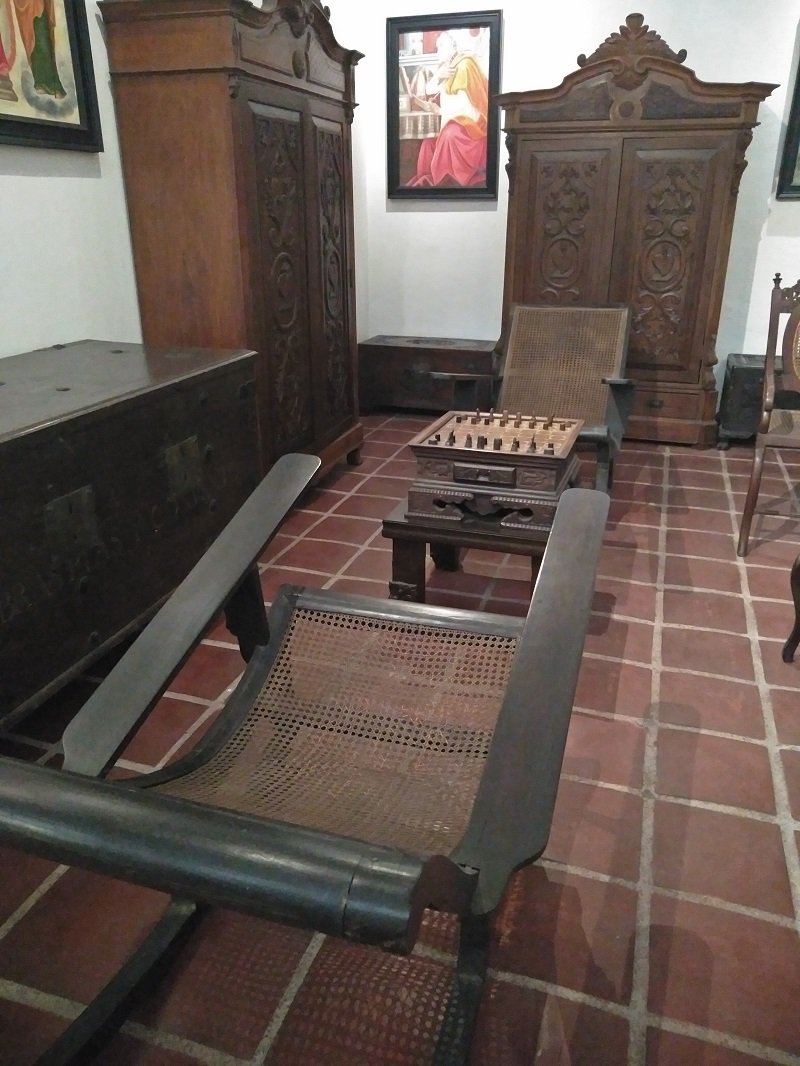
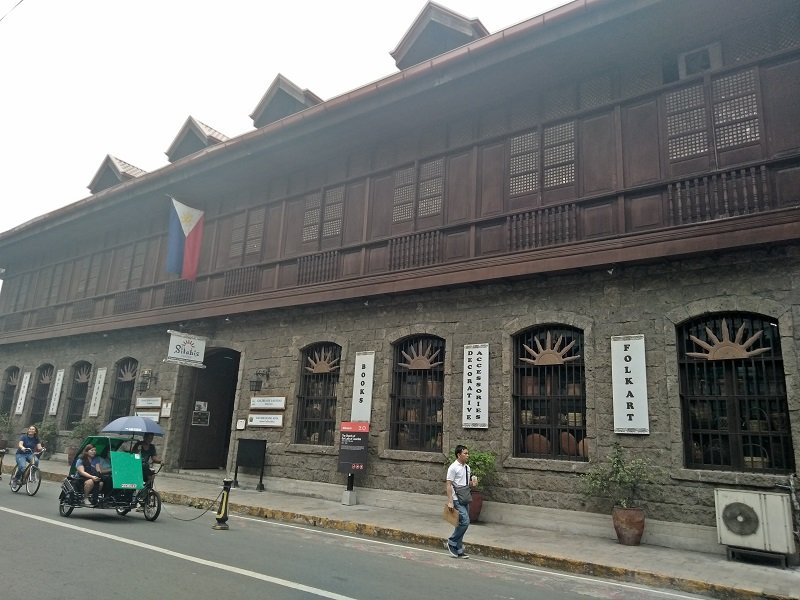
Intramuros is a treasure trove of cultural and historical landmarks that tell the story of the Philippines’ colonial past. As I wander through its cobblestone streets, I come across the Casa Manila Museum, a reconstructed Spanish colonial house that offers a glimpse into the lifestyle of affluent families during the 19th century. The museum’s exhibits showcase period furniture, clothing, and artifacts that transport me back in time.
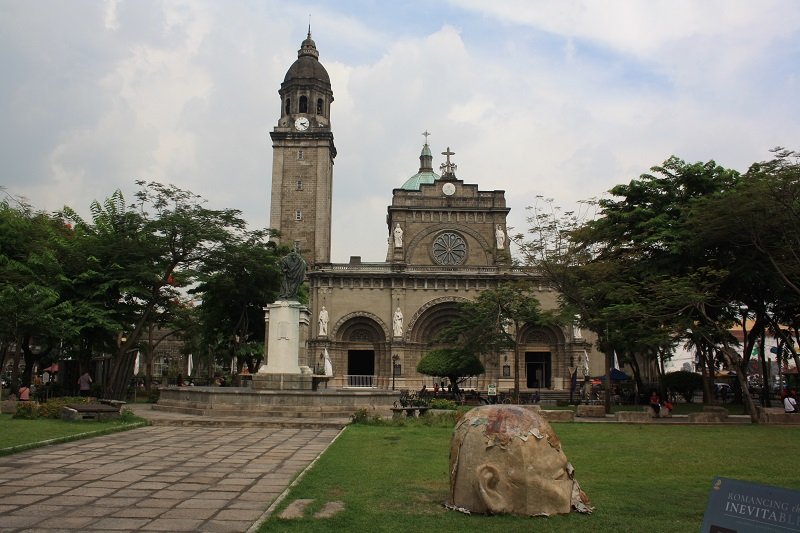
I can almost hear the laughter of children playing in the courtyard and imagine the lively gatherings that once took place within these walls. Another landmark that piques my interest is the Manila Cathedral, an architectural masterpiece that has stood the test of time. Its neo-Romanesque design and stunning stained glass windows create an atmosphere of grandeur and serenity.
As I sit on a pew, I reflect on the countless prayers that have been offered within these sacred walls over the years. The cathedral has been a witness to significant events in Philippine history, including the proclamation of independence from Spanish rule. Each landmark in Intramuros serves as a reminder of the resilience and spirit of the Filipino people.
Intramuros Today: Modern Attractions
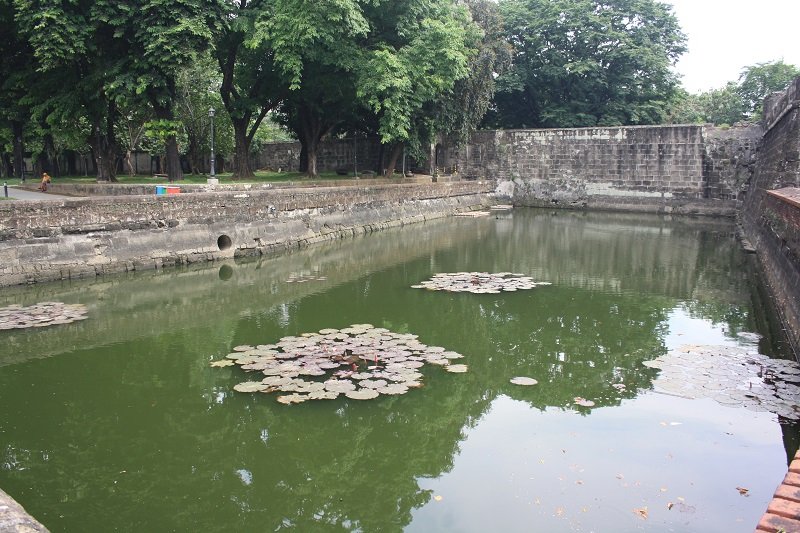
While Intramuros is steeped in history, it has also embraced modernity in a way that enhances its charm. Today, I find a delightful blend of old and new as contemporary attractions coexist alongside historical sites. One such attraction is the Baluarte de San Diego, a beautifully landscaped garden that offers a serene escape from the bustling city outside its walls.
As I stroll through the gardens, I am reminded of how nature can coexist harmoniously with history. Moreover, Intramuros has become a vibrant hub for art and culture. The district hosts various events and festivals throughout the year, showcasing local talent and creativity.
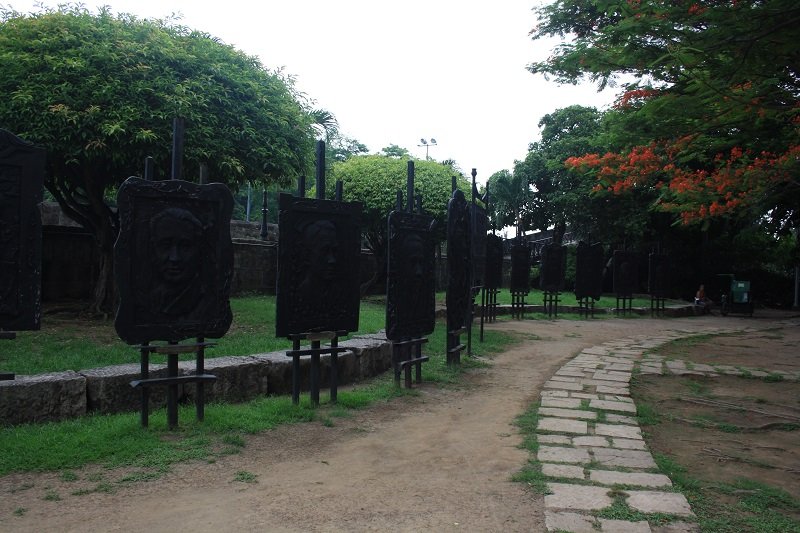
I am particularly drawn to the art installations that adorn some of its walls, breathing new life into this historic area. The juxtaposition of modern art against centuries-old architecture creates a unique visual experience that captivates both locals and tourists alike.
Must-Visit Museums
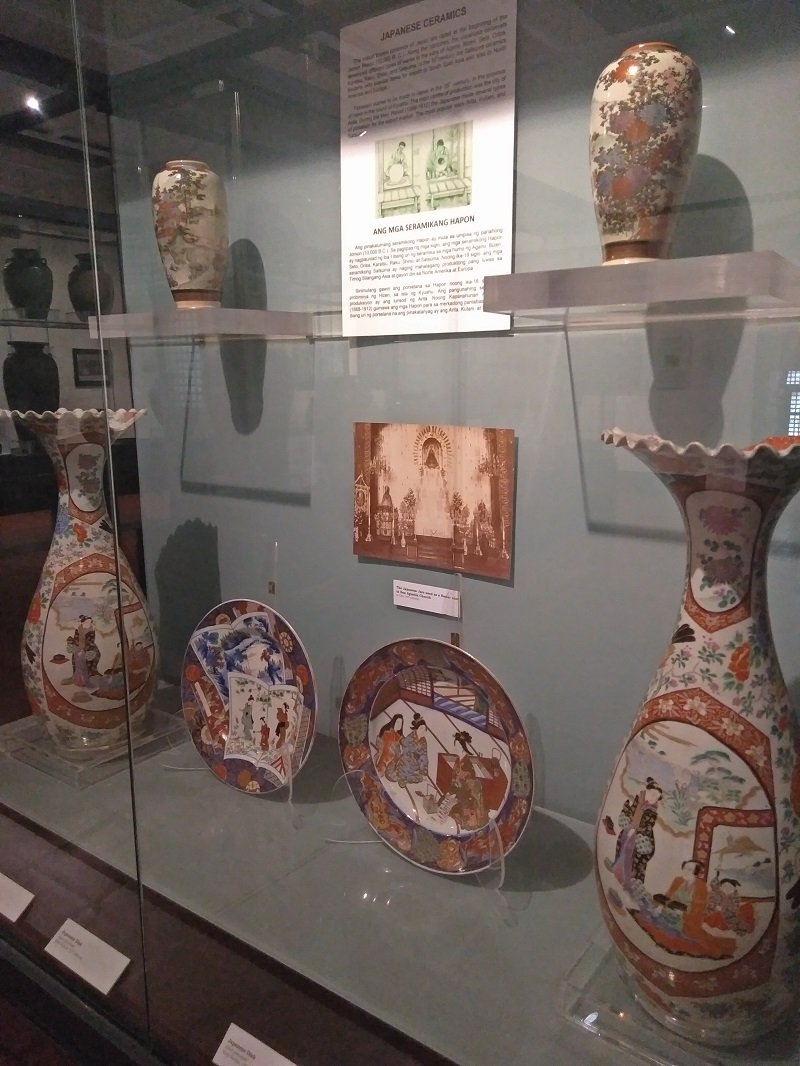
As an avid history enthusiast, I cannot resist exploring the museums that Intramuros has to offer. The San Agustin Museum is at the top of my list; it houses an impressive collection of religious artifacts and artworks that reflect the Philippines’ Catholic heritage. Each piece tells a story, from intricately carved statues to ancient manuscripts that provide insight into the country’s spiritual journey.
Another museum that piques my interest is the Fort Santiago Museum, which delves into the life and legacy of José Rizal. As I walk through its exhibits, I gain a deeper understanding of his contributions to Philippine independence and his enduring influence on Filipino identity. The museum’s interactive displays engage me in Rizal’s story, making history come alive in a way that resonates with my own sense of patriotism.
Culinary Delights in Intramuros
No visit to Intramuros would be complete without indulging in its culinary delights. As I explore the district’s dining scene, I am delighted by the array of options available. One must-try dish is the traditional Filipino adobo, which is often served with rice at local eateries.
The rich flavours and tender meat evoke a sense of comfort that reminds me of home-cooked meals shared with family. For those with a sweet tooth like mine, I cannot resist stopping by one of Intramuros’ charming cafés for a taste of halo-halo—a popular Filipino dessert made with crushed ice, sweet beans, fruits, and topped with leche flan. The vibrant colours and refreshing taste provide a perfect respite from the tropical heat as I savour each spoonful while soaking in the ambience around me.
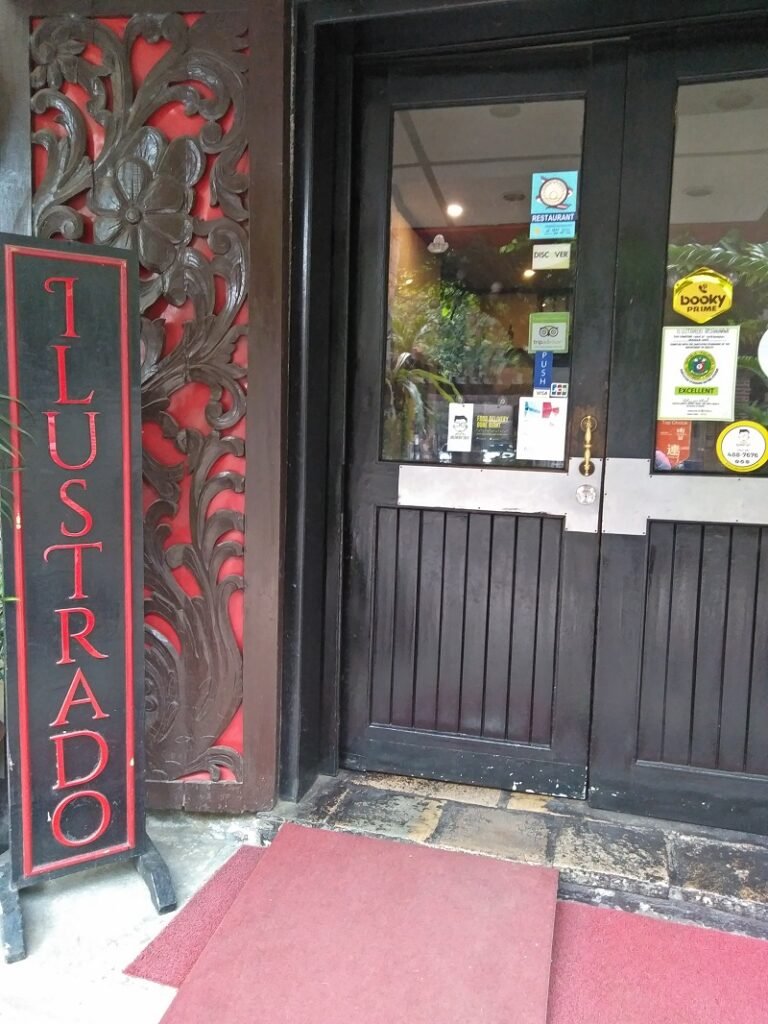
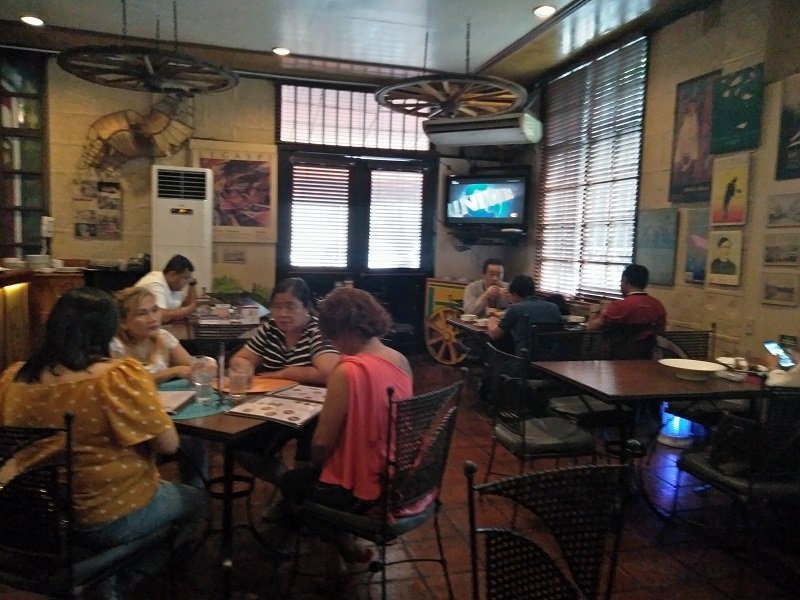
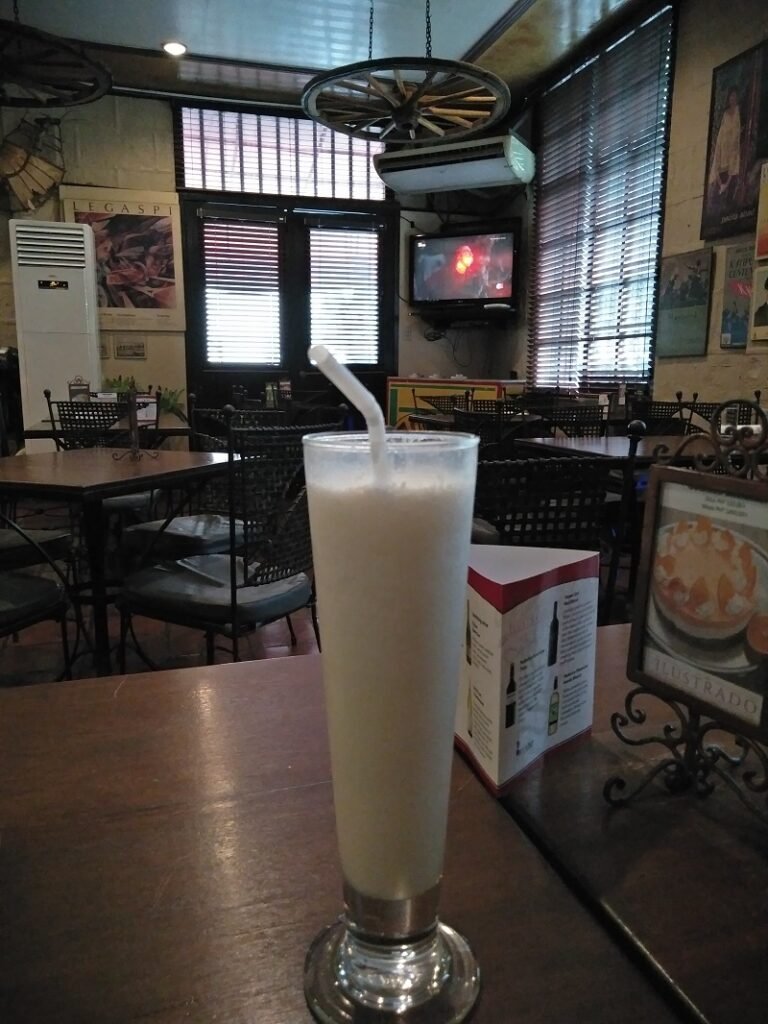
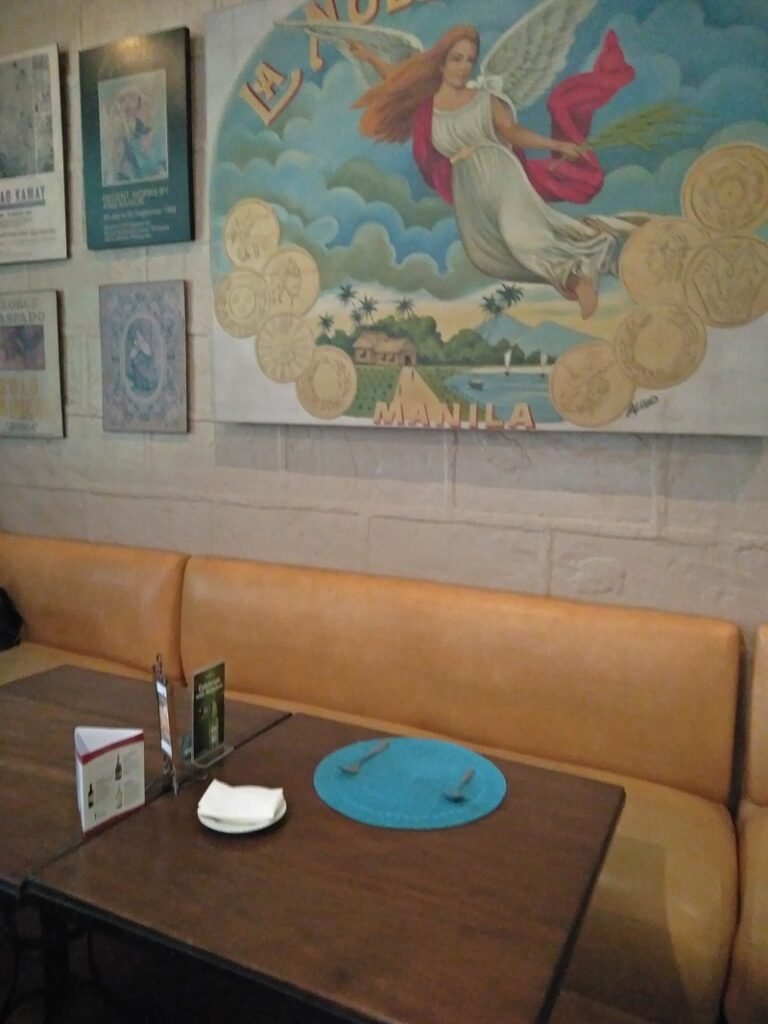
Illustrado Restaurant is an Italian joint located in Intramuros, which is ideal for a quick bite or a drink. The dinner section is an extension of the restaurant and offers a very rich decor for a formal dinner. I enjoyed a light meal with milkshake to regain my strength to explore the surrounding areas of Intramuros.


Exploring Intramuros: Guided Tours and Activities
To truly appreciate all that Intramuros has to offer, I decided to join a guided tour led by knowledgeable locals who share their insights into the district’s history and culture. Intramuros Bamboo Bike Tours are popular, offering quality tours to the walled city.
As we navigate through its narrow streets, our guide regales us with fascinating anecdotes about each landmark we visit. Their passion for Intramuros is infectious; I find myself hanging onto every word as they bring history to life.
In addition to guided tours, there are various activities available for those looking to immerse themselves further in this historic district. I take part in a traditional Filipino dance workshop where I learn about cultural expressions through movement. Engaging with locals who share their heritage adds depth to my experience and fosters a sense of connection to this vibrant community.
Cycle Richshaw Tour Guides
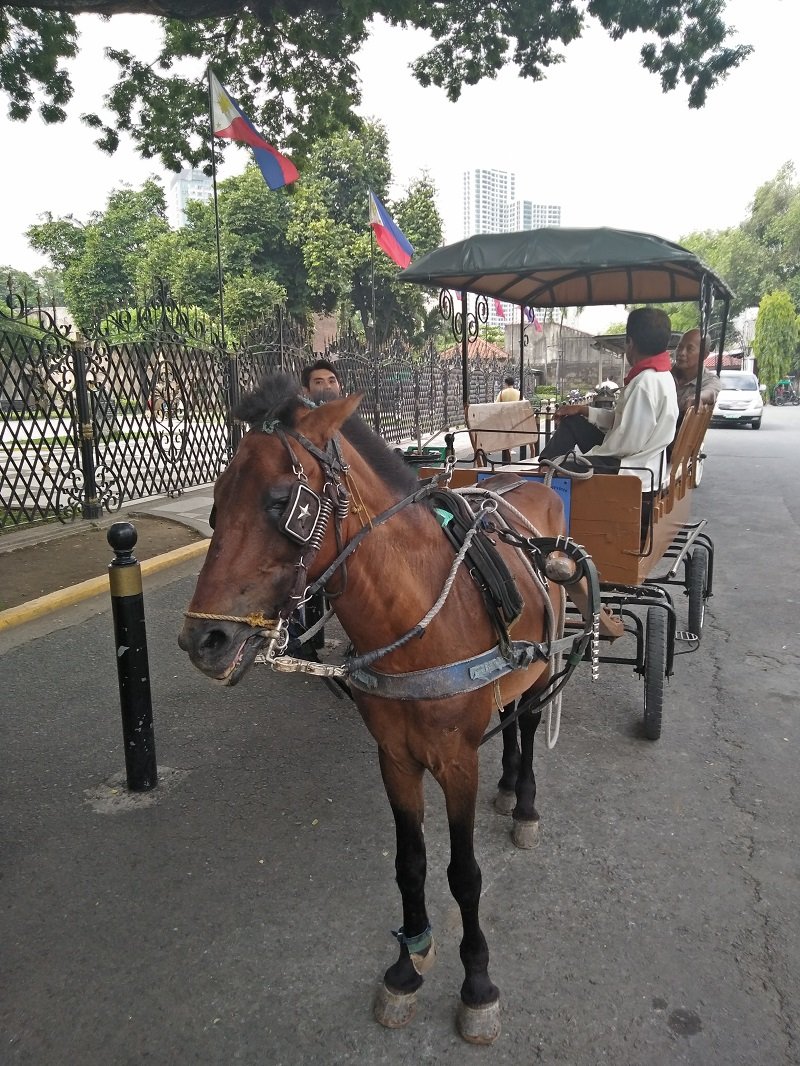
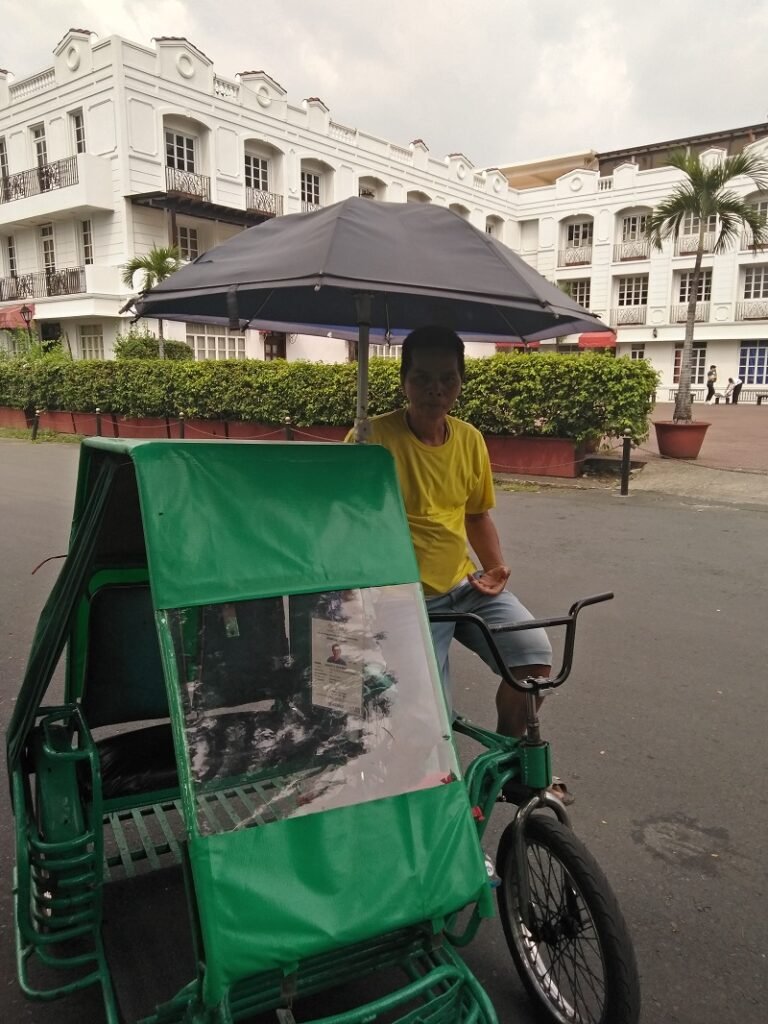
Intramuros is quite spread out. There are registered bicycles, and horse-drawn buggies are available for tourists to enjoy the various sections of the walled city. I suggest using this service as walking across to various sections in the heat is not a good idea. I booked a bicycle rickshaw for 3 hours and learnt some interesting information about the history of the walled city. I stopped at the St. Ausgustin Church for one hour to explore all the sections of this amazing building. On my way back, I was dropped off at the Illustrado Cafe, where I enjoyed a nice lunch and drinks.
Tips for a Memorable Visit
As my time in Intramuros comes to an end, I reflect on some tips that can enhance any visitor’s experience in this remarkable district. First and foremost, wearing comfortable shoes is essential; exploring cobblestone streets can be quite an adventure! Additionally, visiting early in the morning or late afternoon allows me to avoid crowds while enjoying cooler temperatures.
I also recommend taking advantage of local guides, who can provide valuable insights into the significance of each site. Their stories add layers to my understanding of Intramuros’ history that I might not have grasped otherwise. Lastly, don’t forget to bring a camera; every corner offers picturesque views waiting to be captured.
In conclusion, my journey through Intramuros has been nothing short of enlightening. From its historical roots to its architectural wonders and modern attractions, this district encapsulates the essence of Filipino culture and resilience. Each visit reveals new layers of history waiting to be uncovered, making it a destination worth returning to time and again.
FAQs
What is Intramuros?
Intramuros is a historic walled area within the city of Manila, Philippines. It was the centre of Spanish colonial power for over 300 years.
When was Intramuros built?
Intramuros was built in 1571 by the Spanish conquistador Miguel López de Legazpi.
What is the significance of Intramuros?
Intramuros is significant as it was the seat of government, education, and religion during the Spanish colonial period in the Philippines. It also played a major role in the country’s history and culture.
What are the main attractions in Intramuros?
Some of the main attractions in Intramuros include Fort Santiago, Manila Cathedral, San Agustin Church, and various museums and historical sites.
Is Intramuros open to the public?
Yes, Intramuros is open to the public and is a popular tourist destination in Manila.
Can visitors walk around the walls of Intramuros?
Yes, visitors can walk around the walls of Intramuros and enjoy the views of the historic area and the city of Manila.
- October 17, 2025
- Shawn Ali
- 9:49 am
